


3 Key Takeaways
- Tana, also known as “bird-won't-perch” or shizhuyu, belongs to the genus Zanthoxylum in the rue family—the same genus as Japanese sansho. Crush a young leaf, and it releases notes of lemon, lemongrass, and Sichuan pepper.
- Tana is delicious stuffed into fish bellies, simmered in chicken soup, mixed into omelets, or rubbed onto pork before grilling. It eliminates fishy odors and enhances flavor, adding a spicy, forest-like aroma to home-cooked dishes.
- To take the aroma home, look for tana powder and other dried products at Xiangxin Shenyuan in Luye, Huoquan Natural Ecological Farm in Dawu Township and Fountain Eco Farm on the outskirts of Taitung City.
It’s a tree even birds won’t land on—yet it’s one of the most beloved spices in Indigenous kitchens. Walk through an Indigenous community in Taitung, and you’ll often spot a small, thorn-covered tree by the front door or at the edge of the vegetable garden. When it’s time to cook, the owner simply turns around, plucks a few young leaves, and drops them into the pot. This is tana, the “Taiwanese sansho” that many people never forget after their first taste.
Why Is Tana Called “Birds Don’t Perch”?
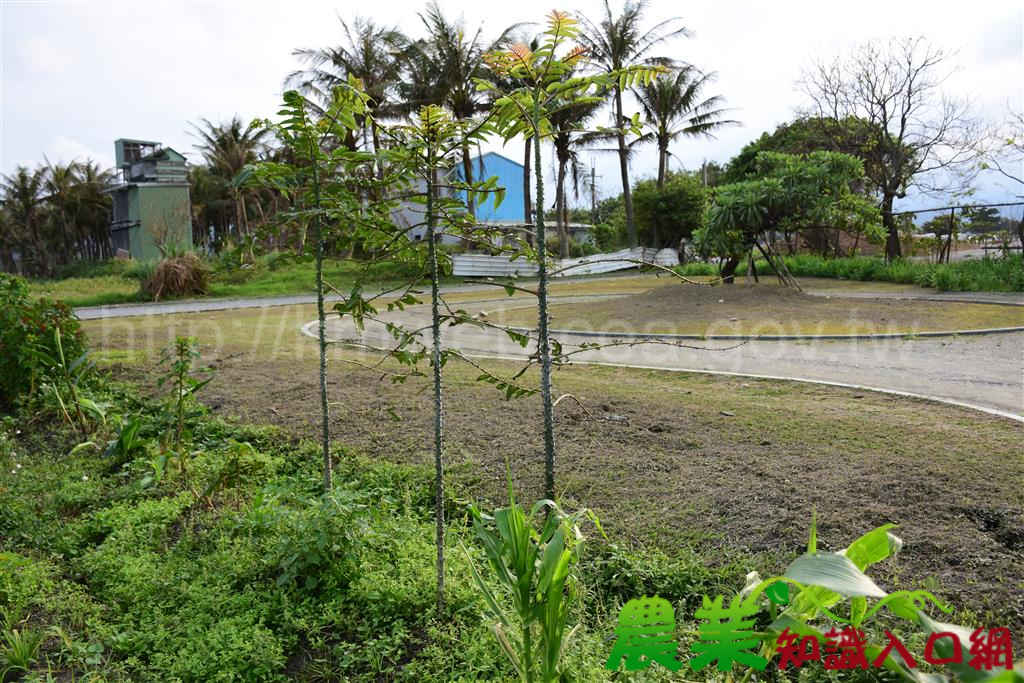
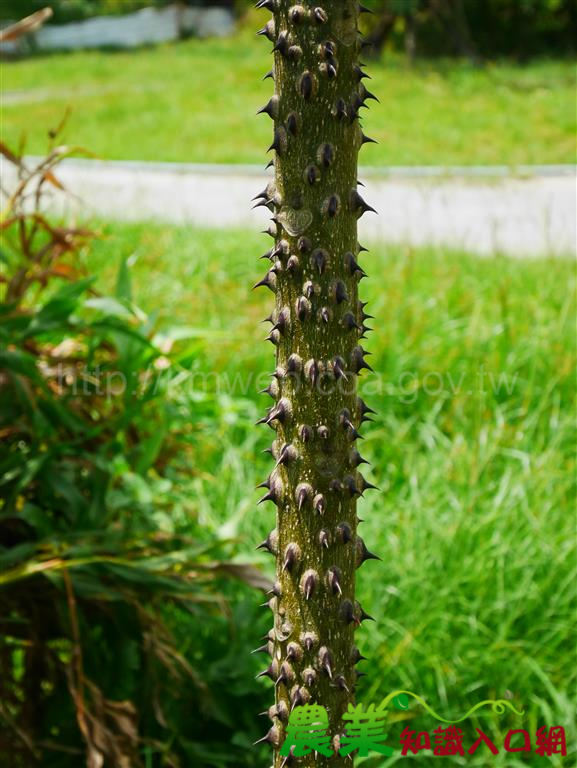
From its trunk and branches to its leaf stalks, tana is covered in sharp thorns—so many that even birds won’t settle on it, which earned it the nickname “birds don’t perch.” Indigenous families have long dug up seedlings in the mountains and replanted them in their gardens or beside the kitchen, which is why the tree is so common in Taitung’s communities.
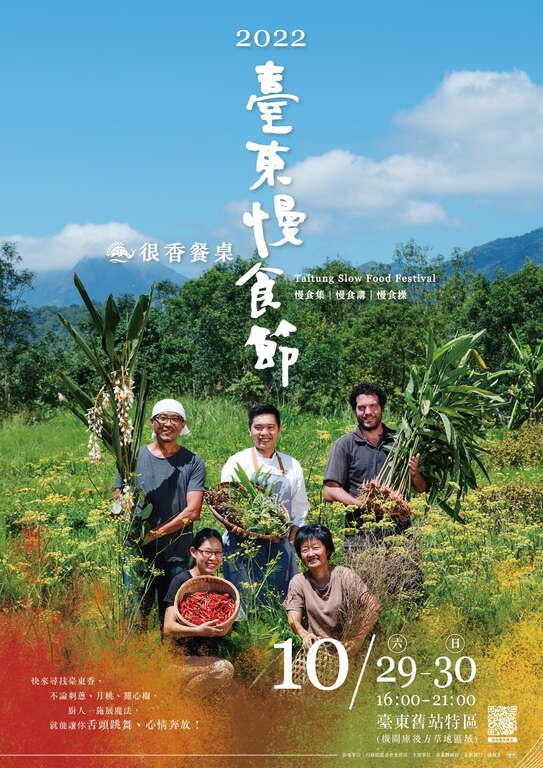
The Amis, Bunun, Puyuma and Rukai languages all call it tana, and Paiwan calls it tjanaq—a shared spice vocabulary across peoples. In Taitung Slow Food Guide: Fragrant Dinner Table, published in 2022, slow food communities from Taitung’s different peoples chose the county’s “Ten Fragrances,” and tana made the top three alongside shell ginger and heart-shaped chili.
What Does Tana Taste Like, and How Is It Different from Mountain Pepper?
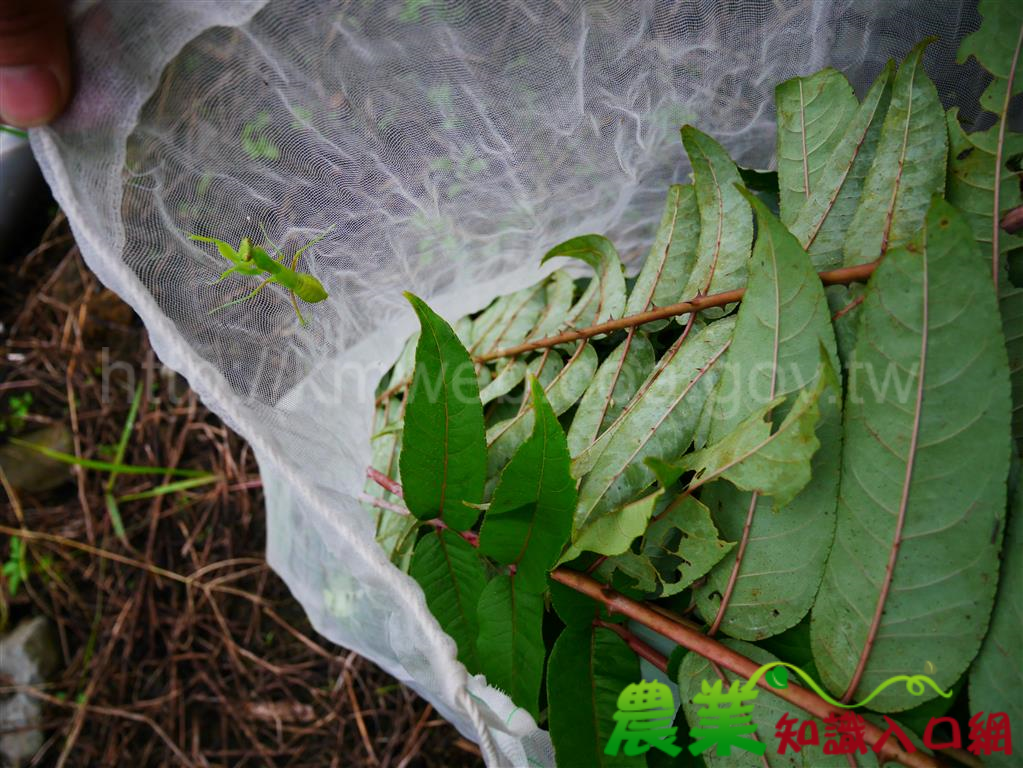
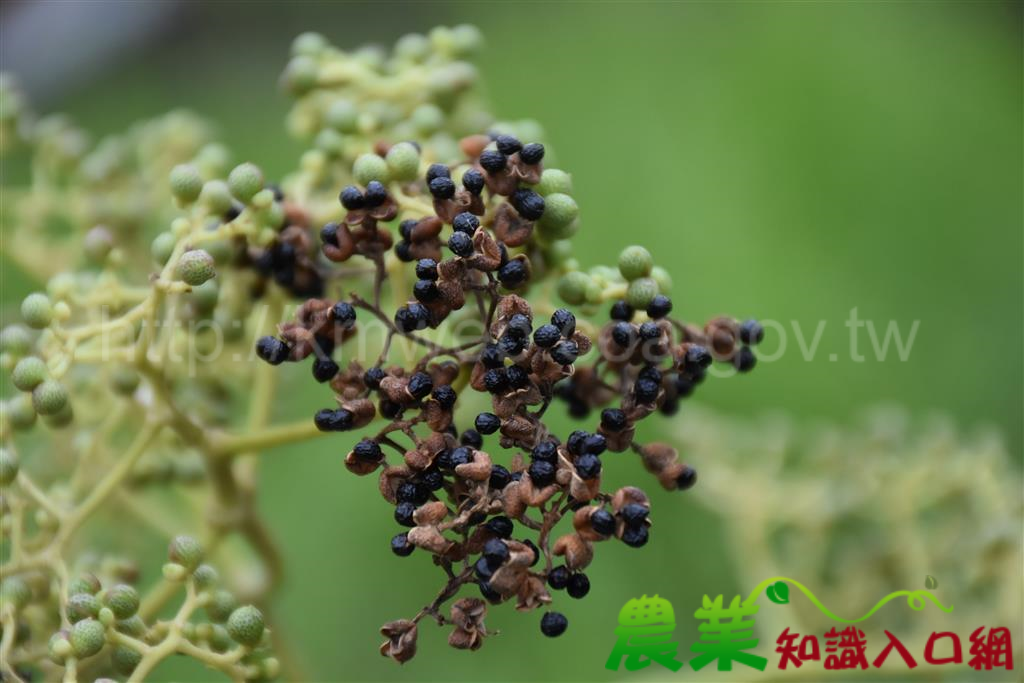
When the tender leaves of tana are gently rubbed, they release a scent reminiscent of lemon, lemongrass, and Sichuan pepper. The aroma comes from the white oil dots on the leaf surface, and leaves from young plants under a meter tall even carry a faint hint of coconut milk. Tana belongs to the genus Zanthoxylum in the rue family, the same genus as Japanese sansho; in Japanese, it is called karasuzansho. Tana trees are either male or female, and only the females bear fruit. The seeds ripen in October and November and, once sun-dried, can be used in place of Sichuan pepper. Compared with mountain pepper (maqaw), which bursts with aroma the moment you bite into it, tana is spicy without the numbing tingle, its warmth lingering on the finish.
How Do Indigenous Communities Use Tana in Cooking? 4 Classic Ways to enjoy it
Indigenous communities most often use tana to cook fish and meat, harnessing its aroma to eliminate fishy odors and enhance flavor, bringing out the natural sweetness of the ingredients:
- Stuffed into the fish’s belly: Tuck young tana leaves into the belly of a fish before cooking. In a fish soup, any fishy odor quickly dissipates.
- Simmered in chicken soup: Stew tana leaves with chicken for a broth with a wild, mountain-forest spice.
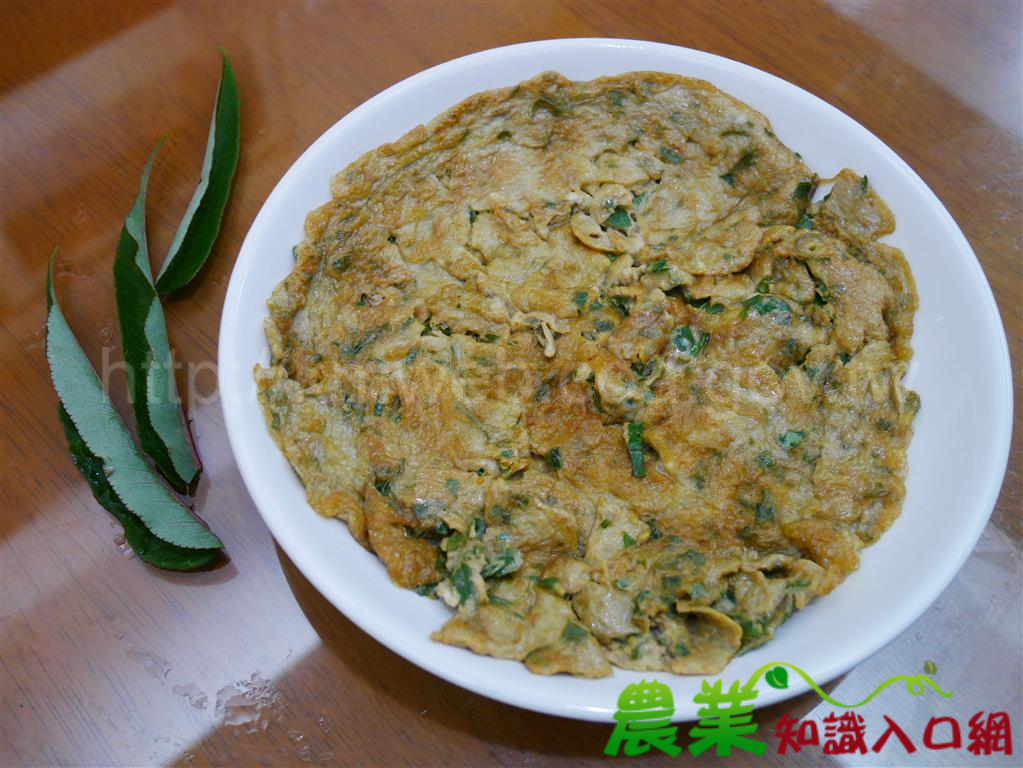
- Tana omelet: Chop the young leaves, mix them into beaten eggs and pan-fry—one of the most everyday dishes in Indigenous homes.
- Rubbed on grilled pork: Rub tana over pork before grilling, or lightly crush the dried seeds and sprinkle them on top.
How Else Can You Enjoy Tana? From Pesto to Pound Cake
In recent years, this doorstep spice has also found its way into chefs’ kitchens. Some blend tana into pesto or turn it into tana oil to drizzle over grilled fish; others toss the young shoots with minced garlic and olive oil and spoon it over steak, prizing its fresh, lemon-leaf-like fragrance. In October 2025, the county-run Taitung Slow Food Festival staged The Foraging Table: Mountain and Wilderness Edition at Zhiben National Forest Recreation Area. At the market, you could find a tana pound cake from 羽の驚食, a tana fresh cheese tart from GraceKitchen—and even someone sprinkling tana like aonori seaweed flakes over takoyaki made with snails. From Indigenous hearths to pastry counters, this mountain-forest aroma is reaching more and more tables.
Where to Taste and Buy Tana in Taitung
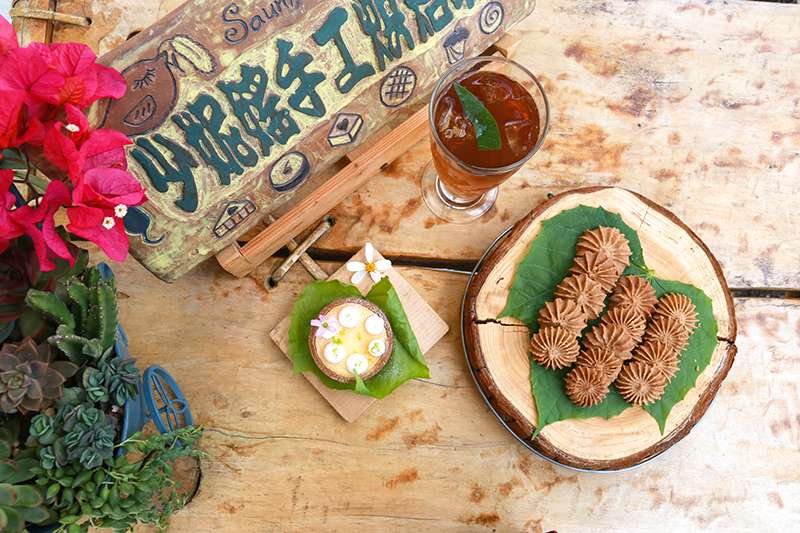
If you want to experience this aroma firsthand, take a trip along the South Link area. Halfway up the mountain in Liqiu Village, Jinfeng Township, Sauniyau Handmade Bakery turns Indigenous red quinoa and tana into kiln-baked treats; it is also a recommended stop on the South Link Sustainability Alliance’s one-day itinerary. To bring the aroma home, these three tana producers each have something special to offer:
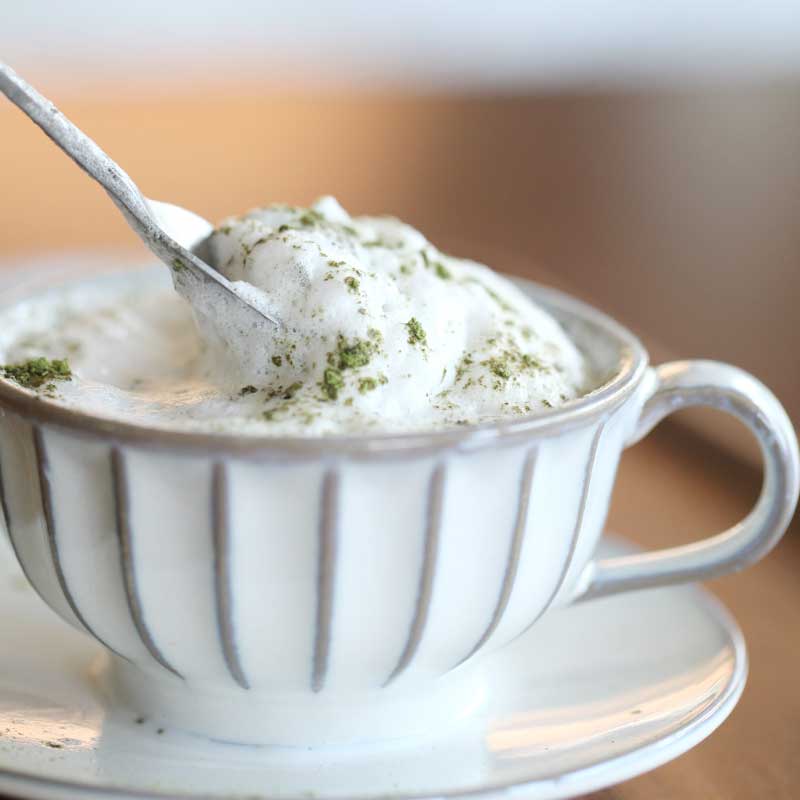
- Spice Chasm (Luye Township): Grows spices using eco-friendly farming methods and harvests only after an order comes in. Its low-temperature-dried tana powder is as green as matcha and delicious sprinkled on grilled meat or a hot milkshake.
- Fountain Eco Farm (Dawu Township): Turns tana into dried stems, powder, and tana salt—handy for brewing tea or seasoning an omelet.
- Fan Zhang Yuan Farm (outskirts of Taitung City): Sells tana powder and offers food-and-farming experiences on site.
Want to grow your own? Garden centers also sell whole tana plants. On your next trip to Taitung, take a little of this mountain-forest aroma home with you.
Visit and shop
Sauniyau Handmade Bakery
Kiln-baked treats made with Indigenous red quinoa and tana, in Liqiu Village, Jinfeng Township.
Address: No. 18-2, Liqiu Village, Jinfeng Township, Taitung County
Fan Zhang Yuan Farm
Sells tana powder and offers food-and-farming experiences on the outskirts of Taitung City. Check ahead before you visit.
Address: No. 57, Lane 200, Lane 2, Section 4, Qinghai Road, Taitung City
Spice Chasm
Grows spices in Luye Township with eco-friendly farming and harvests only after an order comes in. Its tana powder is sold through News&Market.
FAQ
What is the difference between tana and Sichuan pepper?
Tana, Sichuan pepper and Japanese sansho all belong to the genus Zanthoxylum in the rue family. Tana’s aroma recalls lemon, lemongrass, and Sichuan pepper, and it is spicy without the numbing tingle. Its sun-dried seeds can be used in place of Sichuan pepper.
How can I cook with tana?
Indigenous cooks often stuff it into fish, simmer it in chicken soup, add it to omelets or rub it on pork before grilling. In recent years, it has also been made into pesto, tana oil, and desserts.
Where can I buy tana powder in Taitung?
Spice Chasm in Luye Township, Fountain Eco Farm in Dawu Township, and Fan Zhang Yuan Farm on the outskirts of Taitung City all sell tana powder and other dried products.