


Taitung City is the political and cultural center of Taitung County. Formerly known as “Baosang Village,” it is the largest county-administered city in Taiwan by area. With its long, narrow shape and flat terrain, the city sits atop a landscape formed by the alluvial fans of four major rivers—broad, fan-shaped deposits of sediment created over time where rivers slow down as they flow from the mountains onto flatter plains.
Surrounded by scenic mountains and ocean, and featuring expansive green spaces, Taitung City is ideal for walking or cycling at a relaxed pace. The city’s highest point, Liyu Mountain, offers a panoramic view of the entire area. A former railway used for transporting agricultural goods has been transformed into a green corridor filled with historical memory and cultural energy. It connects Tiehua Music Village, the Taitung Sugar Factory Cultural and Creative Park, and various art spaces, showcasing Taitung’s unique blend of artistic atmosphere and leisurely rhythm. The city welcomes visitors from around the world with its simplicity, openness, and cultural warmth.
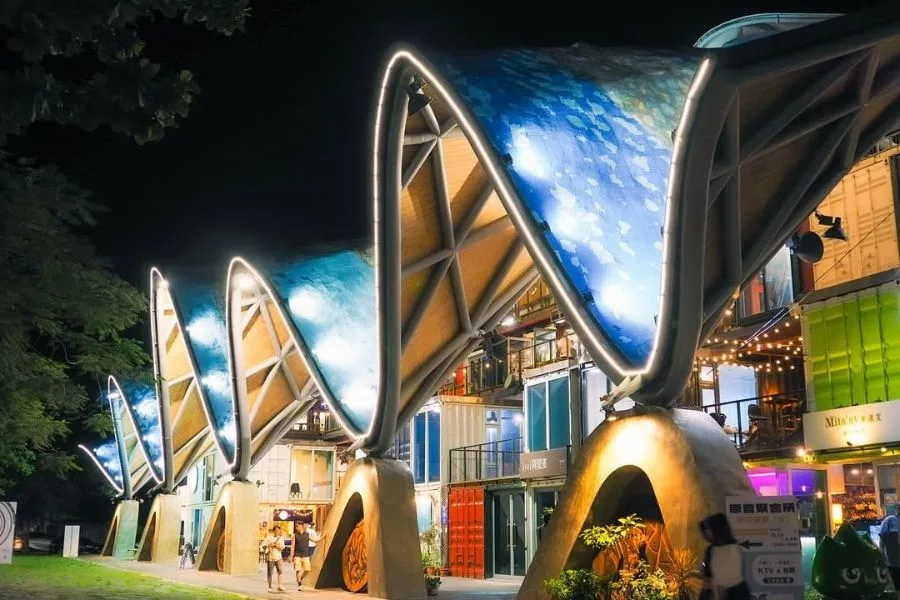
(Photo credit: @cory9265)
A Microcosm of Diverse Cultures Hidden in Historical Alleys
Emerging from the Beinan Plain, the area once known as Baosang was the origin of today’s Taitung City — a meeting point of peoples and a stage for the city’s evolving history. As the administrative and cultural center of the county, Taitung City connects mountain and sea, carrying with it layers of memory and culture.
From the land development of the Qing dynasty to the urban reforms during the Japanese era, Taitung gradually took shape into the city we see today. The Japanese established shrines, city offices, and schools at the foot of Liyu Mountain, forming the foundation of modern urban life. The former Tingqian Street has since become today’s Datong Road, yet traces of its history remain along the thoroughfare.
(Photo credit: @chiouyuanfu)
(Photo credit: @escaper.arch)
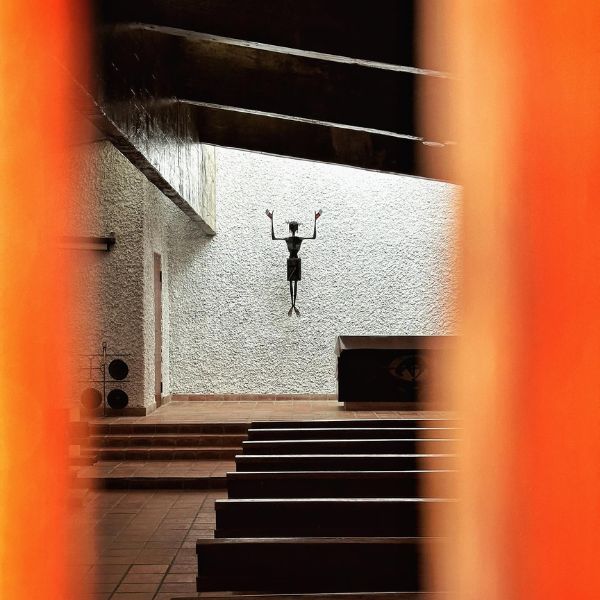
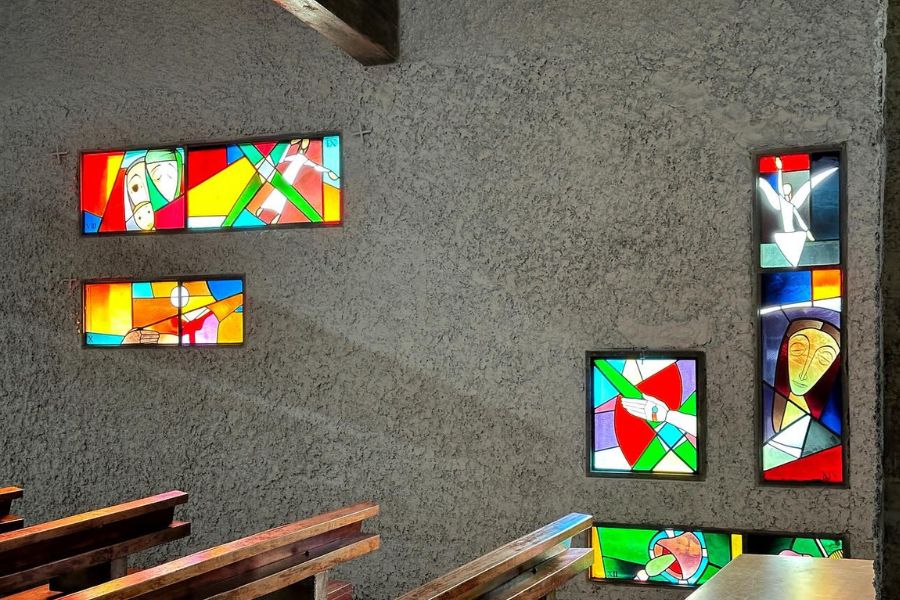
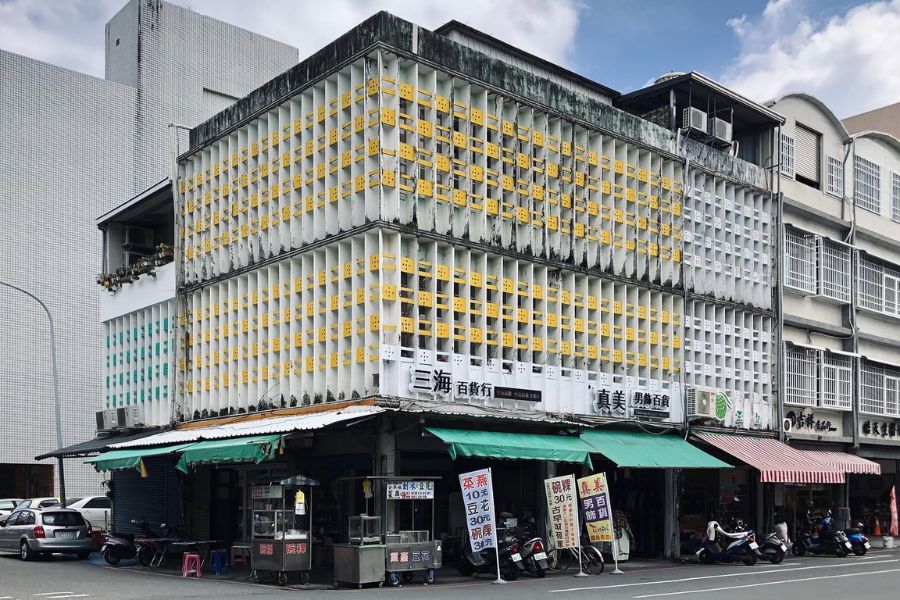
Religion and modern thought have also left a lasting mark on the city’s character. Missionaries of the Bethlehem Mission Society introduced modernist architecture, most notably Saint Joseph’s Chapel, designed by a Swiss architect. Meanwhile, Lu A-Yu’s Sanhai Department Store stands as another architectural icon, representing Taiwan’s early modern aesthetics.
(Photo credit: @chiouyuanfu)
Walking through Taitung City today, one can still feel the harmony of history and culture woven through its streets — a quiet yet vibrant reflection of this small but richly layered city.
