


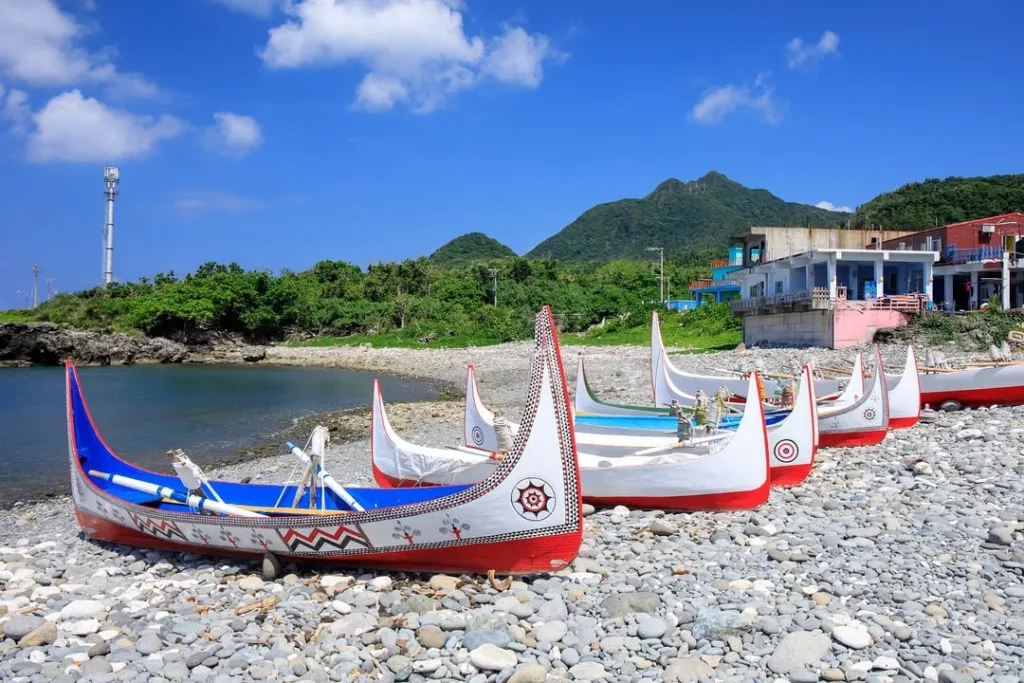
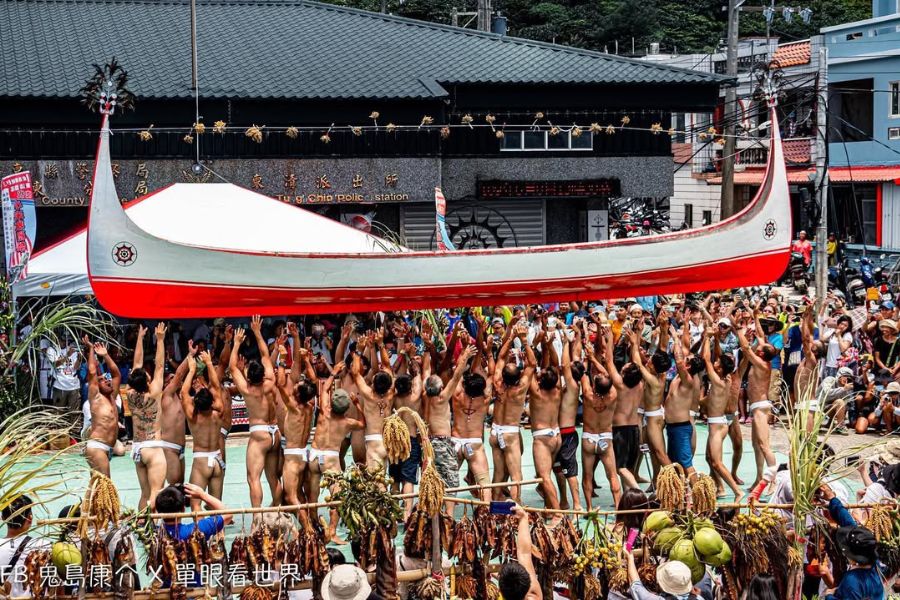
Lanyu Township lies off the southeastern coast of Taitung County and includes Lanyu (Orchid Island), Xiaolanyu, and several surrounding islets. It is Taiwan’s only offshore Indigenous township. The island is primarily inhabited by the Tao (Yami) people, who maintain unique oceanic traditions and distinctive architecture. Each spring and summer, the Flying Fish Festival becomes a major celebration reflecting the Tao’s deep connection with nature. The island has six distinct villages and natural landmarks like Dragon Head Rock, Mantou Rock, and Dongqing Bay, as well as cultural sites like the Lanyu Museum—inviting visitors to explore its natural and cultural beauty.
(Photo credit: @weichang_wu)
An Island Order Rooted in Myth
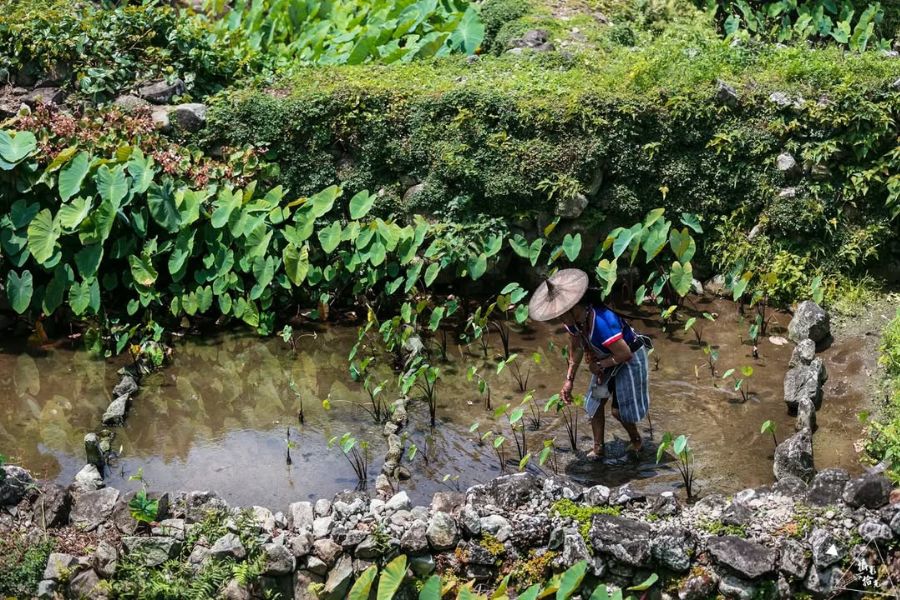
In Lanyu, the legends run deeper than stories — they are the island’s living moral code. In ancient times, it is said that deities created the first humans on Lanyu from bamboo and limestone, and the sacred order they established required generation after generation of lived refinement before becoming the foundation for the Tao people’s survival. These stories do more than represent the past. They shape the present, embedding invisible moral codes into daily island life. Trees in the forest should not be felled without purpose; taro fields should be tended with care. Through such practices, a subtle balance between people and nature is maintained, allowing cultural knowledge to be passed down across generations.
(Photo credit: @tommot8785)
(Photo credit: @zelda60233)
Known to the Tao people as Ponso No Tao — the Island of Human Beings — Lanyu is a living environment shaped by mountains, streams, and forests that provide materials for building homes and boats, while irrigated taro fields sustain the rhythm of daily life. Ritual ceremonies and seasonal festivals reveal that this island is far more than a geographic location. It is a living cultural memory. The Tao people’s historical ties to the Batanes Islands in the Philippines speak to a deep Austronesian heritage — one that encompasses shared languages, seafaring knowledge, and a profound connection to the ocean. This is a place where myth and daily life are inseparable, and where the landscape itself becomes a way of experiencing the world.
