


Situated on the eastern slopes of the Central Mountain Range, Jinfeng Township is known for its vibrant Indigenous heritage and rich tribal cultures. The Paiwan and Rukai peoples revere the hundred-pace viper as a guardian spirit, giving Jinfeng the nickname “Land of the Hundred-Pacer.” Every November, the blooming roselle becomes the township’s most iconic crop, celebrated through seasonal markets and traditional cultural events. Visitors can enjoy roselle preserves and tea while experiencing the local way of life. The township also features fine Indigenous crafts and pottery, representing generations of artistry and cultural pride, making Jinfeng a mountain community where nature and tradition flourish together.

(Photo Credit: @bkklkkya)
Flowing Memories Within the Valley
The cultural tapestry of Jinfeng is woven from the migration histories of tribal villages such as Jialan, Rulakes Tribe, Binmao, Xinxing, and Zhengxing. In earlier times, some residents lived in more remote mountain areas such as Bilu, Jinhuang, and Jieda. Over time, as living conditions and social environments changed, they gradually relocated to the settlements seen today. This movement from the high mountains to present day locations reflects not only a shift in living geography, but also how a predominantly Paiwan community, together with Rukai and other Indigenous groups, rebuilt social structures and daily rhythms across different periods.
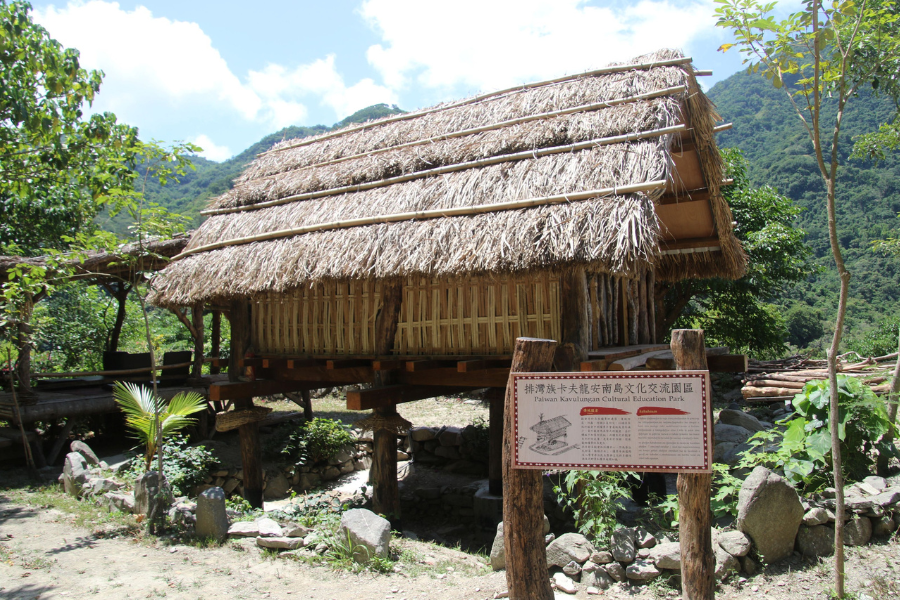
(Photo credit: Taitung County Government)
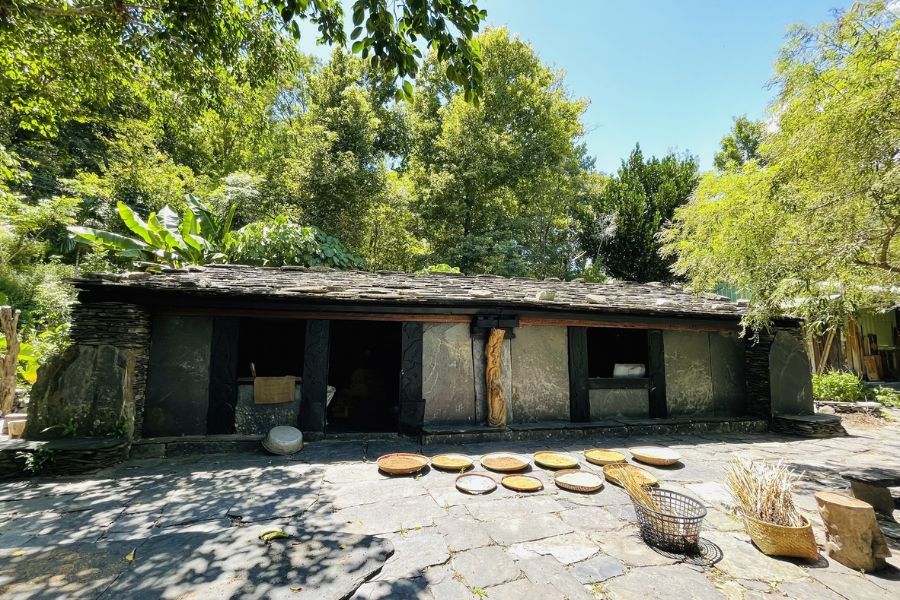
(Photo credit: Taitung County Government)
Stretching along the eastern foothills of Mount Dawu, Jinfeng preserves a deep connection to its pristine forests. The wild hot springs found around Jinhuang, Bilu, and the wider Jinfeng area were once familiar natural landscapes, reflecting a way of life intertwined with mountain valleys and alpine springs. Near Rulakes Tribe, ancient Bishop Wood trees and banyan groves still stand like silent guardians, witnessing the enduring bond between the community and nature. In Jinfeng, culture is not limited to rituals or craftsmanship. It is also embedded in the history of relocation, ancestral place names, and the ways in which generations have lived in harmony with the land.
Red and Gold Across the Mountain Fields
When it comes to the local produce of Jinfeng Township, roselle, millet, and Taiwan red quinoa are among the most distinctive colors found across the fields. Mature roselle has bright red, plump calyces. After harvesting, the seeds are removed before the roselle is washed and processed, preserving its vivid tart aroma and flavor. In addition to common processing methods, roselle can also be made into products such as jam and vinegar drinks, making it one of Jinfeng’s important local crops.
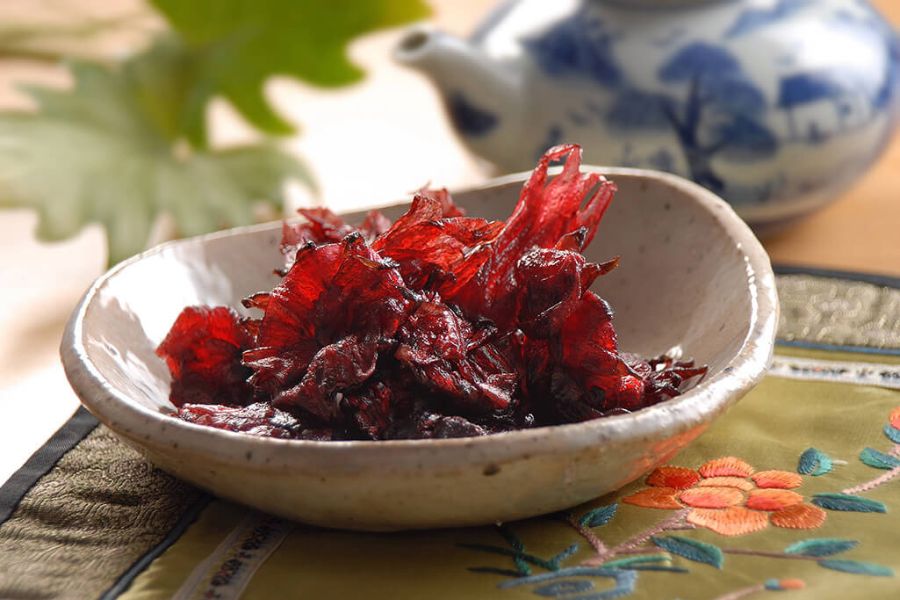
(Photo credit: Jia Shing Food)
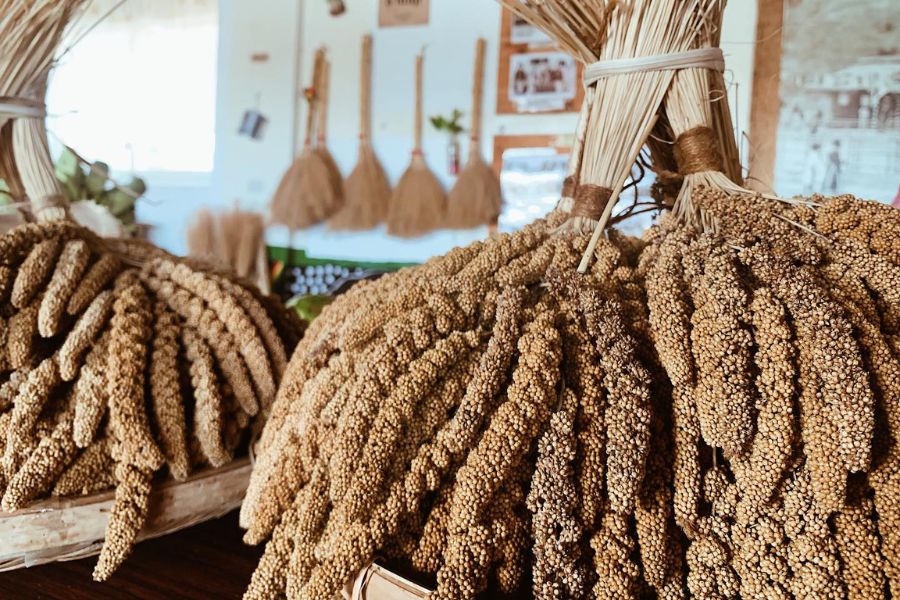
(Photo credit: @ulivelivek)
Millet and Taiwan red quinoa bring another layer of golden yellow and deep red to the mountain landscape. Millet has small grains with a natural cereal aroma and can be cooked as millet rice or porridge, or processed into a variety of food products. Taiwan red quinoa is known for its small, brightly colored grains and distinctive texture, and is often paired with rice, used in baking, or added to various dishes. Through different cooking and processing methods, these crops harvested from the land create the distinctive and diverse local flavors of Jinfeng Township.
