


Formerly known as “Fire Island,” Green Island is an island of volcanic rock about 33 km offshore from Taitung City on Taiwan’s main island. Erosion and weathering have endowed Green Island with stunning natural features including sea cliffs, coral reefs, and white sandy beaches. It is also home to a rare undersea hot spring. The island’s combination of land and sea offerings, from grasslands and rare botanicals to coral reefs and its wondrous undersea landscape, have established it as an eastern Taiwan marine paradise.
Green Island development into an island destination for water sports and eco-tourism has been further aided through upgrades to tourism facilities and infrastructure. Infrastructure projects have included the Island Ring Road, airport, and fishing port, all of which have combined to make island more convenient and comfortable for visiting explorers.

(Photo Credit: @salt.wang )
Memories and Migrations on an Island of Time
Walking through Green Island, beyond the vivid blues of the sea and lush greens of the land, one can sense the quiet flow of time. As early as the early 19th century, fishermen from Xiaoliuqiu were blown ashore by strong sea winds and arrived here by chance. They built shared dwellings at the foot of the hills and began fishing and farming, gradually forming the island’s earliest settlements. Later, migrants from Donggang and other areas followed, clearing land and logging timber. As Han communities expanded, the foundations of island life were steadily established.

(Photo credit: @yoyo83818)

(Photo credit: @eamon_mo)

(Photo credit: @yoyo83818)
During the post-war period, Green Island entered a phase of infrastructure development. Fishing ports, an airport, and island’s ring road were successively completed, bringing greater convenience to residents and opening opportunities for tourism. However, limited natural resources and job opportunities led many families to relocate to Taitung or Hualien in search of more stable livelihoods.
Although population movement has reshaped the island’s demographic landscape, traces of history remain deeply preserved. Old settlements, the Gongguan Site, and the oral accounts of local elders all tell stories of perseverance and gentleness. Green Island is not only a place of beautiful scenery, but also a cultural island that gathers memories of the past while reaching toward the future.
The Flavors of the Island, Simmered by the Sea and Time
Surrounded by the ocean on all sides, Green Island’s local products are deeply connected to the sea. Among them, nothing reflects the island’s way of life better than Green Island salt, a craft passed down by island families for generations. In the days before refrigeration and convenient transportation, islanders would gather naturally crystallized “salt flowers” from the crevices of coral reef rocks during the hot summer months, then boil them over firewood to store a whole year’s supply of household salt. Today, local salt makers such as Green Island Sea Salt Shop and Green Island Deep Coral Sea Salt Shop carry on this craft, drawing seawater naturally filtered through coral reefs and boiling it slowly by hand. The process first produces brine, which is then stirred until it crystallizes into salt. The brine can also be used in cooking, such as setting tofu or making a sour cabbage hot pot, allowing a pinch of salt to carry the island’s culinary memories.
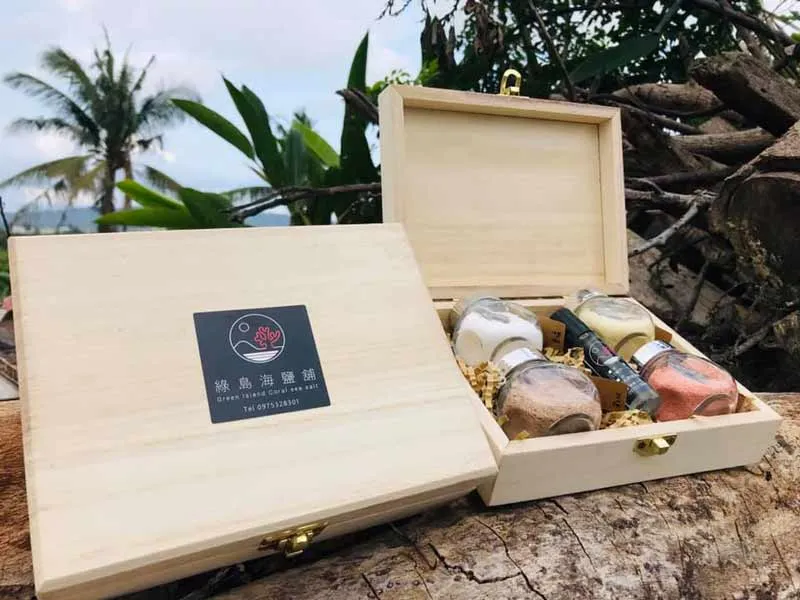
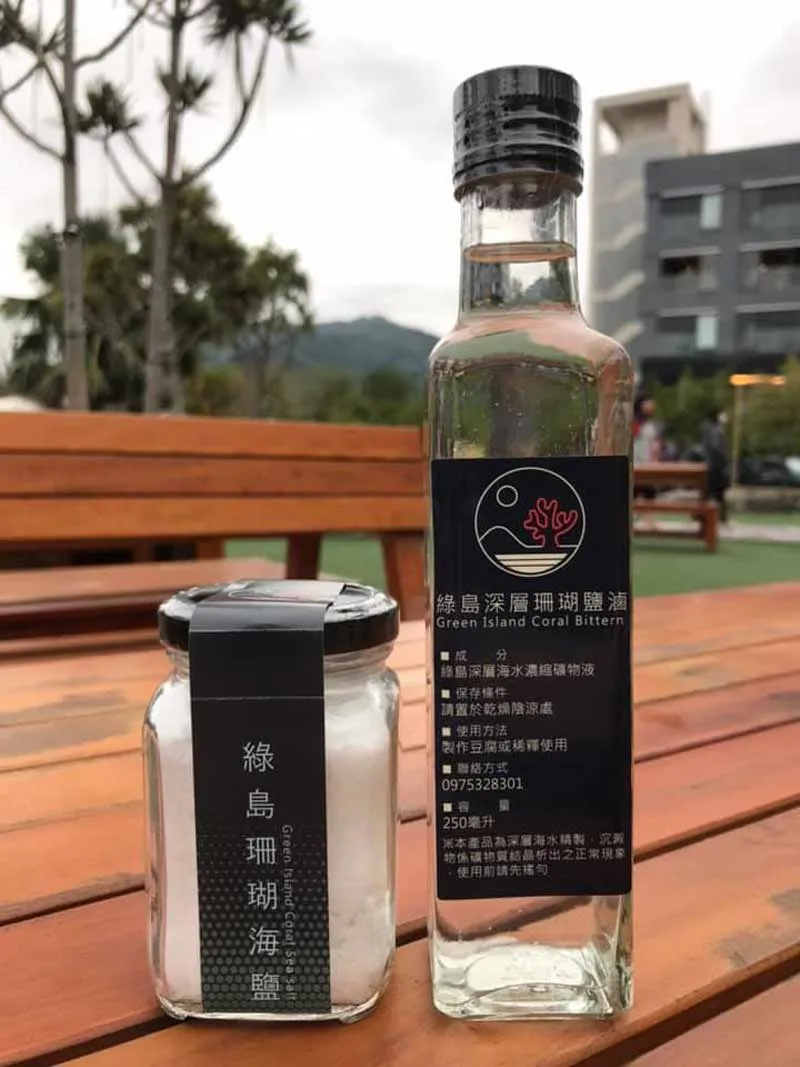
(Photo credit: Smile Taiwan)
Besides salt, Green Island’s waters yield another signature product: seaweed. Local seaweed is made into snacks such as seaweed mochi, seaweed egg rolls, and crispy seaweed crisps, carrying a light aroma of the sea and making them popular souvenirs among travelers. Flying fish is another familiar ocean flavor on the island, turned into treats such as flying fish crackers and flying fish egg rolls. These products depend largely on the rhythms of the weather and the sea, which makes every flavor all the more precious. When visiting Green Island, beyond snorkeling and soaking in hot springs, why not take some local sea salt or seaweed snacks home with you to preserve the island’s salty, briny scent and the sea breeze in your memories?
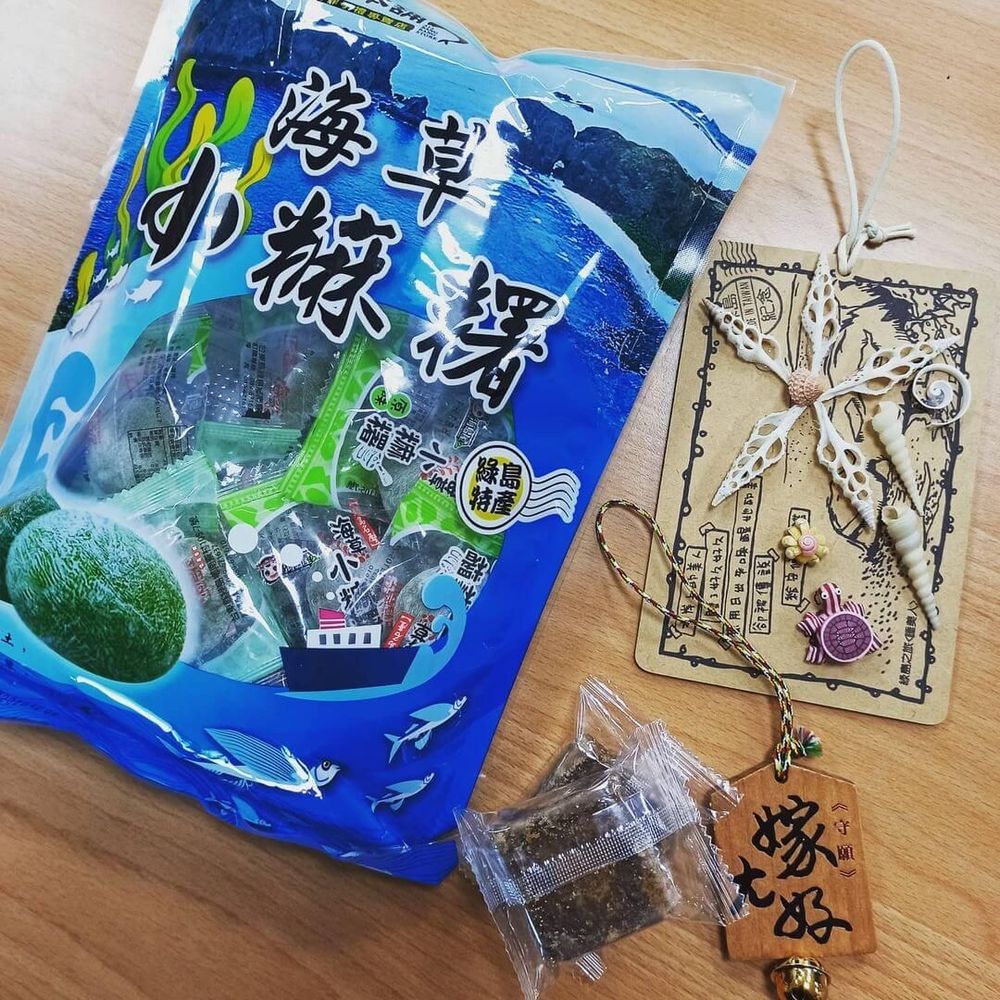
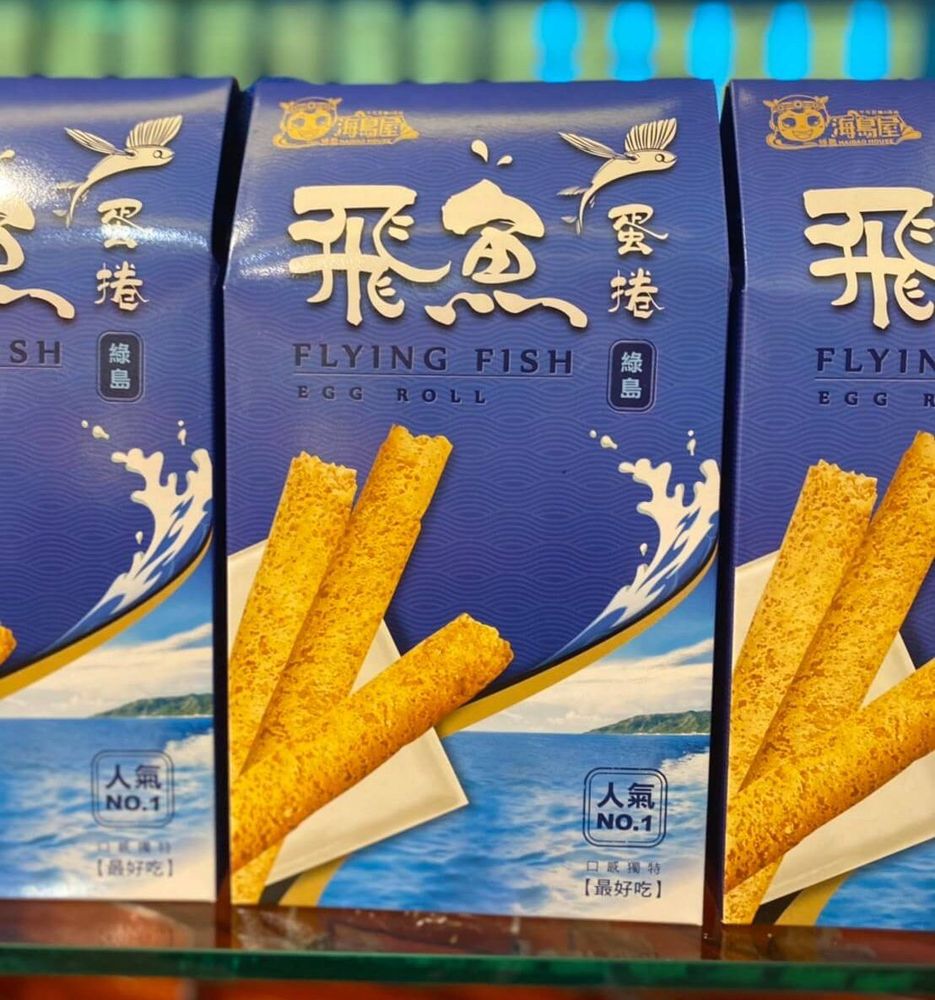
(Photo credit: FunTime)