


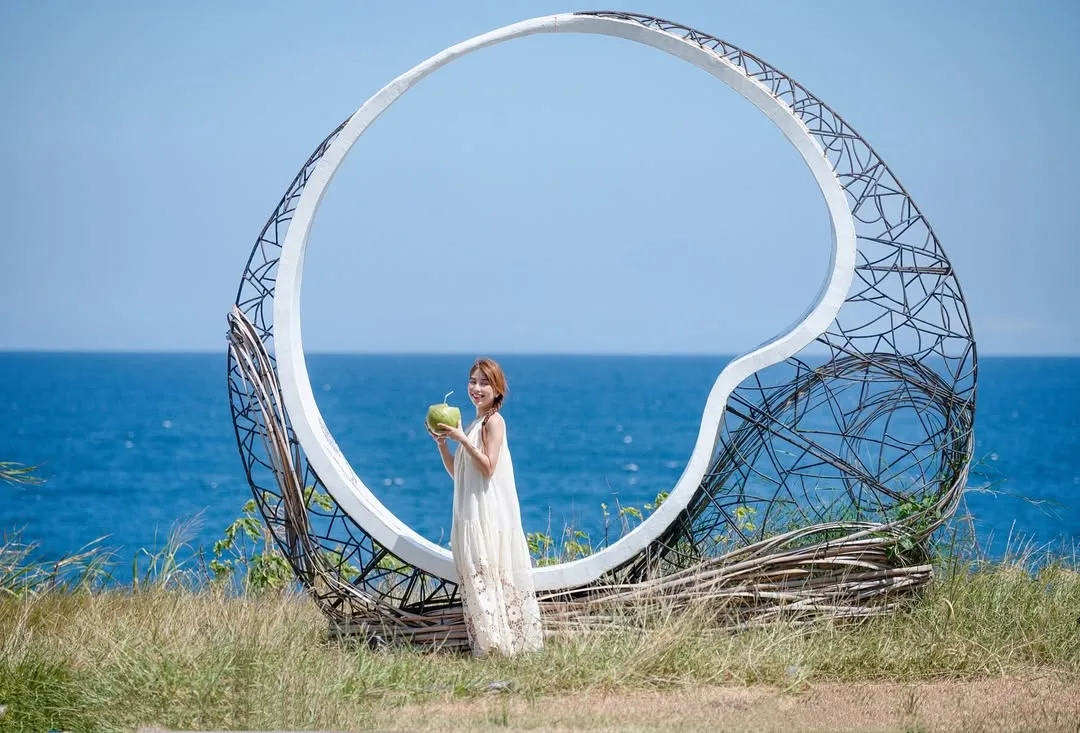
Famed for its breathtaking coastlines and lush mountain scenery, Donghe Township blends surfing culture, Indigenous traditions, and culinary delights. The Dulan and Jinzun coastlines are among Taiwan’s premier surfing spots, attracting enthusiasts from around the world. Dulan Tribal Village also serves as a hub of art, music, and crafts, showcasing the essence of Amis culture. A visit to Donghe wouldn’t be complete without tasting the famous “Donghe Baozi”, steamed buns stuffed with meat, vegetables or sweet fillings. Donghe Township is a paradise for nature lovers and cultural explorers alike.
(Photo credit: @yu_ning0202)
From Mawuku to Donghe
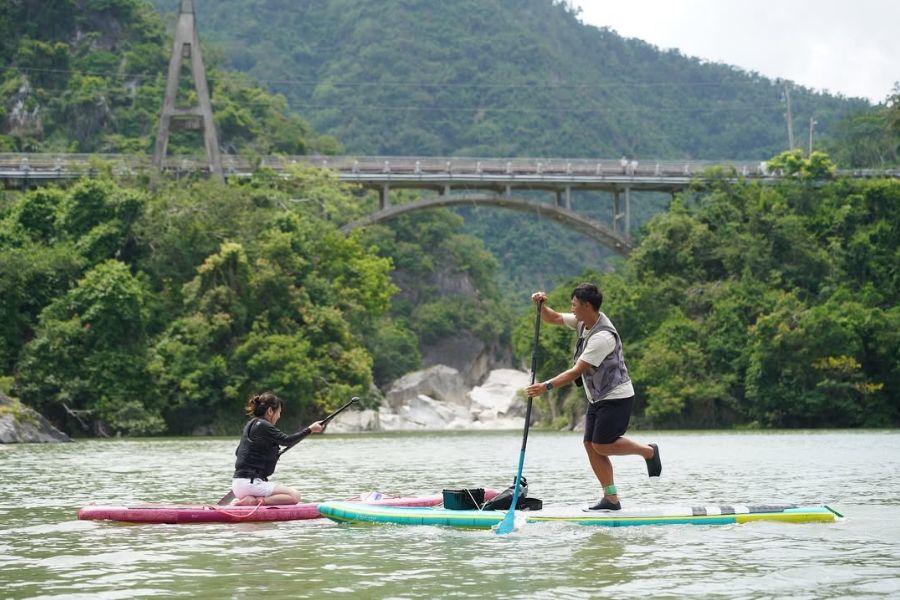
Donghe was originally known as “Mawuku,” meaning “casting fishing nets” in the Amis language, vividly portraying the early Indigenous livelihood that depended on both rivers and the sea. Located on the eastern foothills of the Coastal Mountain Range, this land is blessed with abundant resources and shaped by centuries of Indigenous settlement and migration. From the serene Taiyuan Gorge to the sweeping curve of Dulan Bay, layers of history and cultural transition have woven together the unique identity of Donghe.
(Photo credit: @amstylemia)
From the Qing Dynasty onward, the Amis, Puyuma, Han settlers, and later the Japanese gradually established their presence here, leaving traces in local beliefs, languages, and daily-life traditions. During the Japanese era, the Dulan Village Office laid the foundation for today’s township administration. After World War II, the area was renamed Donghe Township, taking its name from the lower reaches of the “Donghe” (a historical name for the lower reaches of the Mawuku River)—marking a new chapter for the community.
