


Formerly known as “Palangwei,” Dawu Township is a traditional territory of the Paiwan people. Historically, it served as a key passage between the east and west, and is now a mid-point on the South Link Railway. Due to its strategic location, it is often referred to as the “gateway to Taitung.” Dawu is home to a diverse population, blending Indigenous, Minnan, Hakka, and new immigrant cultures. Nestled between mountains and sea, it sits where the Kuroshio current meets Taiwan’s east coast upwelling, giving it abundant marine resources, notably largehead hairtail and mahi-mahi. The township’s main industries are agriculture and fisheries. Scenic spots such as Jinlong Lake, the Dawu Forest Trail, and the local fishing port showcase the harmonious coexistence of nature and culture.
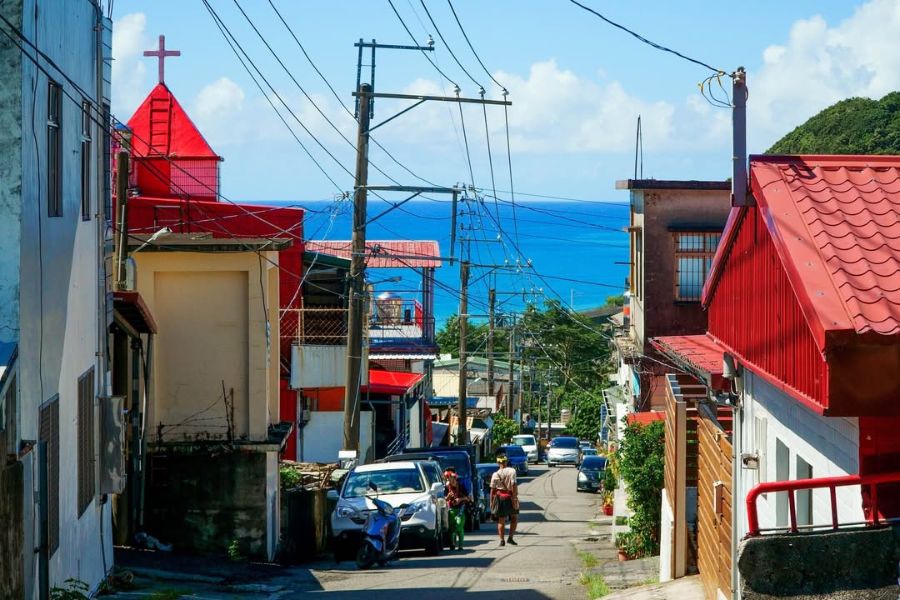
(Photo Credit: @david_huang_taitung)
The Homeland of Foehn Winds
A Story of Renewal and Living Memory
Located at the southern tip of Taitung County, Dawu Township is known as the “Homeland of Foehn Winds,” where hot, dry winds push summer temperatures to record-breaking highs. Yet the story of this land goes far beyond its climate; from mountain ridges to the coastline, Dawu holds the layered memories of migration, historic routes, and community transformation.
Since the Qing Dynasty’s frontier expansion, Dawu has served as a key passage linking eastern and western Taiwan. The “Santiaolun Historic Trail” (later known as “Jinshuiying Trail”) crosses the Central Mountain Range to connect Pingtung and Taitung. Along this trail remain traces of Qing soldiers, missionaries, Indigenous and Han settlers, as well as Japanese police forces — silent witnesses to centuries of movement and cultural exchange.
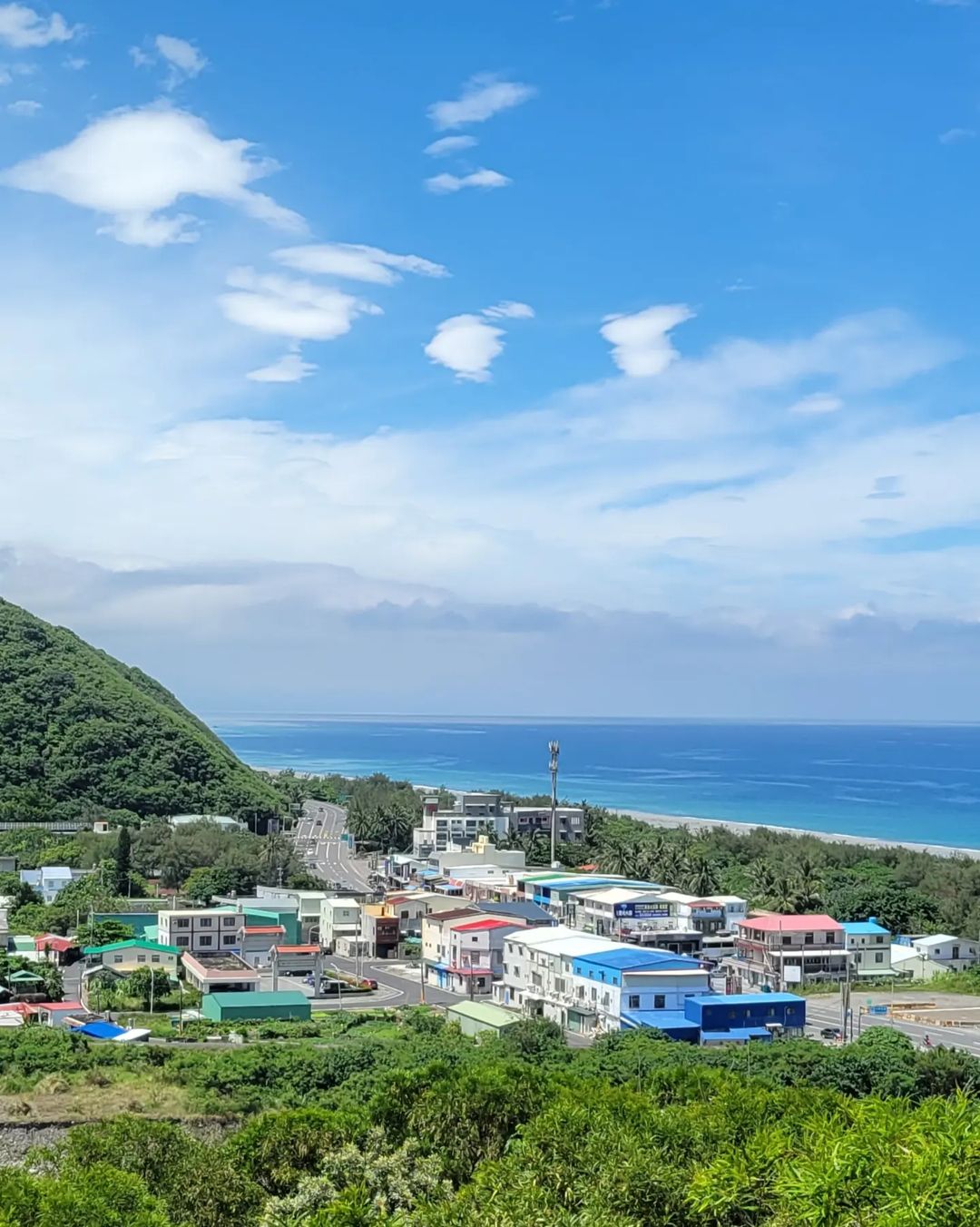
(Photo credit: @huichuanchang)

(Photo credit: South Link Arts Festival)
In modern times, Dawu experienced rapid decline following the opening of the South-Link Railway and the closure of its transit station. Yet the community never stopped moving forward. Through old-house revitalization and cultural initiatives, community reading spaces, handcrafts studios, and traveler hubs have been woven into the streets, reopening conversations with the land. From Jinlong Lake, where migratory birds gather, to the painted sky bridge symbolizing renewal, and the “Heart of Dawu” installation that integrates landscape with visitor services — Dawu, framed by mountains and sea, is writing a new chapter shaped by culture, resilience, and everyday wisdom.
