


Located at the northernmost point of Taitung, Changbin Township is bordered by the Pacific Ocean to the east and the Coastal Mountain Range to the west. Known for its spectacular coastline and rich Indigenous culture, it is home to King Kong Avenue, Baxian Caves, and Shitiping, offering unique landscapes perfect for ecological exploration. The Amis and Bunun cultures thrive here, with Harvest Festivals and traditional fishing techniques adding depth to the travel experience. The township is also famous for its high-quality agricultural and seafood products, with local coffee, organic produce, and seafood cuisine being particularly popular among visitors.
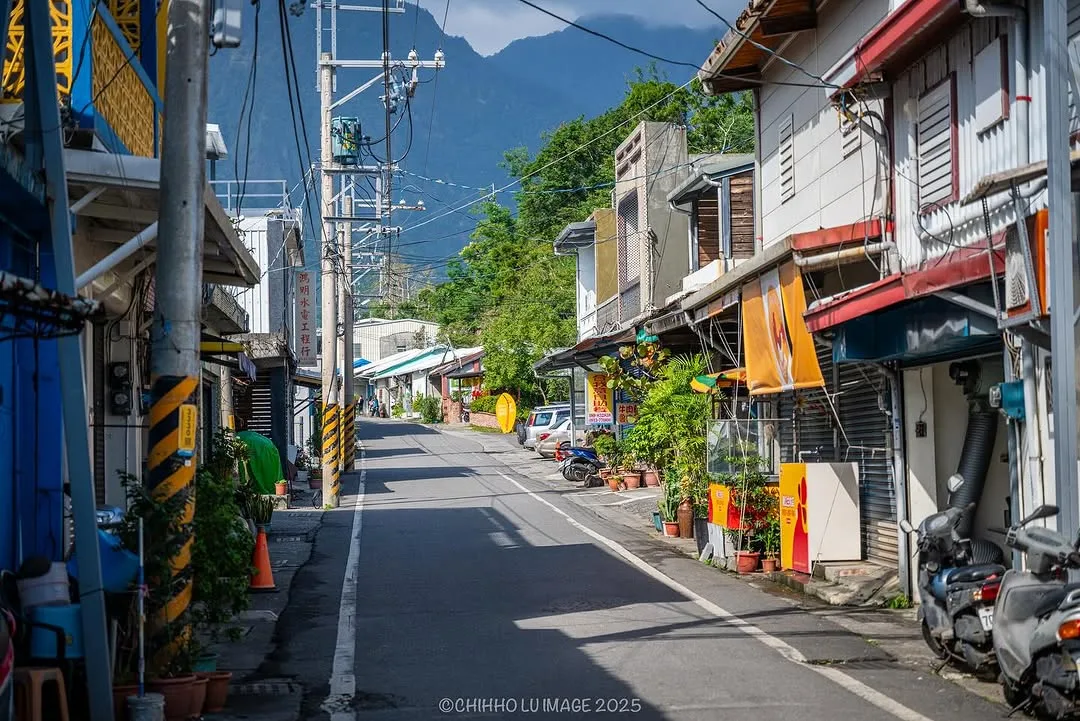
(Photo credit: @zzz321c)
Layers of Memory in a Land of Watchfulness
Changbin, formerly known as “Kazowang,” derives its name from the Amis word “Pikakasawan,” meaning “a lookout point” or “watchtower.” Beyond describing geography, the name reflects generations of inter-tribal interaction and collective memory. According to oral history, local communities once built lookout posts here to guard against Qing troops or outside incursions—thus giving rise to the name.
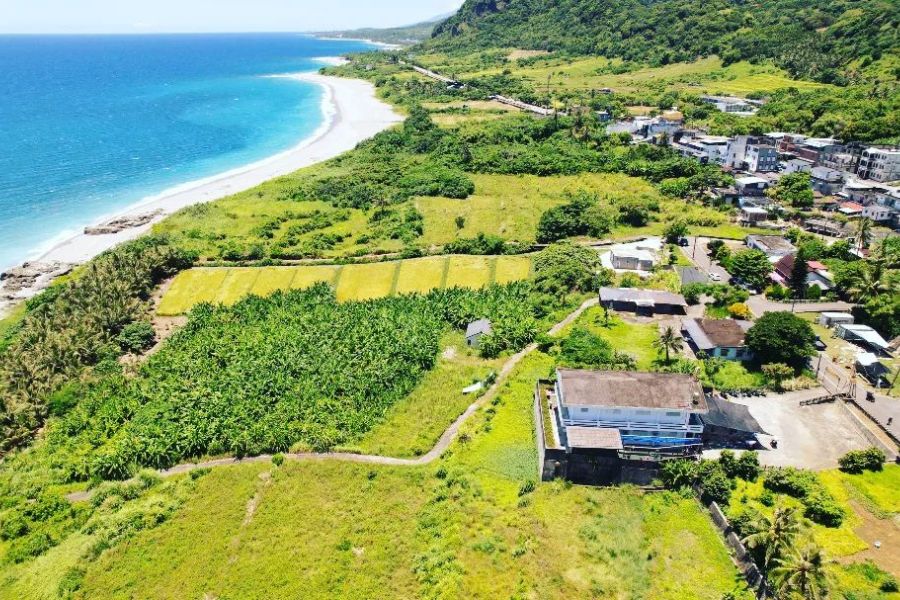
(Photo credit: @mingliang0409)
During the Qing era and the Japanese colonial period, Changbin underwent multiple administrative and name changes, shifting from a frontier defense point under Qing governance to a symbolic site in Japan’s assimilation policies. After World War II, the name Changbin was retained. These transitions reveal not only bureaucratic restructuring but also external regimes’ reinterpretation and reconstruction of local place names.
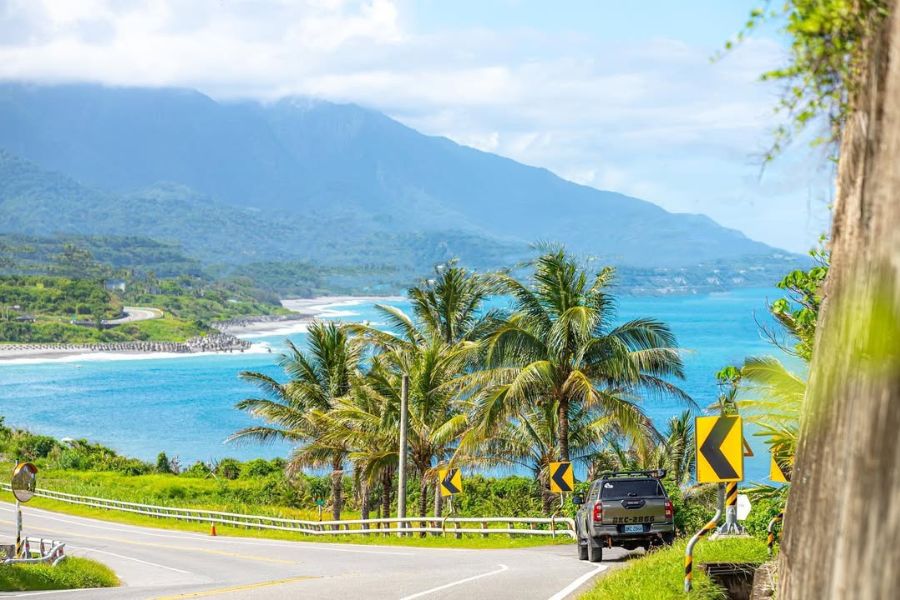
(Photo credit: @punkchu)
Over time, the arrival of the Kavalan, Bunun, and Siraya peoples further enriched Changbin’s cultural landscape. A folk explanation—linking the place name to the Minnan word for “flea,” once used by Siraya settlers—illustrates how oral traditions can shape geographic understanding. Today, Changbin remains a tranquil settlement where Indigenous histories and cultural memories continue to intertwine across generations.
