


 |
| Grains of Culture: Fermenting Traditions for Continuity and Creativity |
|
Taitung is celebrated for its rich natural resources—fertile lands, diverse ecosystems, and abundant marine life. Yet throughout history, its people have faced the unpredictability of natural disasters, including devastating typhoons and earthquakes, as well as intertribal conflicts, waves of immigration, and colonialism. The region's sparse population and remoteness have also made it vulnerable to supply disruptions. These conditions paved the way for the emergence of distinctive preservation methods, which have enhanced local flavors over time while reflecting the region’s culture, history, and environment. In this series, we will explore the salting, pickling, fermenting, smoking and drying of staple meat, fish, fruit and vegetables, grains and teas. These processes transformed perishable ingredients into preserved delicacies while telling a broader story about the resilience, resourcefulness and creativity of Taitungers. In this edition, we explore how the fermentation of grains have played a profound role in resilience, ritual and reverence, from the millet and sticky rice wines passed around at Indigenous harvest festivals, fermented cakes and millet wraps to the contemporary rethinking of native grains and foods in slow food, Indigenous fusions and alcohol production. THE NATIVE GRAINS OF TAITUNG
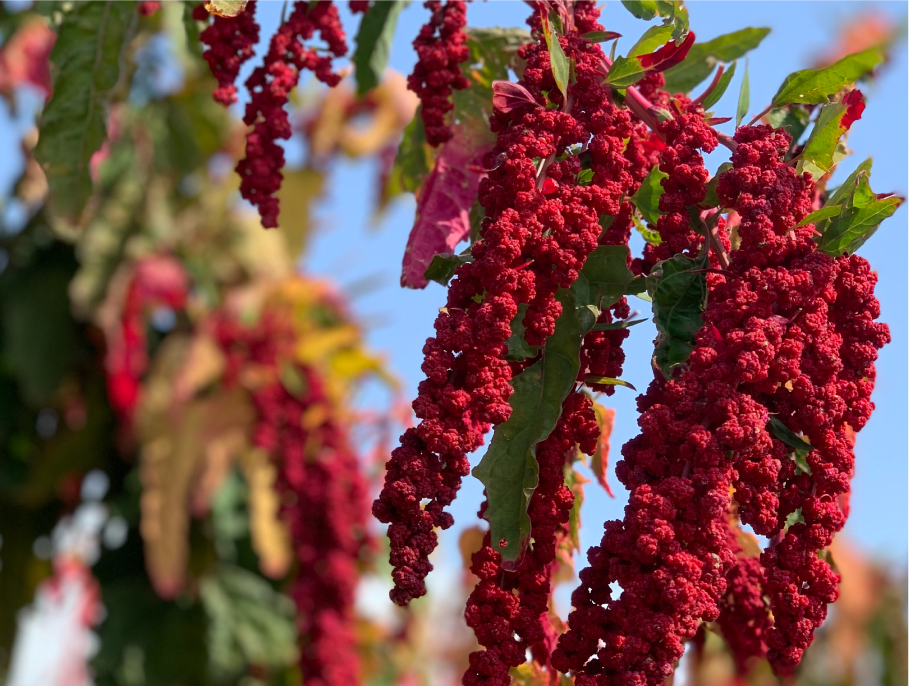 For centuries before the introduction of rice, millet was the dominant grain of Taitung’s plains and coastlines and the cornerstone crop of Indigenous groups across Taiwan. Millet was hardy and fast-growing, it thrived on the drier slopes and served as both food and ritual offering. Its light, nutty grains can be eaten steamed into leaf wraps, ground into flour, or fermented into millet wine, a drink deeply woven into tribal community life and ceremony. Millet is jam-packed with nutrition compared to the latterly arriving rice and other grains. Following the Harvest Festival at the end of summer, the millet would be blessed and then stored on raised bamboo platforms in a communal village granary, before being hung in the kitchens of the individual families, where the smoke from cooking would keep insects away and remove excess moisture in the rainy season. Djulis (紅藜, Chenopodium formosanum), often called “red quinoa,” was another staple grain native to Taitung’s valleys and coastline. The crop adapted well to Taiwan’s soils and climate, djulis is the Paiwan word, but it was also commonly cultivated for centuries by the Bunun, Pinuyumayan, Rukai and Amis peoples. Beyond its role as food—cooked into porridges or mixed with rice—its striking red husks were once used as a natural dye and in ritual decorations. Nutritionally, djulis is rich in protein, fiber, and antioxidants, making it the local “supergrain” long before the global quinoa trend. Along with root vegetables like taro and sweet potato, millet and djulis anchored the grain culture of Taitung long before rice cultivation expanded. It was only later that rice variations, including sticky rice (糯米) arrived from outside the island, gradually joining local grains in both daily cooking and ceremonial life. Today, sticky rice sits alongside millet in ritual wine-making and in sweet fermented foods, showing how new crops were woven into older traditions without replacing them. Meanwhile, high-quality and high-value rice now dominates Guanshan and Chishang townships of the East Rift Valley. XIAOMIJIU, WO AI NI
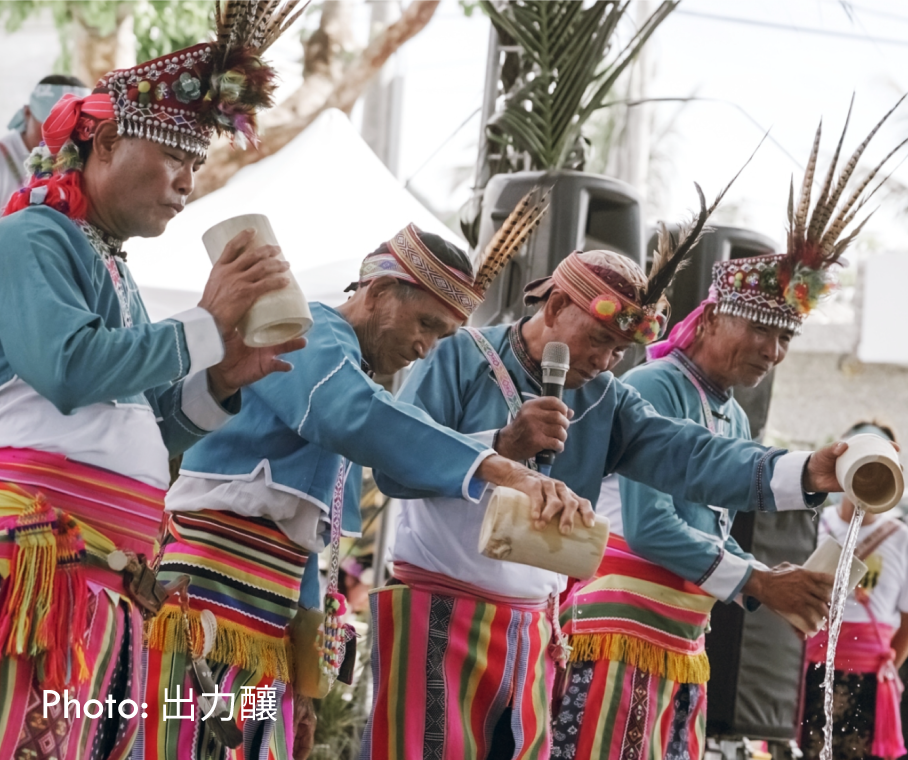 Despite negative health effects of frequent use, alcohol has been drunk across the world for thousands of years, often being seen as a bridge between people and the sacred, but also as a way of bringing the community together. Among Taitung’s Indigenous populations, sticky rice wine is commonly enjoyed in daily life and family gatherings, but millet wine, known as Xiaomijiu in Chinese, holds profound importance in ritual ceremonies, especially the annual Harvest Festivals, the most important rituals of the tribal calendar. These festivals are based around the millet planting and harvest calendar and each of the different tribes have their own variations of the wine, depending often on the types of herbs and environment available to them locally. Indeed, millet wine has become synonymous with Indigenous cultural resilience and a more communitarian way of life, as such it appears in countless songs, including the well-known Amis folk song The Millet Wine Song, with the lines Xiaomijiu, Wo Ai Ni (millet wine, how I love you), while the drinking of the wine from bamboo cups has inspired the emotions for countless other songs and performances past and present. No doubt one will be able to hear the song during the biennial Amis Music Festival in Dulan this November; and no doubt there will be a variety of millet and sticky rice wines being shared amidst the singing, dancing and celebration. TRADITIONAL STICKY RICE
AND MILLET WINE PRODUCTION The making of millet and sticky rice wines in Taitung is as much about ritual and community as it is about fermentation science. Traditionally, the process begins not in the kitchen, but in the fields. Families harvest their millet or sticky rice, dry it carefully, and set aside a portion specifically for winemaking. Before the grains are cooked, elders often perform simple prayers or gestures to honor the ancestors and invite blessings for a successful fermentation. 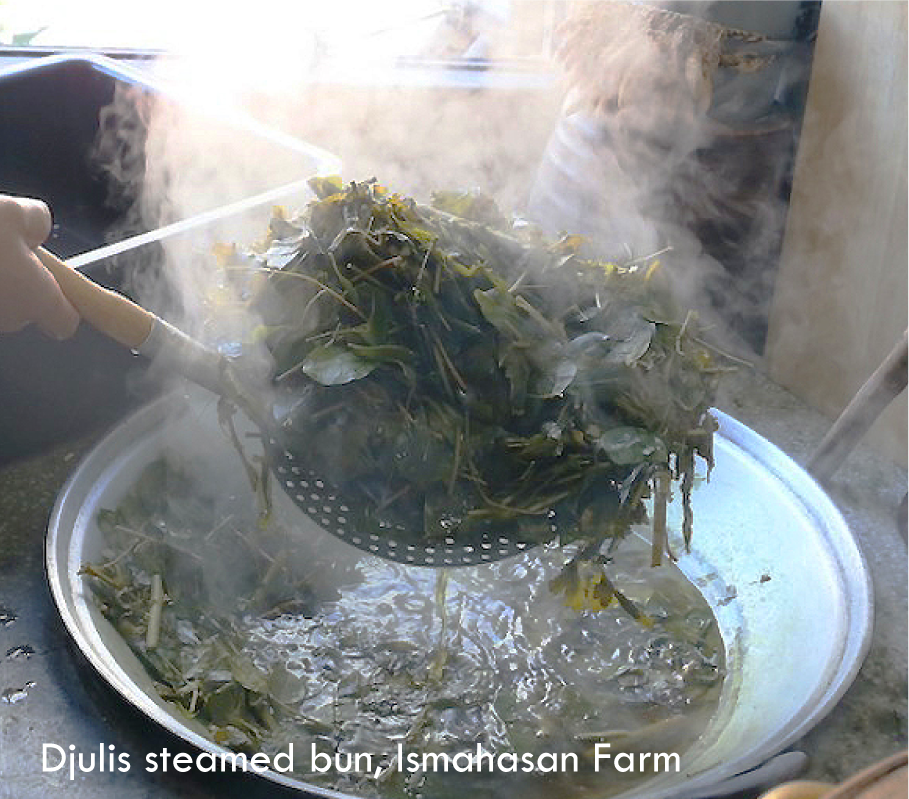 The millet (or sticky rice) is first washed in cool mountain or spring water, soaked until softened, then steamed in woven bamboo baskets or wooden steamers. The steaming not only gelatinizes the starches but also infuses the grains with the subtle aroma of bamboo or wood, setting the stage for fermentation. Once steamed, the grains are spread out to cool before being inoculated with jiuqu—liquor fermentation starters made from grains (usually rice or millet), herbs, and wild plants unique to each community. 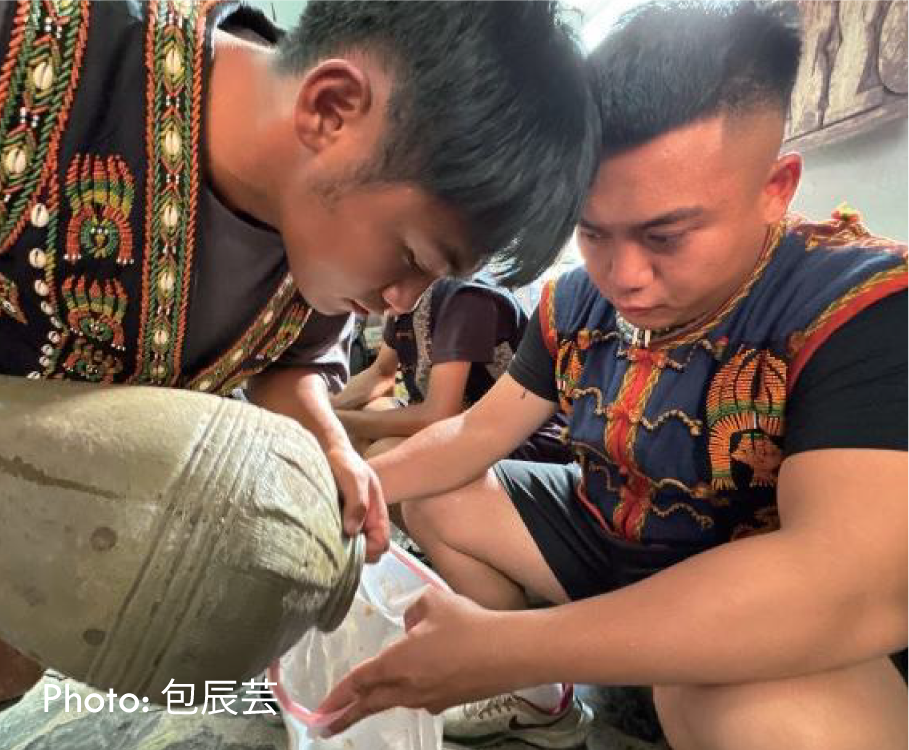 The cooled grains are layered with powdered, crumbled or sticky balls of starter in earthenware jars or wooden vats. These containers are sealed with leaves, bamboo, or cloth and left in warm, shaded corners of the home. Over days and weeks, the microbes convert the starches into sugars and then into alcohol, producing a liquid that is often cloudy, lightly effervescent, and fragrant with fruit and herbs. The progress of fermentation is monitored by taste, smell, and the bubbling sound inside the jars. Along with root vegetables like taro and sweet potato, millet and djulis anchored the grain culture of Taitung long before rice cultivation expanded. It was only later that rice variations, including sticky rice (糯米) arrived from outside the island, gradually joining local grains in both daily cooking and ceremonial life. Today, sticky rice sits alongside millet in ritual wine-making and in sweet fermented foods, showing how new crops were woven into older traditions without replacing them. Meanwhile, high-quality and high-value rice now dominates Guanshan and Chishang townships of the East Rift Valley.
JIUQU: THE LIVING CULTURE OF FERMENTATION
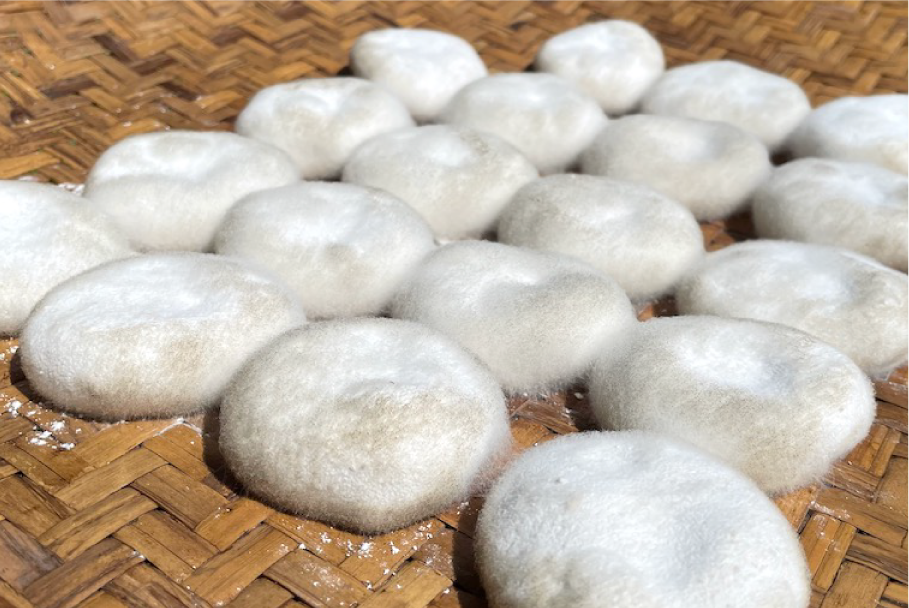 At the heart of Taitung’s grain fermentations lies jiuqu (酒麴) — liquor starters that makes transformation possible. Unlike the Japanese koji (米麴), which cultivates a single purified mold, Taiwan’s jiuqu is a living community and culture of molds, yeasts, and lactic acid bacteria working in harmony to create complex and flavorful wines. References to these mixed starters date back to the Book of Documents (尚書), one of the Five Classics, with archaeological discoveries of alcohol traces in Henan, indicating that people were making it as far back as 9,000 years prior. Different communities in Taitung have their own unique jiuqu traditions. Among the Amis, for example, liquor starters are made by blending the ground grains with large-leaf herbs such as Limnophila rugosa, other wild mountain plants, and seasonal flowers like chrysanthemum. These foraged ingredients provide both wild anti-microbial properties and subtle aromatics, resulting in starters that are highly local in flavor. Contemporary Amis winemakers such as Truly Wine continue this practice, incorporating nine different forest herbs and medicinal plants to craft deeply layered br Paiwan fermentation starters - pikak - use a different set of wild herbs, such as orange jasmine, blumea balsamifera, rosary pea, wild chrysanthemum and sometimes djulis (red quinoa). Pikak Fermentation Culture Kitchen (麵麴文化廚房) is preserving this tradition in their garden for these herbs, while innovating to make mantou steamed buns preferred by Mainlanders, replacing the yeast with his own traditional pikak starter. Once cooled millet or sticky rice is inoculated with jiuqu and sealed in jars, fermentation unfolds slowly. For sticky rice wine, the process produces a fragrant liquid that balances fruitiness, acidity, and gentle herbal notes — far more complex than the overly sweet stereotype often associated with millet wines. By contrast, when the fermentation is halted earlier or kept moister, the rice yields jiuniang (酒釀): a spoonable, a porridge-like pudding in which the softened rice remains suspended in a lightly sweet, low-alcohol broth. Popular across Taiwan, this fermented rice pudding can be eaten as a dessert, stirred into soups, or enjoyed warm in winter, making it as much a comfort food as a fermented delicacy. Jiuqu can also be extracted from finished fermented products and reused again as future fermentation starters, so these everchanging, living cultures can be passed on from generation to generation, preserving a wisdom and way of life endlessly through the centuries. LET NOTHING GO TO WASTE!
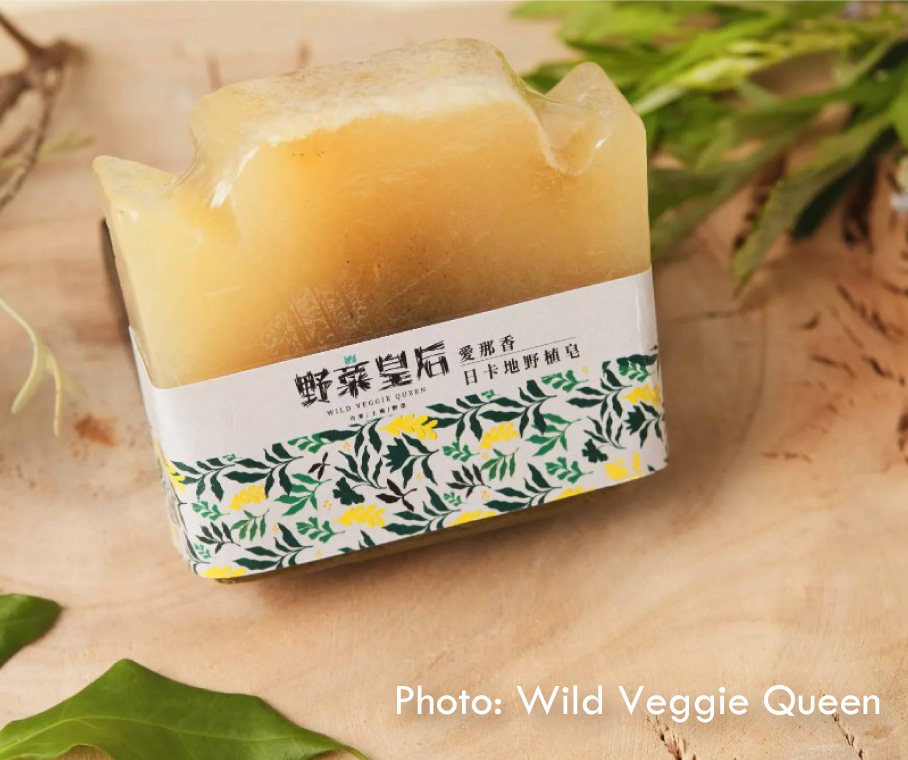 Even wine lees (酒粕), the remaining byproduct from millet and sticky rice wine production, does not go to waste. Much like how the British extract the yeasty leftover residue of beer production to create the salty national favourite spread Marmite, Taitungers make use of their fermented rice, yeast and nutrients residue in a variety of products, from Truly Wine’s lees biscuits and lees chocolate, to the soap and skincare lees products such as those found on DonDonStyle and Taitung Shop (台東製造). For example, the Wild Veggie Queen (野菜皇后), combines the rice wine lees—which are full of amino acids, fibre and vitamins—with a variety of wild plants, such as the red betel vine leaves, foraged from nearby her tribal village of Chulu to make fragrant organic soaps. The wild green soaps embody deep plant wisdom, cleansing and renewing daily life and through the design of these new products she uses the preserved rice byproduct to preserve the culture of her tribe. The Taitung County Government has been pushing its slow and sustainable credentials in recent years and the cycle of fermented wine byproducts is an excellent example of this. ROOTED AND RESILIENT
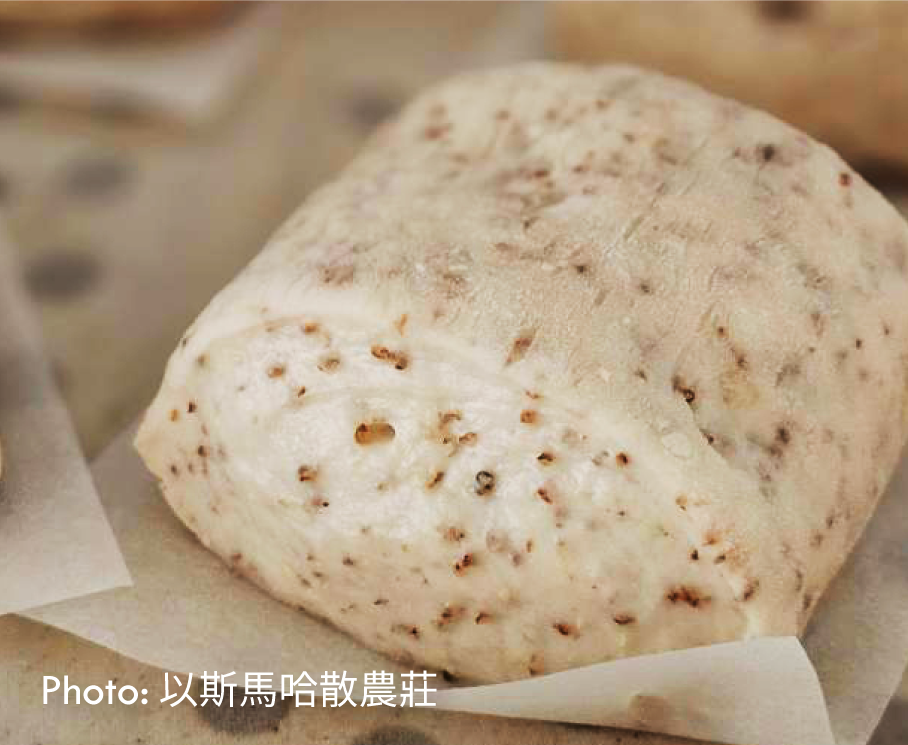 More generally, Taitung County has put many resources into supporting its agricultural produce, through collective branding of a clean and unspoiled land, local agriproduce markets, indigenous agriproduce markets and initiatives like Slow Food Taitung. Many successful local companies have thrived in this climate, with new and innovative products rooted in the use of local grains, fruits and vegetables. The rice fields of Chishang are a particular success story, with their yield now a high value crop producing a variety of value-added rice products such as the lightly fizzy rice amazake health drink, rice cakes and other snacks. Taitung’s East-Sun Distillery also distills the taro-fragrant rice (芋香米) of Chishang into high-strength shochu spirits. The distillery’s gins, rums and other liqueurs also preserve a variety of locally-grown ingredients in the bottle, including taro, red oolong tea, magao mountain pepper, piper betel leaf and prickly ash. In recent years, both djulis and oil millet (油芒), a crop once thought lost to the Bunun people, have seen a revival in Taitung, not only as symbols of indigenous heritage but also as ingredients shaping new tastes and products. Farmers and community groups have worked to bring these grains back into cultivation and promote them to a wider audience. Beyond their use as whole grains, djulis and oil millet have found a place in modern kitchens—for example the Bunun Yisanma Farm (以斯馬哈散農莊) in Yanping, mix their home grown oil millet with flour, which is left to ferment, and then steamed into mantou buns, often topped with sprinkles of the golden grain. Such experiments show how ancient crops can be reimagined for today, connecting the past with evolving culinary creativity. From sacred brews shared at harvest festivals to innovative spirits, snacks, and soaps, the grains of Taitung continue to sustain both body and culture. Grounded in the local, their fermentation stories remind us that preservation is not only about food and drink—it is also about memory, meaning, and creativity in passing traditions forward. While grain-based fermentation starters are used for alcohol creation in millet and sticky rice wines, different living cultures of bacteria and yeast are also fermented into health drinks in Taitung, such as kampuchea, and red oolong tea, which we will explore in the final edition of this year’s Taitung Times… |
| © TAITUNG COUNTY GOVERNMENT 2025 |
