


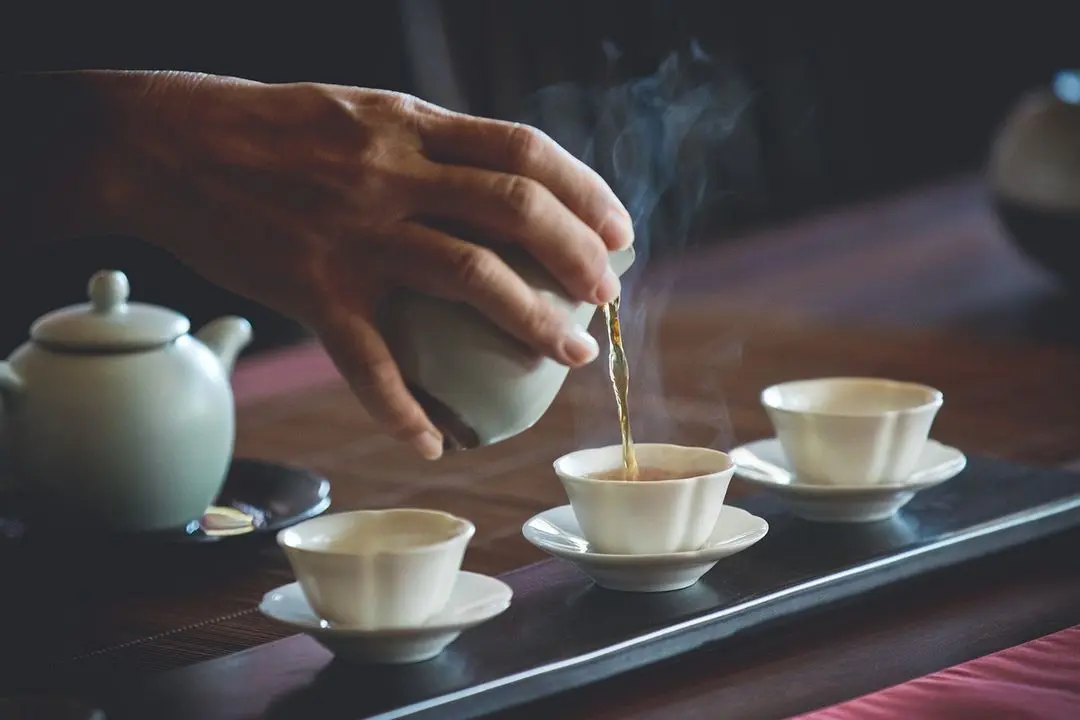
(Photo Credit: 博雅齋自然茶園)
In Taitung’s tea-growing region on Taiwan’s east coast, a unique variety called Red Oolong has captivated tea lovers since its creation in Luye in 2008. Its sweet, amber-colored brew and fruity aroma come from combining oolong and black tea crafting techniques, producing a cup that’s both aromatic and visually striking.
Making Red Oolong tea is like crafting a gourmet meal, moving through four key steps — withering, tossing, rolling, and drying — each reflecting the tea makers’ hard work and dedication.
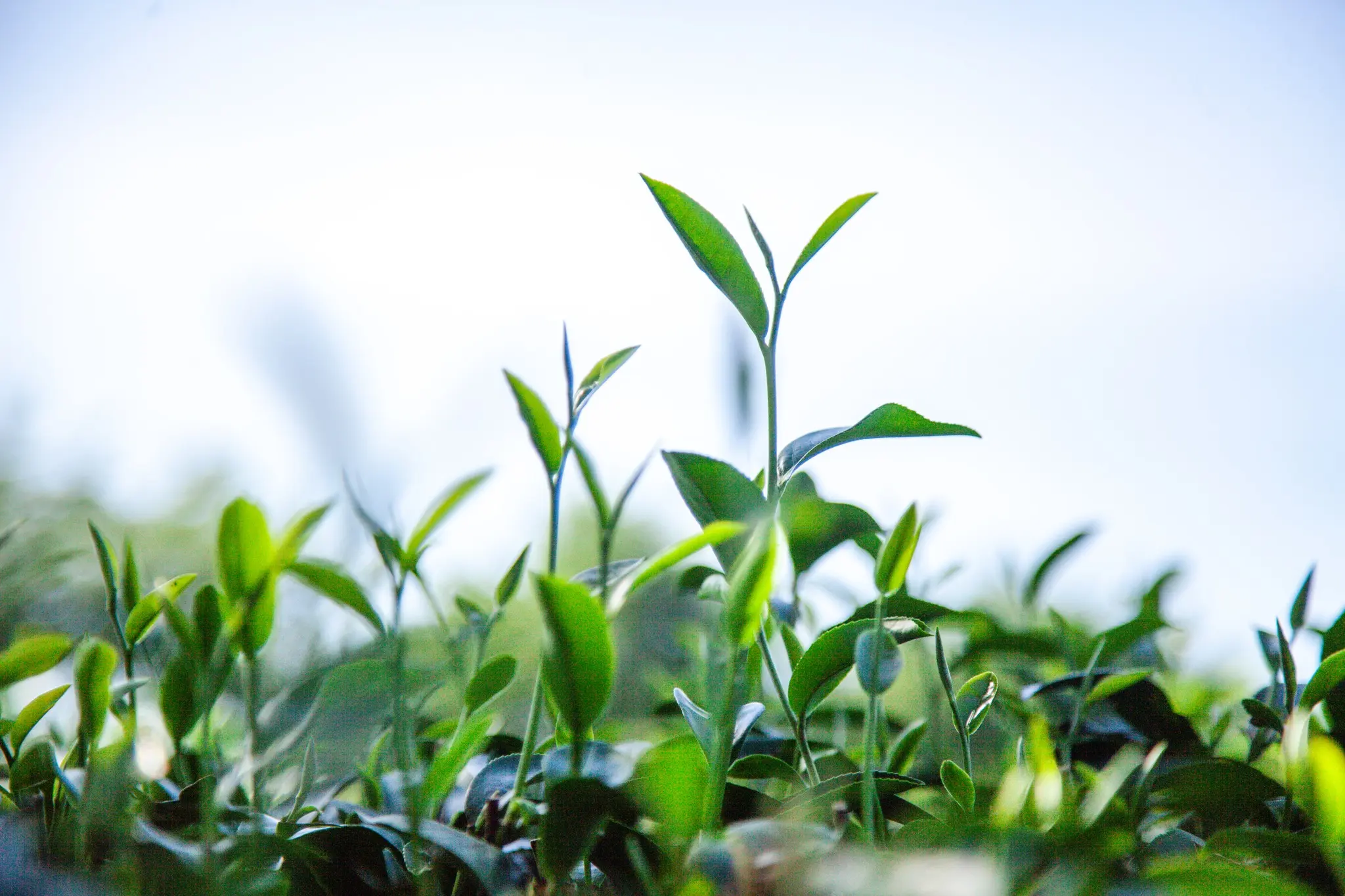
(Photo Credit:台東紅烏龍)
Withering lets freshly picked leaves relax and release their hidden aroma, softening them for fermentation. Tossing repeatedly stirs the leaves to promote oxidation and build Red Oolong’s fragrance. Rolling, like seasoning in cooking, twists and lightly damages the leaves under precise pressure to shape them and deepen their flavor. Finally, drying uses hot air to lock in flavor, color, and aroma.
This blend of oolong’s richness and black tea’s lush fragrance has won over many tea lovers. Its bright reddish-brown brew is rich and smooth with a sweet, lingering aftertaste — every sip and whiff reflecting the craftsmanship of eastern Taiwan’s tea makers.
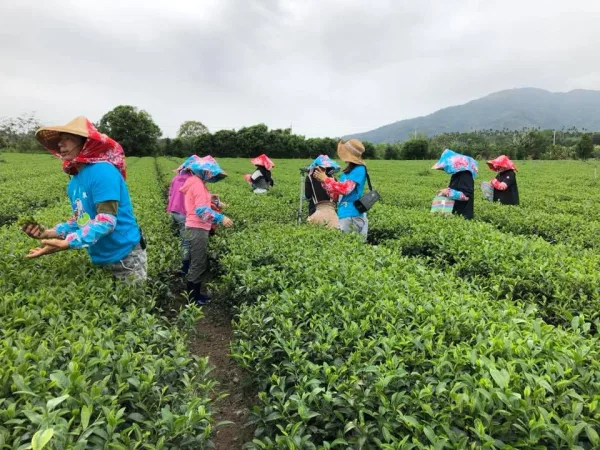
(Photo Credit:饗嚮台東)
Red Oolong’s allure comes not only from its craftsmanship but from the pristine land that nurtures it. Taitung’s unpolluted soil produces premium leaves, and many tea gardens follow eco-friendly practices, avoiding pesticides and chemical fertilizers to keep every cup pure and safe. One acre of tea plantation yields only about 240 kilograms of this precious, fruity tea, carefully hand-picked by dedicated farmers.
To spread this tea’s fragrance worldwide, the Taitung County Government has built the “Taitung Red Oolong” brand with strict quality control, including origin certification and pesticide testing. Each batch is judged by national-level evaluators through sensory analysis, and only qualifying batches earn the brand label; the government also helps farmers with marketing.
Tea farmers are encouraged to form cooperatives that integrate production and sales, buying tea above market price to reward careful cultivation. The Luye-based Red Oolong Tea Cooperative, for example, combines rigorous evaluation, eco-friendly farming, and fair profit-sharing, while building its brand through social media and immersive experiences to connect with consumers.
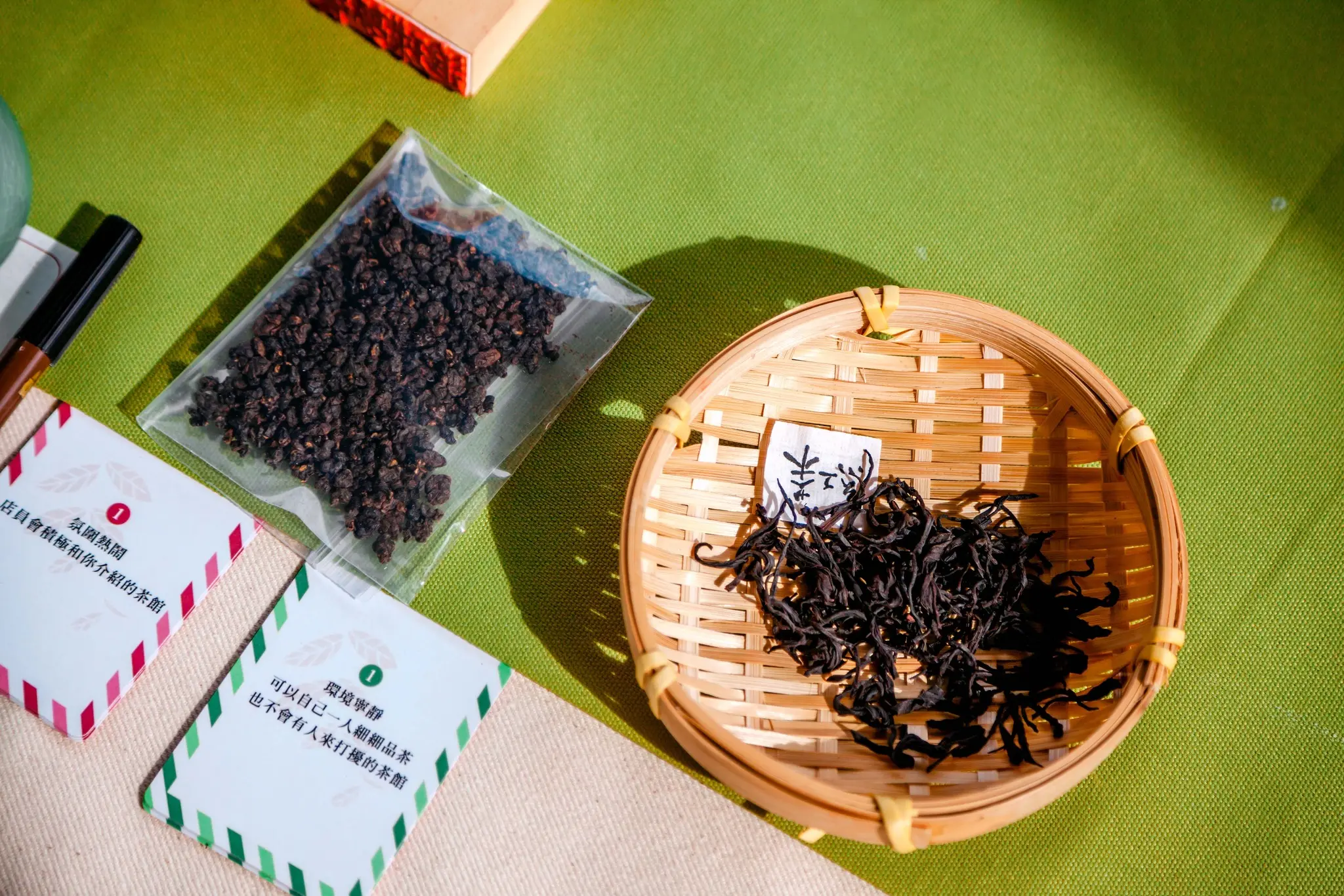
(写真提供:台東紅烏龍)
The county government has also launched the “Taitung Red Oolong Origin Flavor Demonstration and Guidance Program,” helping selected businesses develop Red Oolong-flavored dishes. Through cross-industry alliances and brand marketing, the program creates more consumer touchpoints and promotes diverse uses of Red Oolong tea, strengthening Taitung Red Oolong’s brand image.
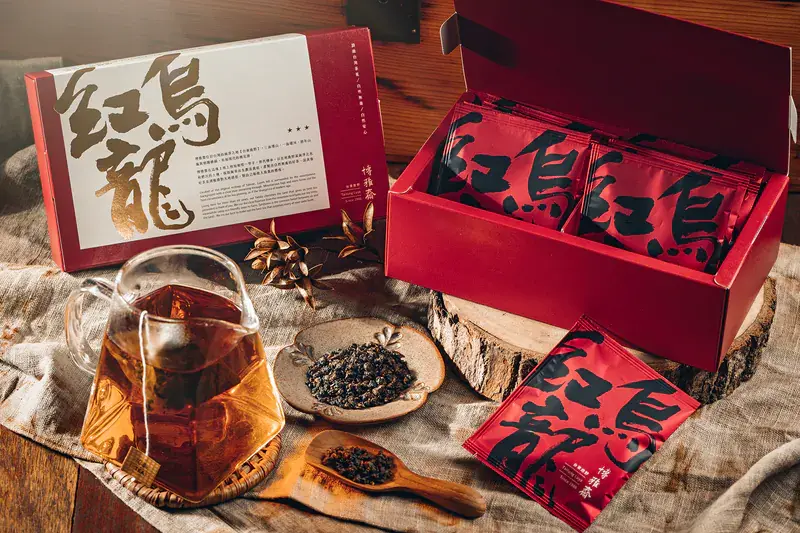
(Photo Credit: 博雅齋自然茶園)
Thanks to these efforts, Taitung Red Oolong has gained real prominence. Luye’s Buoyatea Red Oolong, for instance, has won Belgium’s iTQi Superior Taste Award (three stars) for eight consecutive years — the first Red Oolong brand to earn this global distinction.
A cup of fine tea reflects not just its color but the essence of its origin and its makers’ craftsmanship. Every sip of Red Oolong carries the pure, authentic flavor of Taitung’s pristine land, its fruity and nutty aromas equally enjoyable hot or cold.
Why not brew a pot of aromatic Taitung Red Oolong and savor the leisurely pleasure it brings? Invite tea into your home, appreciate Taitung’s mountains and waterways, and support the local farmers who help safeguard this land and its tea culture for years to come.
