


Located by the coastal waters that the Kuroshio Current passes through, Chenggong Township in Taitung boasts abundant marine resources. Since the Japanese colonial period, the town has developed a thriving katsuobushi (dried bonito flakes) industry. In the 1920s, the Japanese government promoted bonito processing in Taiwan, introducing advanced fishing and preservation techniques. Fresh bonito—once a low-value fish—quickly became a cornerstone of Taitung’s local economy. At its peak, Zhongshan Road, known as “Bonito Street”, was lined with nearly ten specialized bonito shops and processing factories, symbolizing the golden age of this coastal craft.
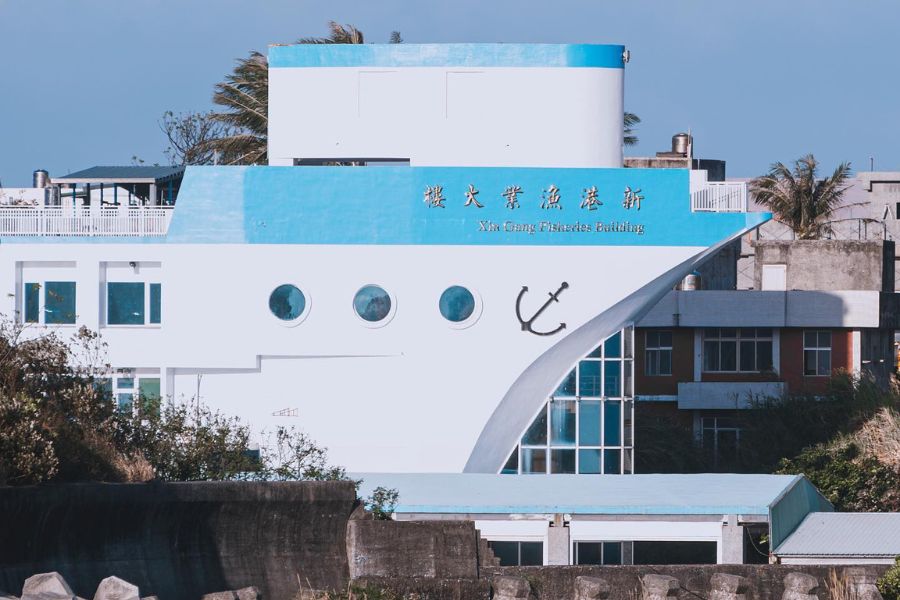
(Photo credit: @huang__wei08)
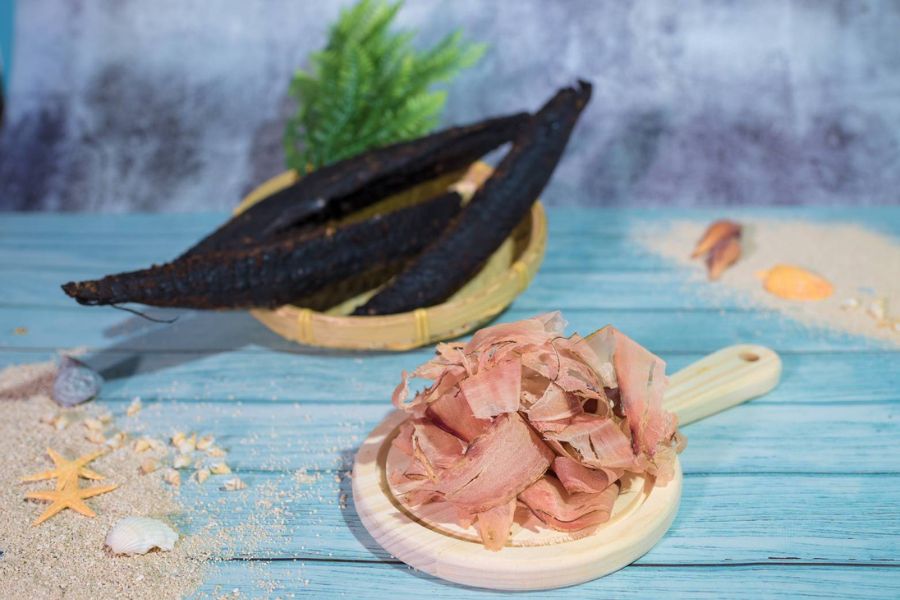
(Photo credit: Dachin Bonito Flakes)
From Harbor to Table: The Art of Bonito Processing
Bonito flake production in Chenggong inherits the traditional Japanese katsuobushi methods, where every step reflects craftsmanship and patience. Fresh fish must be processed immediately after landing—bled, decapitated, gutted, and filleted into four parts. Before entering the kiln, the meat is first steamed to prevent charring. The fish is then smoked continuously for 24 hours using longan wood, followed by a week of charcoal roasting, 2–3 days of air drying, and another 7 days in the kiln. The full process takes about a month to produce one batch of finished bonito flakes.
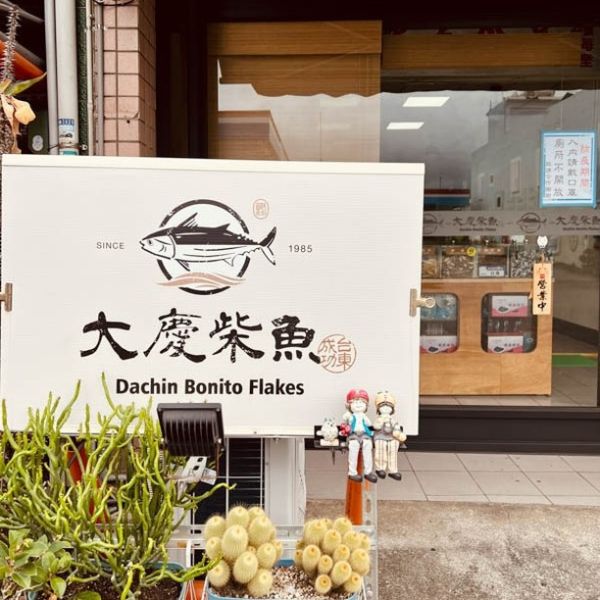
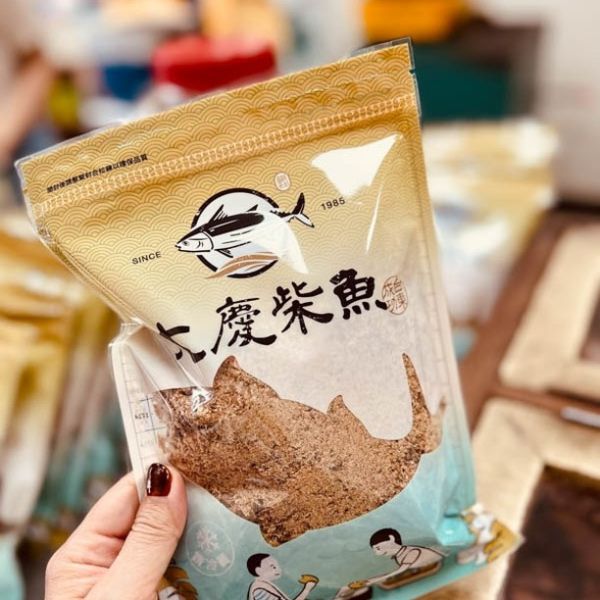
(Photo credit: @springhappylife )
Today, Dachin Bonito Flakes, the only remaining traditional producer in Chenggong, continues to use true bonito (Katsuwonus pelamis, commonly known as skipjack tuna). Proprietor Wang Kai-Ni collaborates with seasoned craftsmen from Donggang, adhering to time-honored longan-wood smoking techniques. The true bonito’s red flesh yields delicately pink flakes with an aroma and chewy texture that make them enjoyable even as a snack on their own.
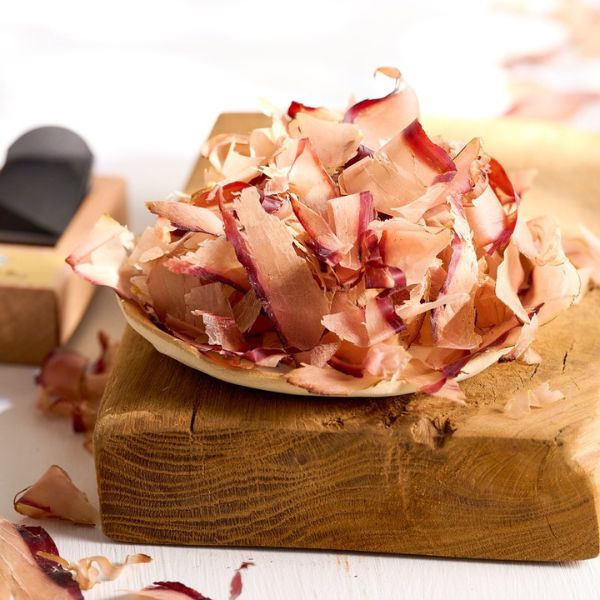
(Photo credit:Dachin Bonito Flakes )
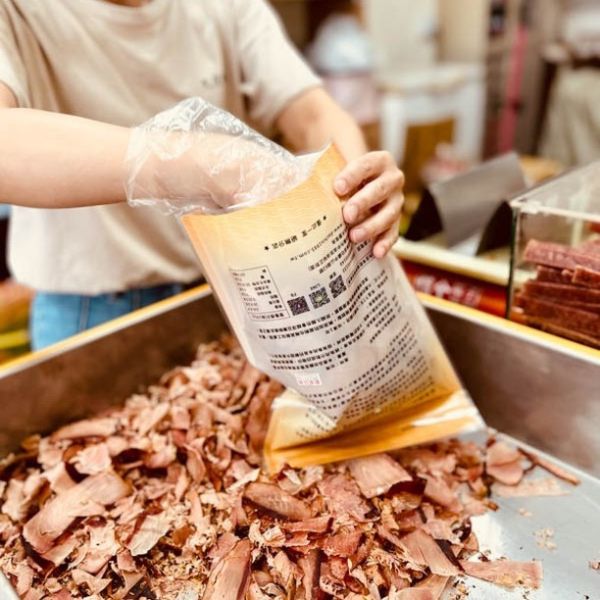
(Photo credit: @springhappylife )
Deeply Rooted in Local Cuisine
Bonito has long been a part of everyday life for Chenggong residents. At Shichangkou Noodle Shop inside the Chenggong First Public Market, both the soup and dry versions of thick rice noodles are generously topped with bonito flakes. Even boiled greens come sprinkled with bonito, reflecting the town’s hearty “sea-loving” taste. During the 1950s Chenggong Theater era, locals would snack on small strips of dried bonito while watching films—an alternative to popcorn that became a symbol of local nostalgia.
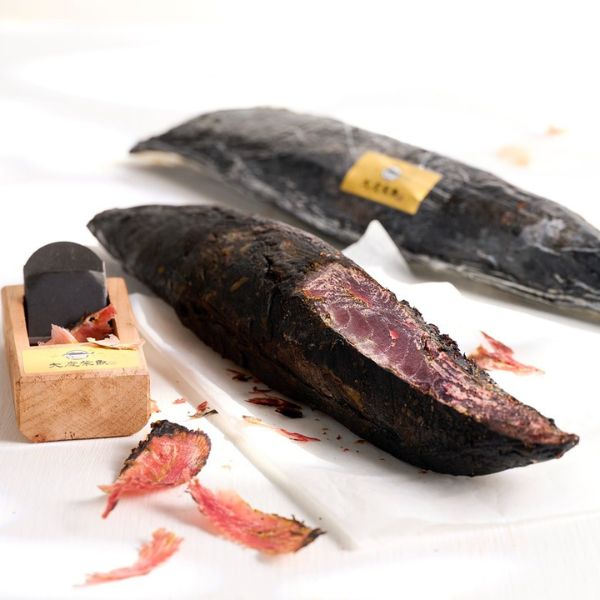
(Photo credit: Dachin Bonito Flakes)
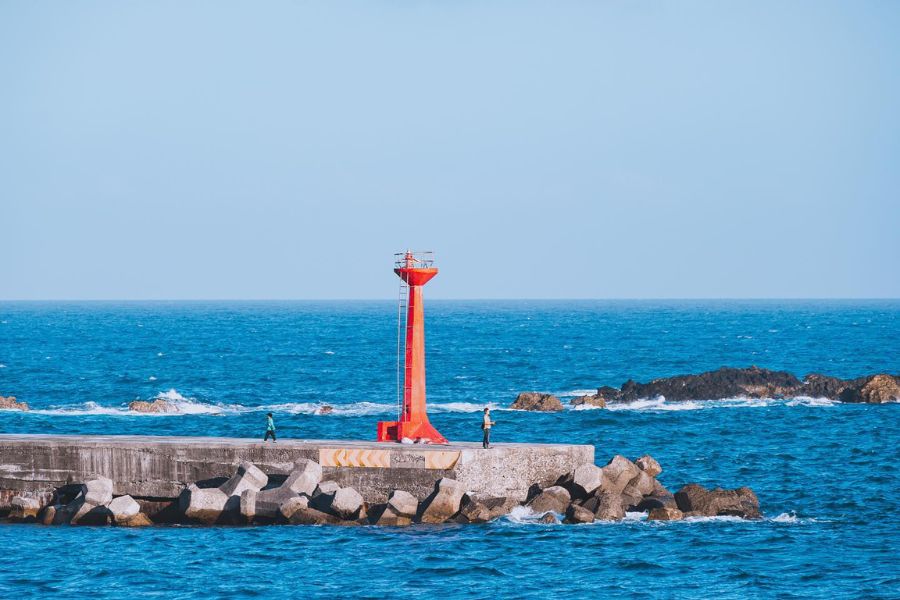
(Photo credit: @huang__wei08)
Continuing a Century-Old Tradition
Although Chenggong’s last large-scale bonito factory closed in 2021, its culture endures. Local stores such as Dachin Bonito Flakes and Shan Hai Guan Specialty Store continue to uphold the craft, selecting only the freshest fish and preserving traditional methods. These small shops serve as the final bastions of this artisanal skill. The aroma of freshly shaved bonito still drifts from the seafood shops behind Chenggong Fishing Harbor—adding depth to soups and dancing atop chilled dishes.
The Taitung County Government actively supports local cultural industries. The Chenggong Culture Bank now integrates culinary experiences and exhibitions, offering innovative desserts such as Basque Cheesecake infused with Bonito Soy Sauce. Meanwhile, Fu He Cheng Bakery has created Bonito Mochi, blending sweet and savory flavors in a single bite. These creative reinterpretations not only preserve traditional craftsmanship but also breathe new life into Chenggong’s century-old bonito culture.
