


At dawn in Changbin Township, Amis elders set up baskets of freshly foraged wild vegetables in the local market. These seemingly ordinary greens hold centuries of Indigenous wisdom. Studies show that Amis people can typically identify over 200 types of edible wild vegetables, reflecting their deep connection with the land. These wild greens are not just ingredients on the dining table but also a testament to the tribe’s traditional knowledge. In recent years, the Taitung County Government has been actively promoting preservation and innovation in wild vegetable foraging culture, ensuring that this valuable cultural heritage continues to thrive.
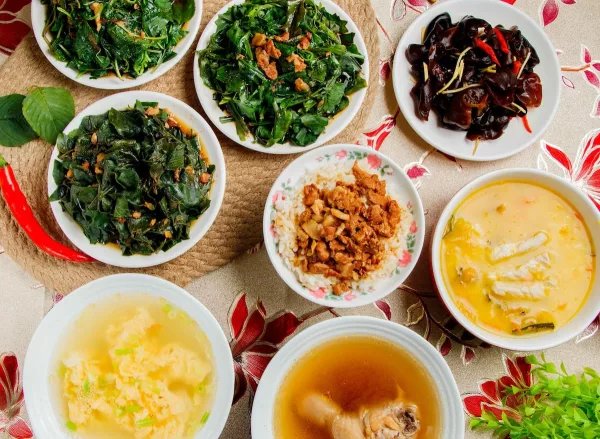
(Photo credit: Wild Vegetable Kingdom)
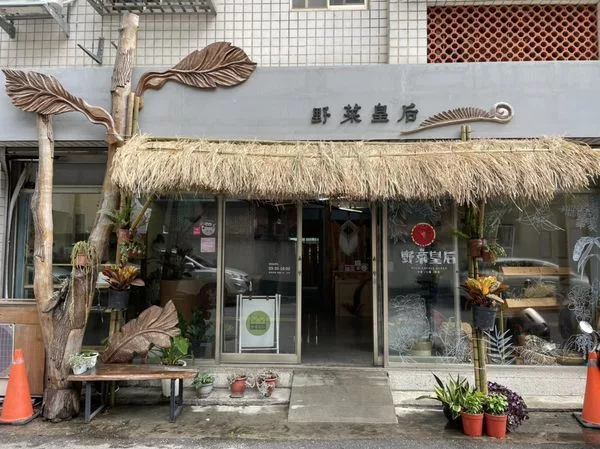
(Photo credit: Wild Veggie Queen)
Walking through Taitung’s forests, one can witness the Amis people’s mastery of wild plant foraging. Take Formosan Eupatorium, known to the Amis as Tatakolay, for example. They not only harvest its tender leaves at the right season but also follow sustainable harvesting principles to preserve wild populations. When collecting, they adhere to the “limited harvesting rule”, avoiding uprooting or over-picking.

(Photo credit: Chubby Rabbit)
In recent years, Taitung’s wild vegetable circles have embraced a new era of innovation. Local advocates, including Wild Veggie Queen, preserve this traditional wisdom and use modern methods to further promote these valuable plants. They have visited over 70 Indigenous villages, using live streaming and workshops to educate people about the benefits of different wild vegetables. Notably, they have even developed wild vegetable skincare products, turning traditional knowledge into new commodities, thereby injecting fresh energy into tribal economies.
(Photo credit: Chubby Rabbit)
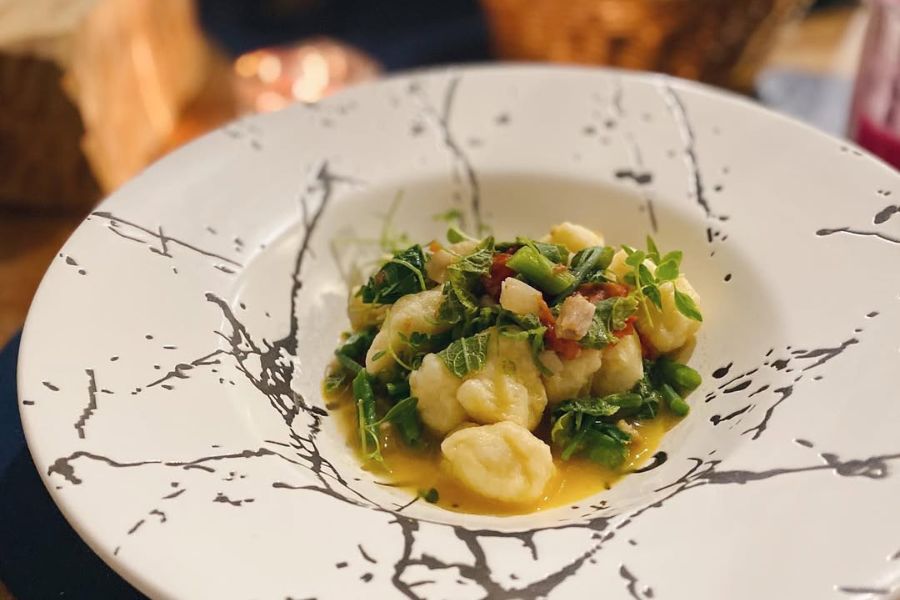
(Photo credit: @shibawoofwoof)
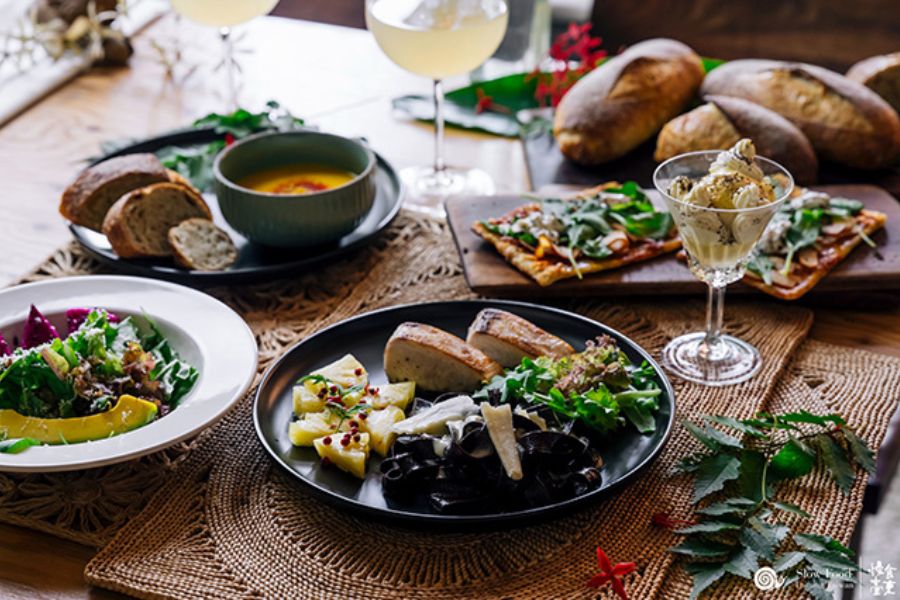
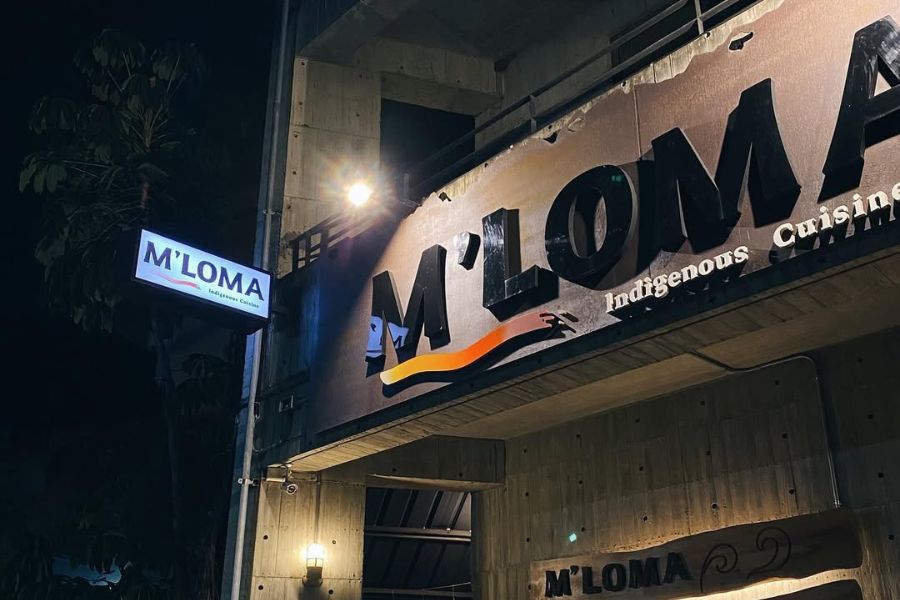
The Taitung Slow Food Select 2024 showcased the impressive culinary potential of wild vegetables through its star-rating system and guidebook. Chubby Rabbit in Luye received a three-star rating for embracing the aesthetics of slow food by emphasizing local ingredients. Meanwhile, M’ Loma earned two stars for its creative use of wild vegetables in dishes inspired by Indigenous communities across Eastern Taiwan. These restaurants not only highlight the taste of wild greens, they embody the philosophy of local ingredients and culinary innovation, blending traditional knowledge with modern gastronomy. Whether in welcoming traditional market stalls or Michelin-level dining, wild vegetables narrate Taitung’s slow food story, preserving the region’s rich culinary heritage.
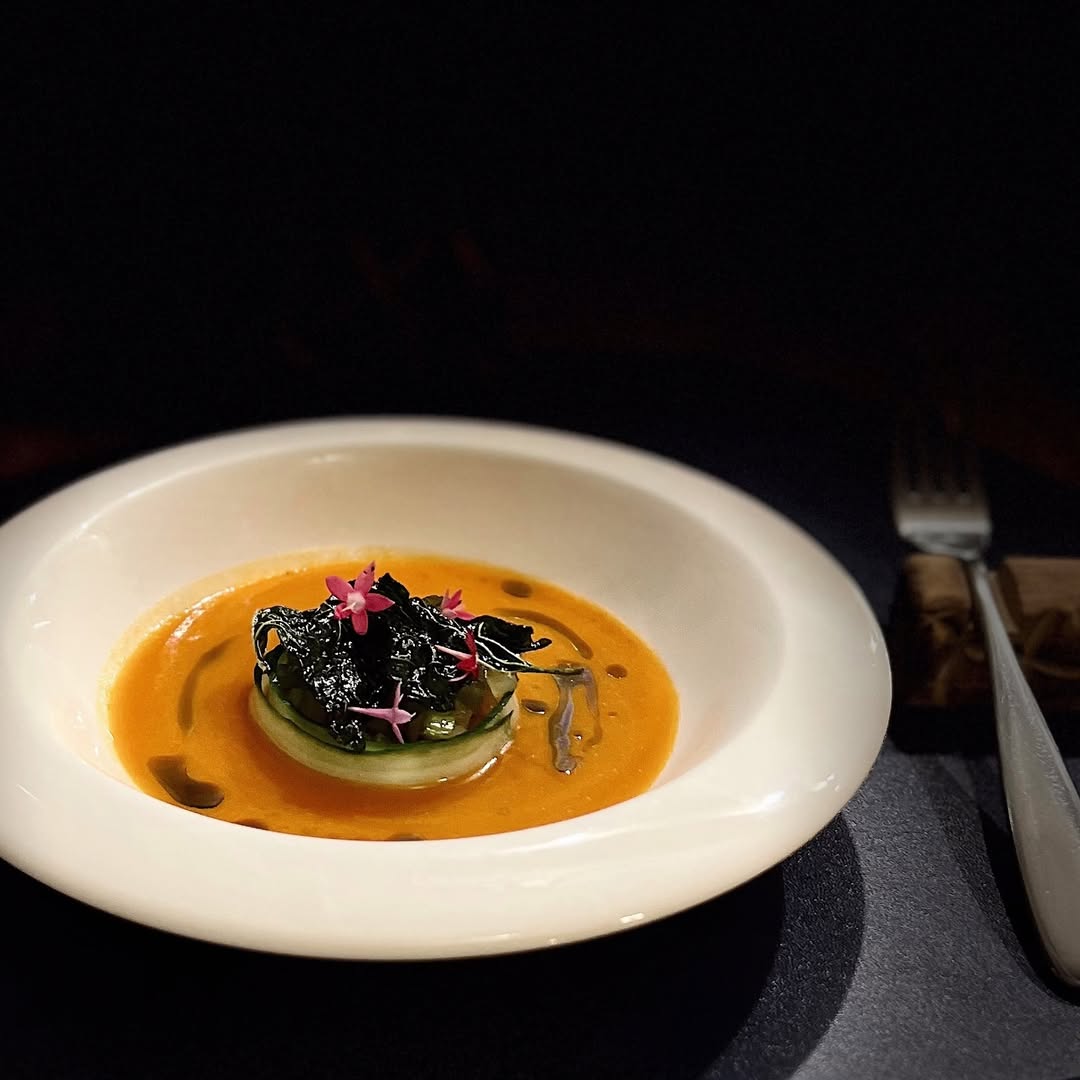
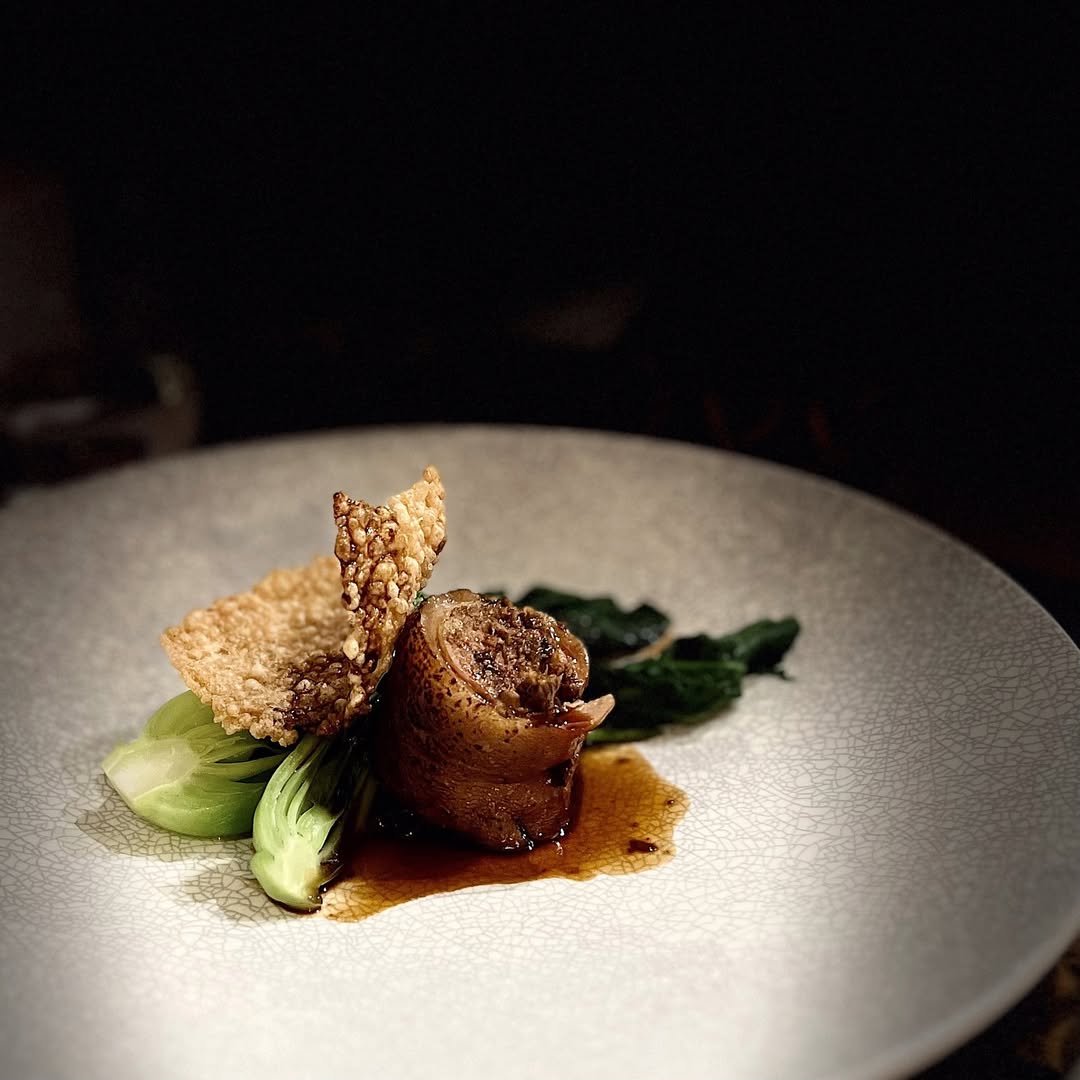
(Photo credit: @xcyy_1217)
2025 Taitung Slow Food Festival
Forage to Table: Feast in the Forest
Gaze up at the forest canopy and look down to learn of the wild vegetables underfoot. We gather humble yet vital plants from the wilderness, and taste the subtle messages they share with us.
Event Site │ Zhiben Forest Recreation Area
Event Date │ October 4–5, 11:00–17:00
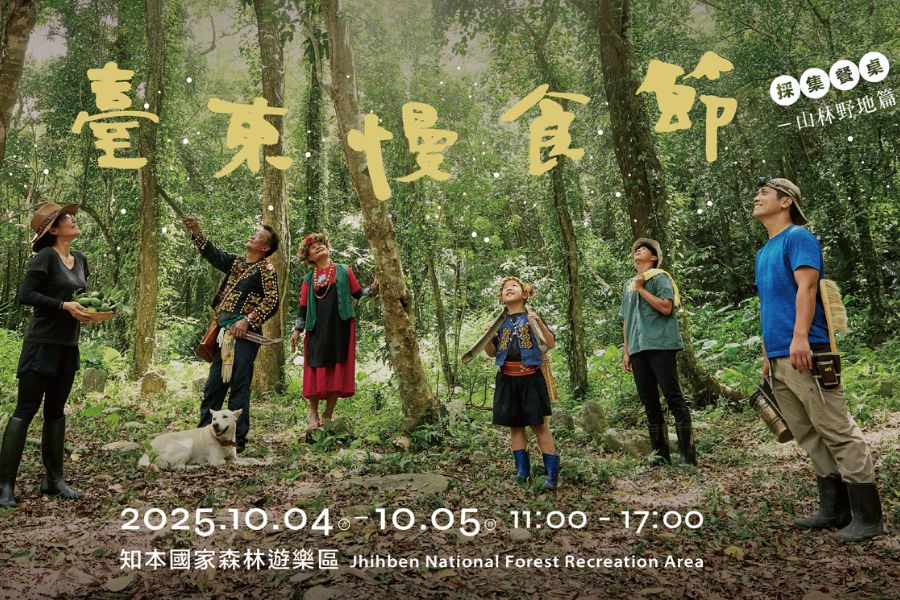
The Taitung Slow Food Festival embodies a lifestyle rhythm that harmonizes with nature, cherishes resources, and preserves local culture and traditions. It reshapes urban and rural development in line with global environmental and sustainability trends. This celebration is not just an annual event but also a catalyst for cultural progress, driving ecological changes across Taiwan and showcasing Taiwan’s commitment and creativity in sustainable development to the world.
