


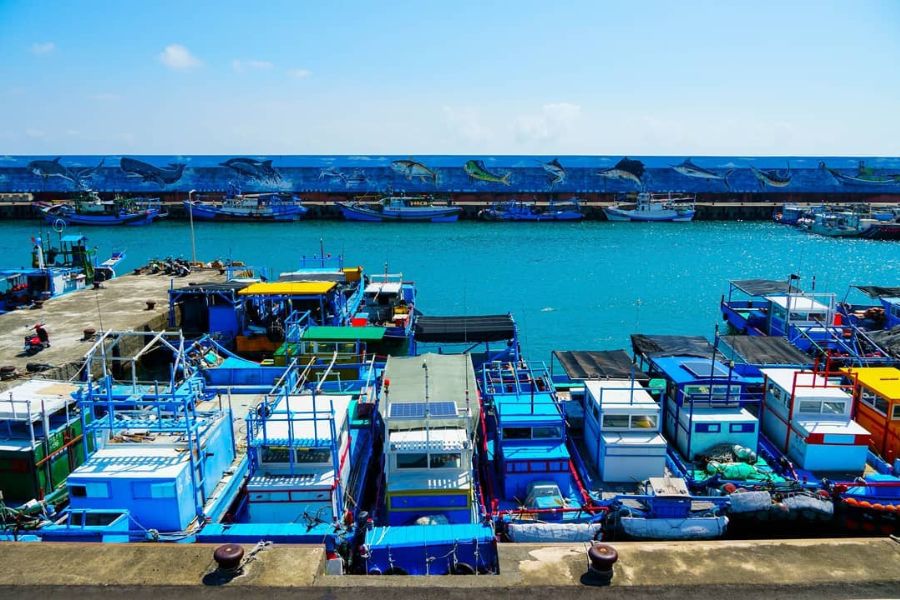
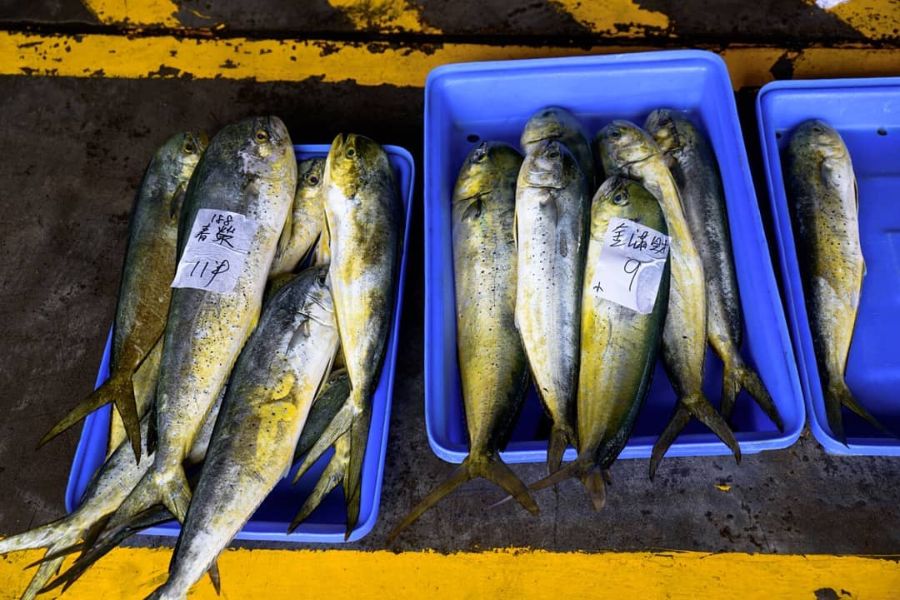
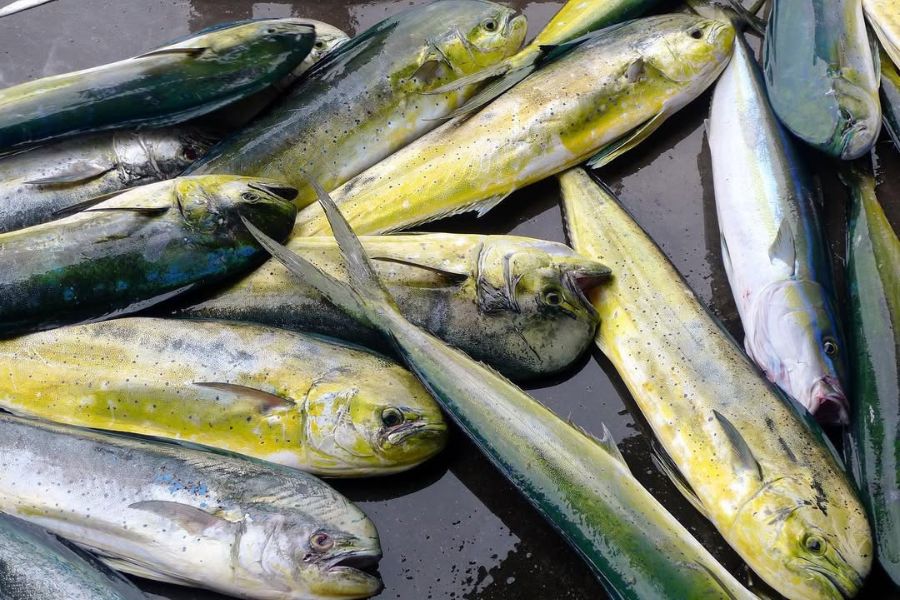
Every year after Qingming Festival, the fish market at Xingang Fishing Harbor takes on a different look. The checkerboard-like walkways once outlined by marlin gradually give way to small golden mounds, each topped with a palm-sized slip of white paper recording its weight. Mahi-mahi arrive in the waters off Taitung with the warm Kuroshio Current, feeding mainly on flying fish, while marlin follow close behind. Together, the three form an ecological chain that migrates with the Pacific. Mahi-mahi approach Taiwan’s eastern waters twice a year. From April to June, they arrive during spawning season, when the fish are especially plump. From September to November, they return with the Kuroshio to hunt flying fish.
(Photo credit: @david_huang_taitung)
The Fastest-Growing Fish
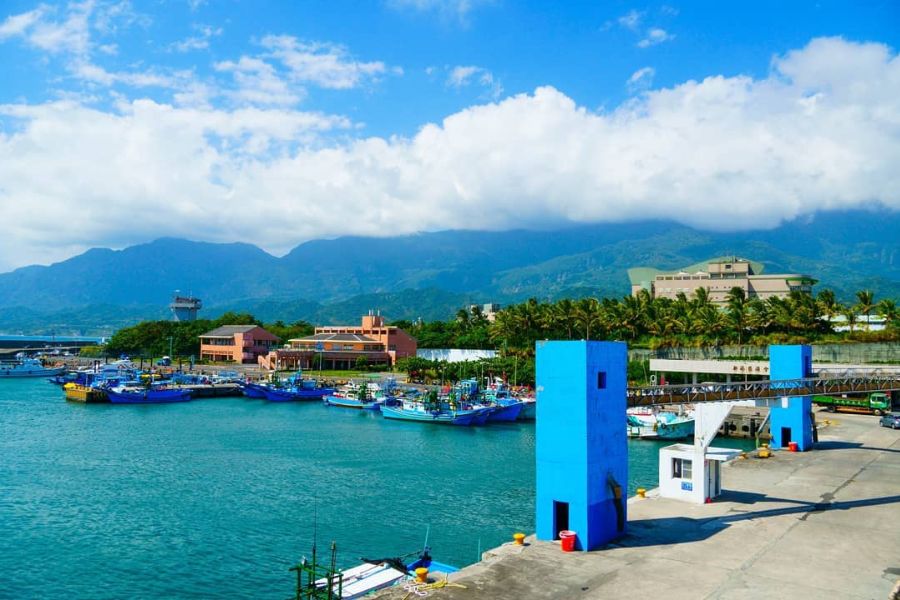
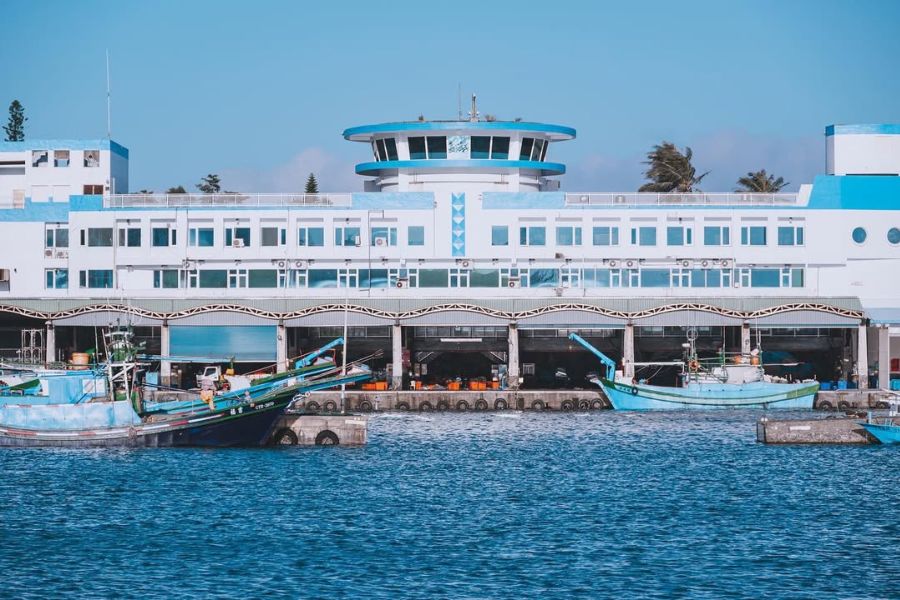
Mahi-mahi are fierce by nature and can swim at speeds of 60 to 70 kilometers per hour, earning them a reputation as the ocean’s swift blade. They grow extremely fast; within six months, they can exceed 60 centimeters in length, reach maturity and spawn at one year old, and complete their life cycle by around four years of age. Because they are constantly swimming, their flesh is firm and springy while remaining low in calories. More importantly, they accumulate relatively low levels of heavy metals, making them a high-quality protein source suitable for consumption. Xingang Fishing Harbor is the largest fishing harbor on Taiwan’s east coast. Around 70 percent of Taiwan’s mahi-mahi catch is concentrated in the eastern waters, and Xingang alone accounts for 35 to 55 percent of the national total, making it the true home ground of mahi-mahi.
(Photo credit: @immeidanao)
(Photo credit: @david_huang_taitung)
Longline Fishing: An Old-School Skill of Letting the Fish Take the Bait
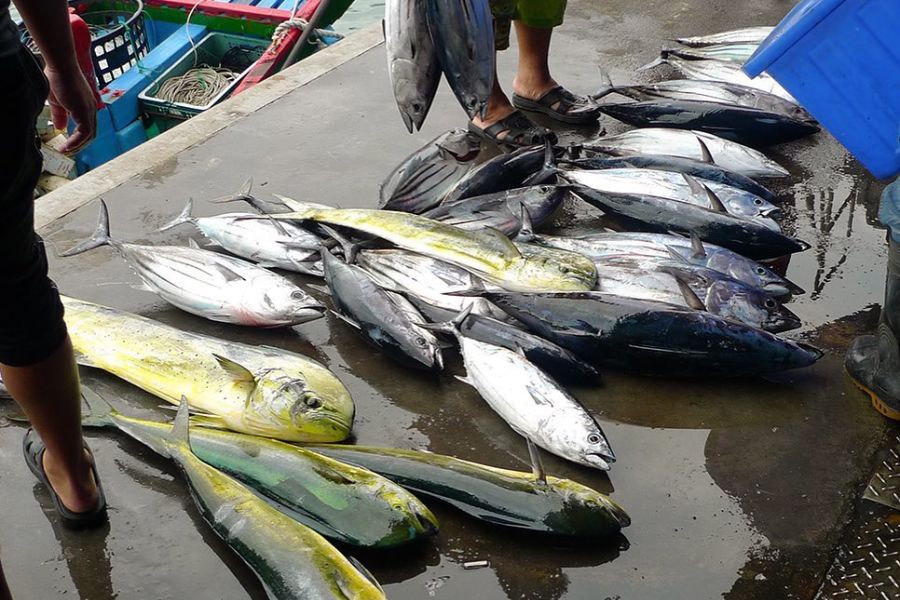
Mahi-mahi are caught using longline fishing, known in Taiwanese as “fanggun.” A main line stretching several kilometers is fitted with branch lines and baited hooks every few meters, while buoys are used to control depth. Captains head out as early as 2 a.m. to secure fishing positions. Longlines must be set more than seven kilometers apart between boats. A small fishing boat usually sets three to five drums of lines, with each drum taking around 20 minutes. The work must be completed before dawn, as daybreak is when mahi-mahi begin feeding. Compared with nets that capture everything in their path, longline fishing is more habitat-friendly and selective. Sea turtles and seabirds caught by accident are released after the lines are cut and hooks removed.
(Photo credit: @fish_for_v)
(Photo credit: @fish_for_v)
From Market Slump to an International Market Pass
More than 90 percent of Taiwan’s mahi-mahi is exported to the United States. Since 2019, low-priced competition from Central and South America has severely affected the market, once pushing prices close to collapse. In 2015, the Xingang District Fishermen’s Association launched an FIP Fishery Improvement Project, with 190 fishing vessels across Taiwan joining the initiative. The goal is to meet MSC sustainable certification standards by 2029. After FIP certification, export prices rose from NT$60 to NT$70 per kilogram to NT$140 to NT$160 per kilogram. In 2022, a self-management agreement was also passed, prohibiting the catch of fish under 50 centimeters in length. Over the past three years, the average annual mahi-mahi catch has reached around 1,900 metric tons, with an annual production value of nearly NT$170 million.
(Photo credit: @huang__wei08)
(Photo credit: Xingang District Fishermen’s Association)
(Photo credit: Xingang District Fishermen’s Association)
Diverse Paths from the Cabin to the Table
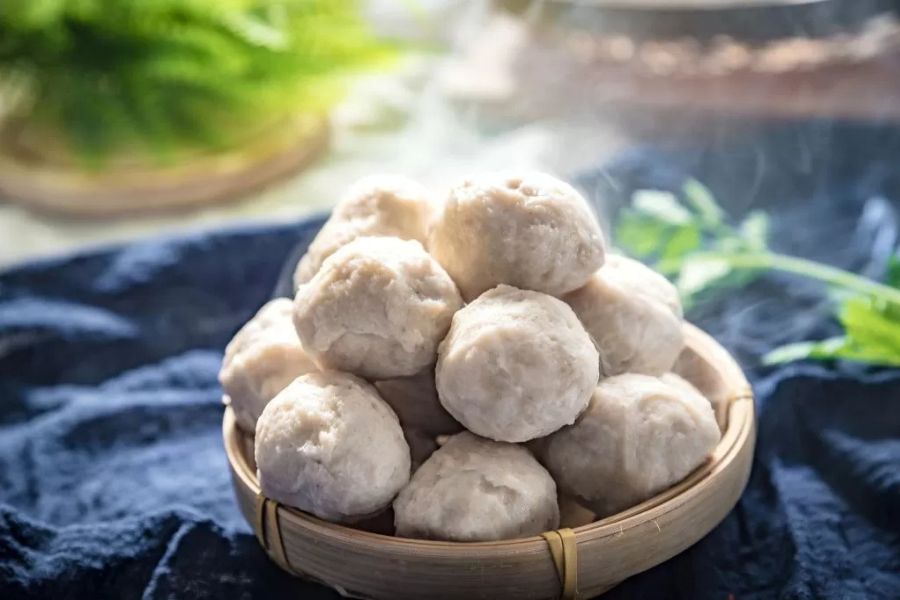
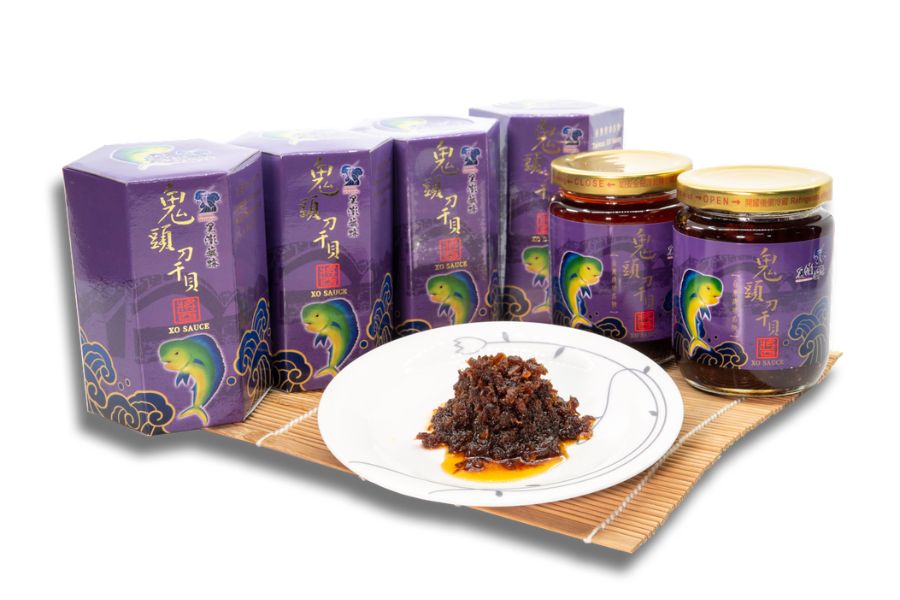
To reduce the risks of relying on a single market, the fishermen’s association launched an aquatic processing plant certified under ISO22000 and HACCP. Under the “Kuroshio Flagship” brand, it has introduced products such as mahi-mahi scallop sauce, fish balls, and fish floss, while also collaborating with a Hualien railway restaurant to launch a limited-edition train bento. In the domestic market, the Taitung County Government has promoted the “Mahi-mahi for Every Classroom” initiative, bringing fresh mahi-mahi into nutritious lunches at elementary and junior high schools across the county, with Beinan Junior High School among the first to serve it. The program not only improves student nutrition but also helps reduce fishermen’s inventory pressure. From the labor of setting longlines to the commitment to friendly fishing methods, and from processing plants to school lunch tables, this golden swift blade is carving out a sustainable route that belongs to Taitung.
