



Key Takeaways
- Taitung produces more than 70,000 metric tons of rice straw each year. Rice straw mats made from this recycled material are now laid over the exposed riverbed of the Beinan River and bare ground at public construction sites to reduce wind-blown dust.
- A straw recycling site in Guanshan Township bales about 300 metric tons of straw per crop cycle for use as crop mulch or woven mats, which can replace the silver-and-black plastic sheeting used to suppress weeds.
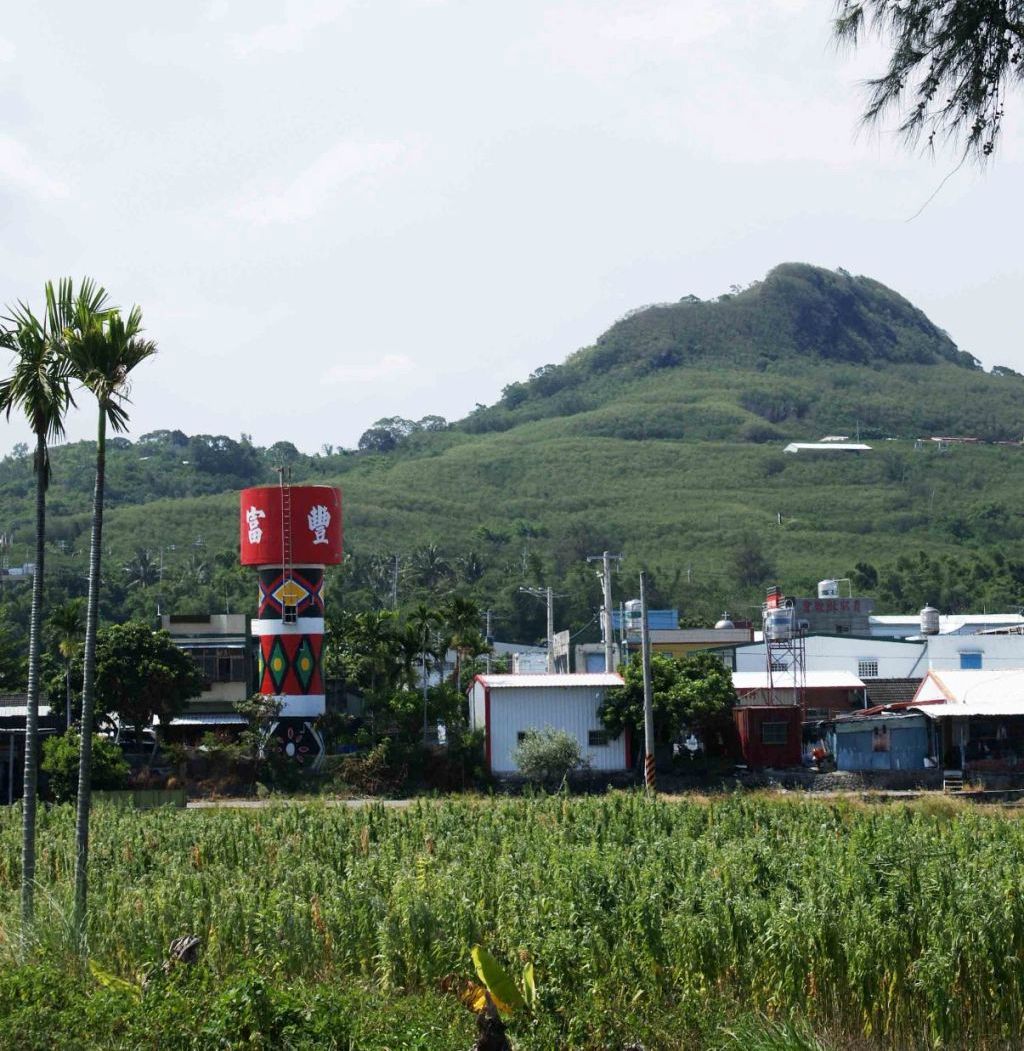
- The Fufeng Community in Taitung City serves as a model for incorporating rice straw into local creativity. The Shishan Tribe combines harvested rice straw with Amis weaving techniques to create good-luck charms and offers DIY workshops for tourists.
Why does Taitung’s rice straw need new outlets?
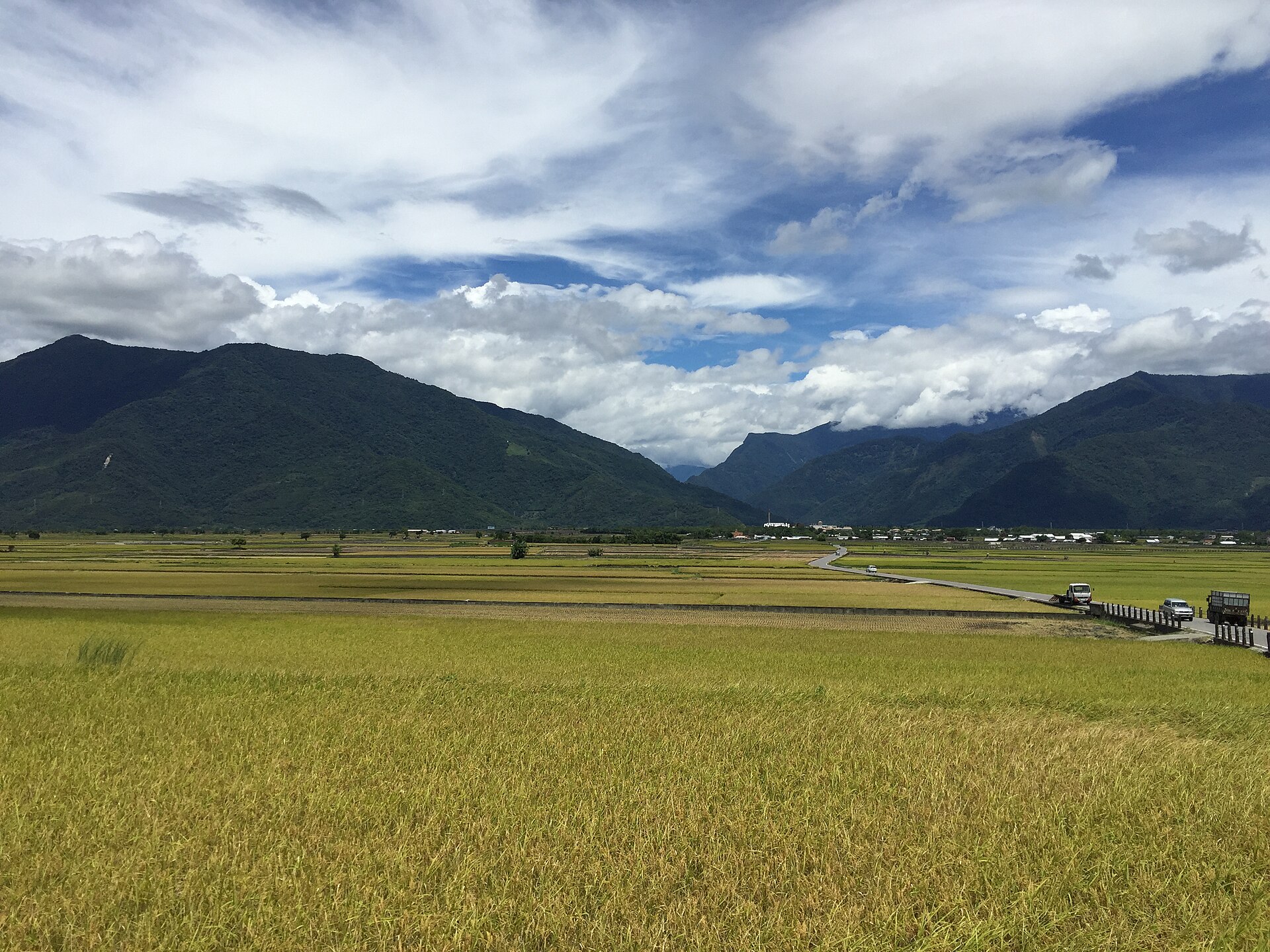
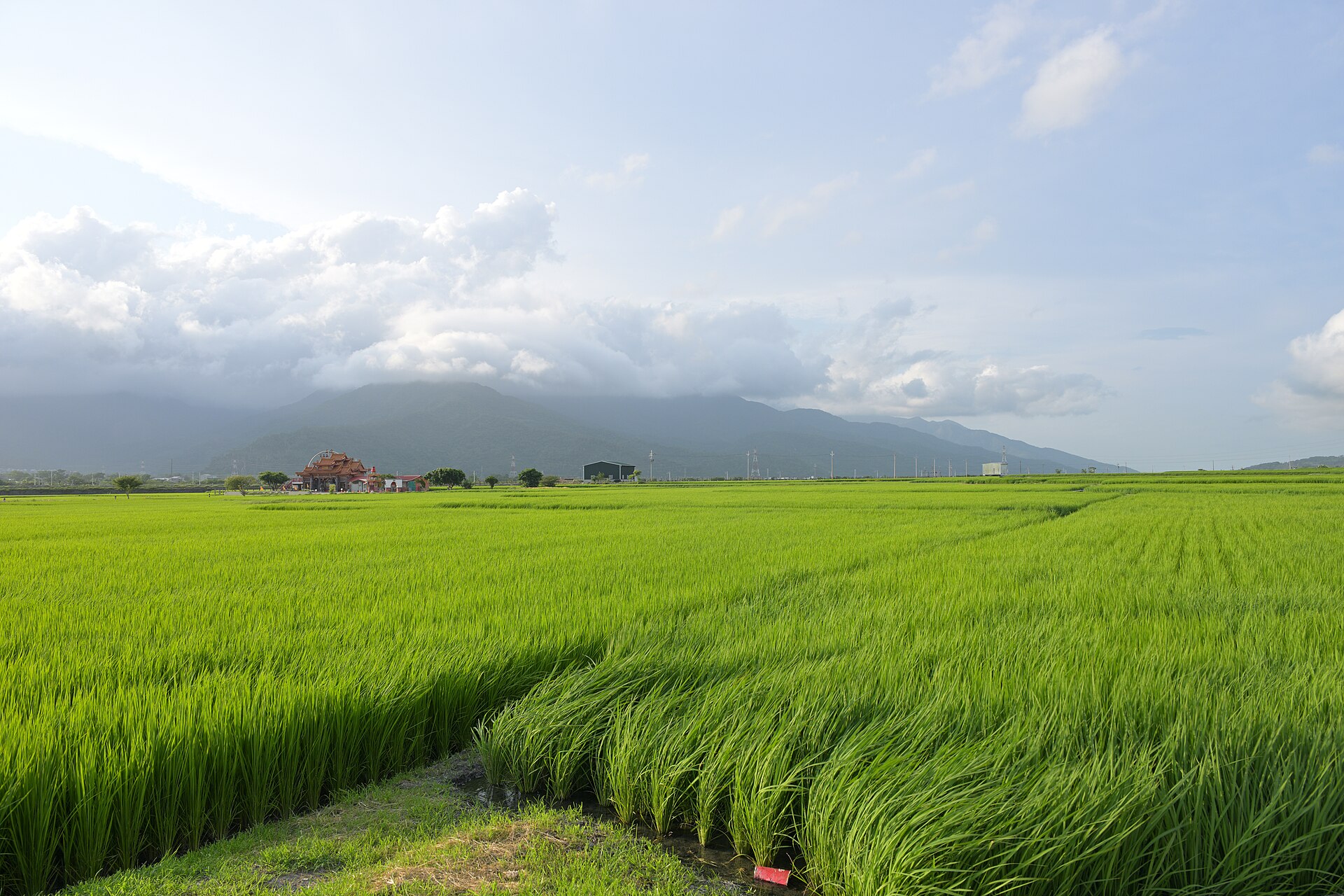
Because the volume of rice straw is massive, the window for processing is short. Rice is the crop with the largest cultivated area in Taitung, with two harvests per year covering approximately 12,000 hectares, leaving behind over 70,000 metric tons of rice straw annually.
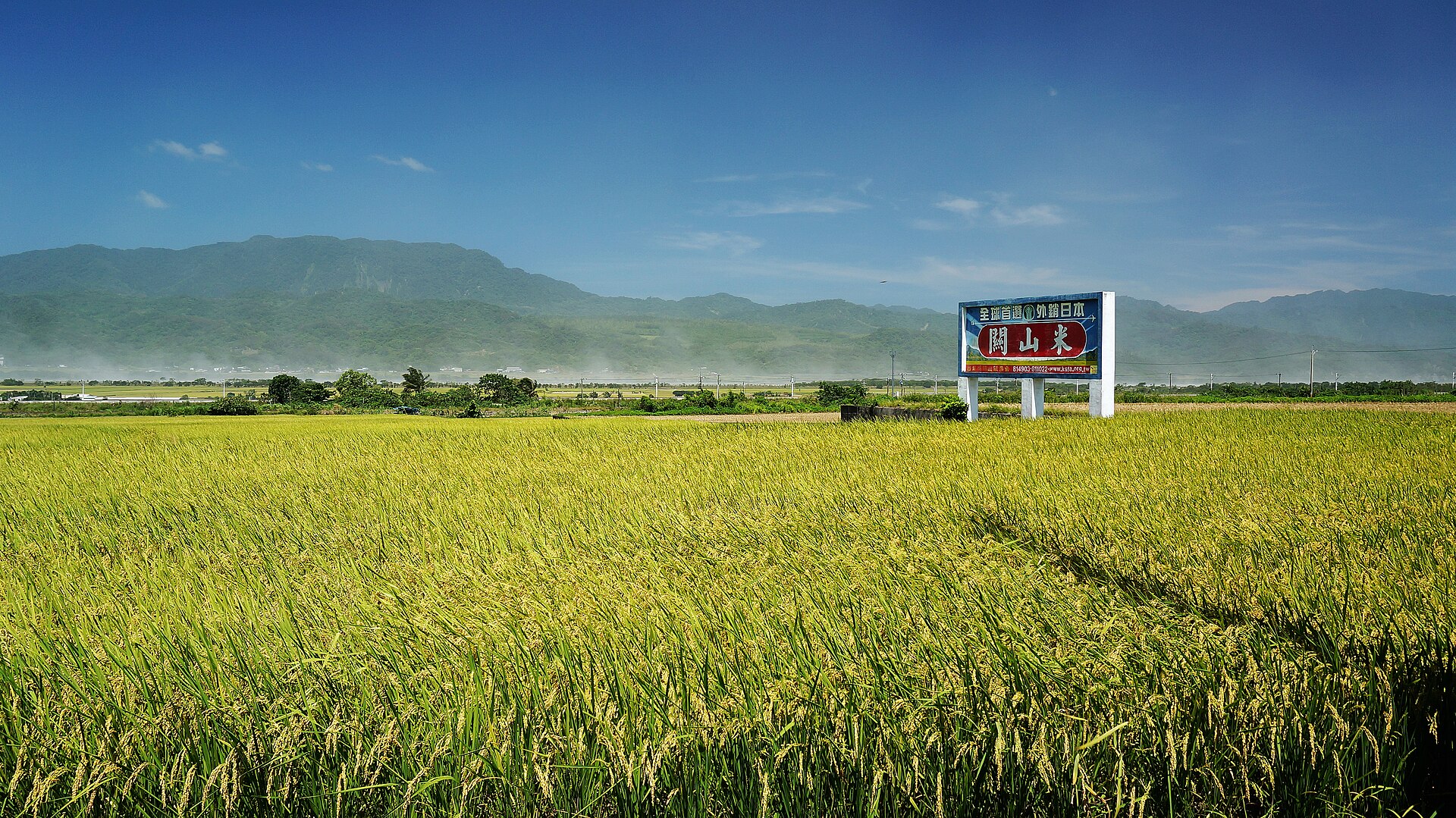
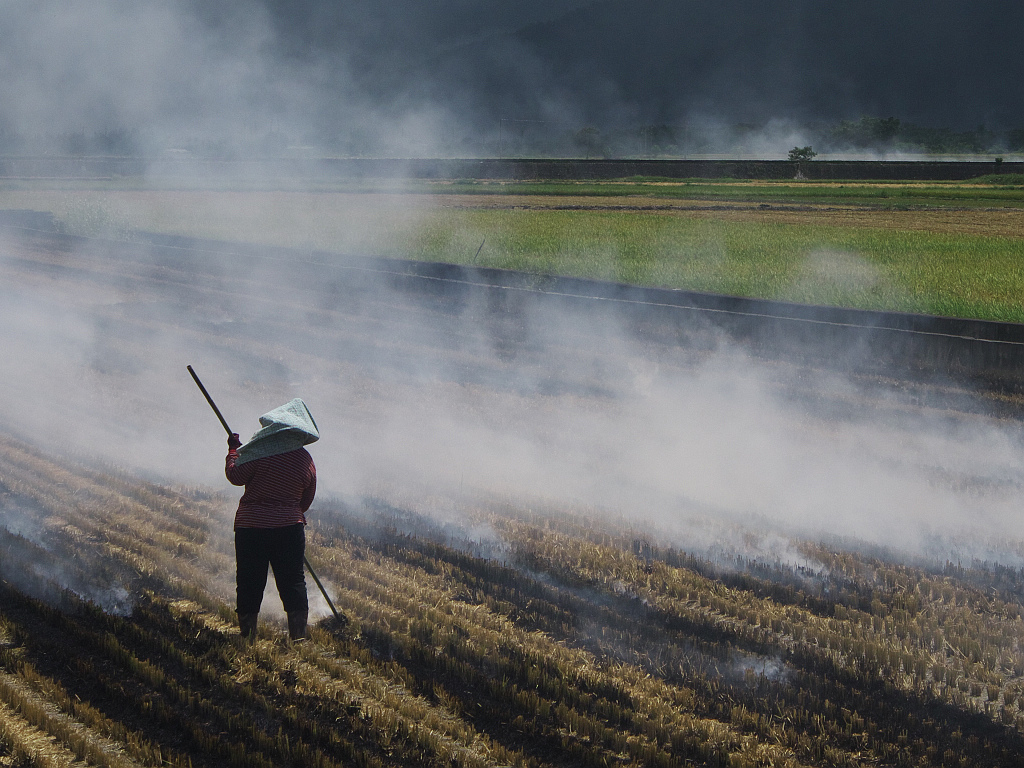
With only a month between the first and second crops, most straw is simply chopped and left in the fields after harvest, at a cost of up to NT$6,000 per hectare. If straw from the first crop does not break down in time, it can cause seedling suffocation and stunt the next crop. Rather than letting the rice straw become a burden, it’s better to find a new use for it.
Straw Mats Lining the Beinan River Bed
The Taitung County Environmental Protection Bureau has turned recycled rice straw into straw mats, which are laid over the exposed riverbed of the Beinan River and bare ground at public construction sites. What was once a residual material requiring disposal has now become a resource for environmental management. Each straw mat serves three purposes:
- Reducing dust: Rice straw mats cover exposed ground surfaces, reducing dust kicked up by strong winds.
- Retaining moisture and warmth: Rice straw mats help retain moisture and temperature at the soil surface.
- Natural decomposition: Made of natural materials, the mats decompose naturally after use.
These same mats also find their way back to the fields. The Taitung District Agricultural Research and Extension Station is guiding a rice straw recycling initiative in Guanshan Township, where, during each growing season, a rice straw baler processes 50 hectares—approximately 300 metric tons—of rice straw for use as crop mulch or to weave into mats. At a straw reuse workshop held in Luye in September 2026, researchers also demonstrated how to use a straw weaving machine to make straw mats as an alternative to the silver-black plastic sheeting commonly used in fields to suppress weeds and reduce herbicide use. Beyond being laid on the ground, straw can also be woven into a token of blessing.

A Bond Forged by a Rope-Making Machine
It is hard to imagine what Japanese-style omamori charms have to do with rice straw. The answer lies in Taitung’s Fufeng Community. Also known as Kakawasan, the Fufeng Community is predominantly inhabited by the Amis people. Over the past century, its residents were relocated twice—once for the construction of a commercial port and once for an air force base—resulting in the loss of their rice paddies. Weaving skills have been passed down for generations, and elders often wove handbaskets and back baskets from shell ginger leaf sheaths during the farming off-season. When Song Bo-fang, chairperson of the Fufeng Community Development Association, set out to promote shell ginger weaving, Song searched for machines that could shorten preparation time and, in Chiayi County, came across a straw rope-making machine that unexpectedly launched a straw rope business. Because rice varieties differ between eastern and western Taiwan, the rope often snapped at first, and it took some trial and error before production ran smoothly. At one point, the community shipped a full container of shimenawa, the sacred straw ropes hung at Japanese shrines, to Japan each year. Building on the shimenawa design, the community now weaves straw collected from nearby farms into good-luck omamori that wish for abundance and a bountiful harvest.
Besides Omamori, what else can be made from the rice straw in the Fufeng Community?
Together with shell ginger and driftwood, straw is also being upgraded into eco-friendly building materials for the home. At the 2026 Taiwan International Interior Design Expo, Kakawasan showcased rigid and soft panels carrying the scent of shell ginger, suspended ceiling panels, and everyday objects such as woven straw wall hangings. Song says the community not only supplies natural raw materials but also has an experienced craft team that can take custom orders. As the weaving industry has taken shape, six families have moved back to the community and started learning in the workshop.
Visit Kakawasan and Weave Your Own Omamori
Local operators have also launched tribal experience tours, attracting hundreds of tour groups each year. Visitors can enjoy the following experiences:
- Tour Kakawasan and take in the countryside at the southern tip of the Coastal Mountain Range.
- Make your own straw omamori and take home a wish for abundance and a good harvest.
- Enjoy a meal of local specialties prepared by the community.
From straw mats along the Beinan River to omamori charms in visitors’ hands, rice straw sets off on a second journey in Taitung once the harvest is over.