


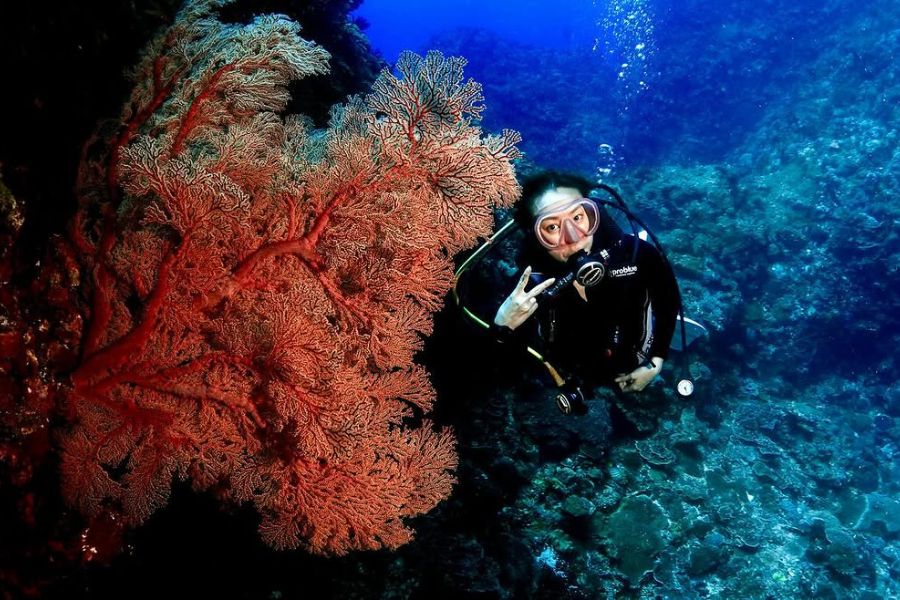
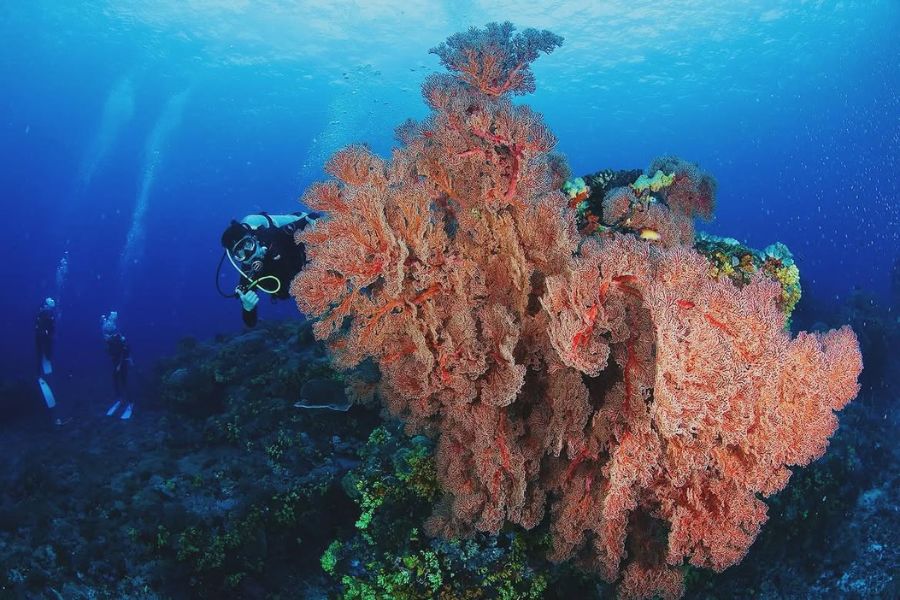
Located 18 nautical miles off the coast of Taitung, Green Island is Taiwan’s fourth-largest island. With the Kuroshio Current flowing past it, an average annual temperature of around 23°C, and clear waters, the island is surrounded by hard substrate and thriving coral reefs, making it one of Taiwan’s important coral reef areas. Often described as an underwater tropical rainforest, this marine ecosystem provides fish with places to live, feed, and reproduce, while also supporting Green Island’s traditional fisheries and, more recently, its tourism industry. However, the island now receives around 300,000 to 400,000 visitors each year. Together with typhoons and abnormal sea temperatures, this has placed considerable pressure on the coral reefs. In the second half of 2024, Typhoon Krathon and Typhoon Kong-rey struck in succession. During the Reef Check survey the following June, most transect lines at Dabaisha, Guiwan, and Shilang showed a decline in hard coral cover. Fortunately, live coral cover at a depth of 10 meters in Guiwan remained as high as 76.9%, showing that the reef still retains strong vitality.
(Photo credit: lookinggoodgina66)
(Photo credit: eric_coffee_)
Planting 500 Corals Back onto the Reef
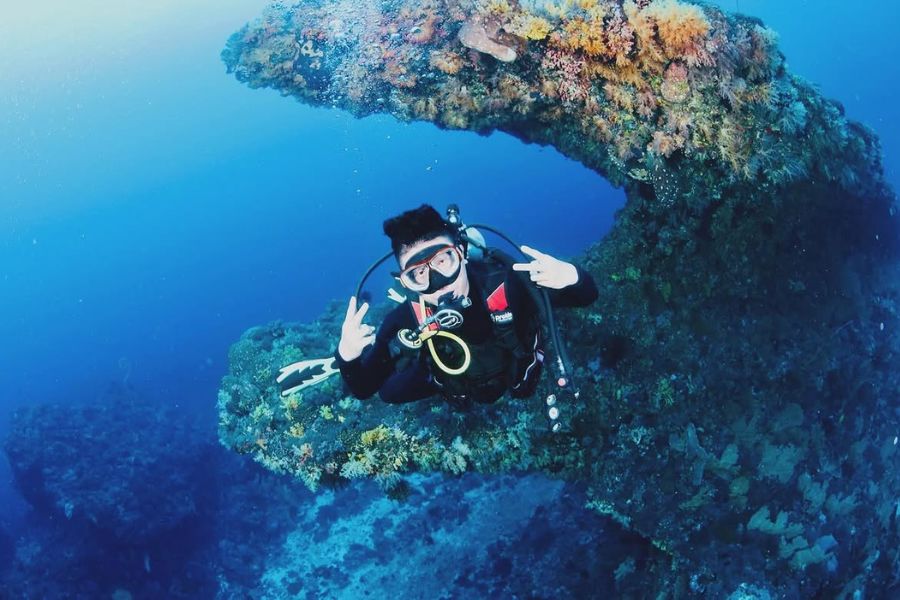
Coral restoration cannot be achieved overnight. In 2022, coral reefs within the Green Island Fishery Resources Conservation Area were damaged when a work vessel involved in the Nanliao Fishing Harbor project dropped anchor on the reef. Beginning that September, the Agriculture Department of Taitung County Government conducted three diving surveys in the Shilang area to document the damage. A grid within the Shilang zone, at a depth of around 12 meters, was eventually selected as the transplantation site. In June 2025, with seawater temperatures at around 29°C, the team used coral transplantation blocks made from calcium carbonate to secure branching, foliose, and massive corals back onto the reef. A total of 500 coral colonies were transplanted, meeting the restoration target.
But the work does not end there. The research team must continue monitoring the site each year between July and September, recording the survival of individual corals and analyzing survival rates using nonparametric statistical methods. In this way, the results of the restoration can be evaluated on a scientific basis.
(Photo credit: eric_coffee_)
Fishermen, Dive Shops, and Scientists Sharing the Same Sea
Protecting this marine environment has never been the work of a single organization. In 2022, the National Science and Technology Council and Academia Sinica established a Long-Term Socio-Ecological Research (LTSER) Taiwan core observation site at the Green Island Marine Research Station. In early 2024, this effort also led to the Green Island Marine Ecological Restoration Initiative, creating new possibilities for fisheries and tourism to coexist. Research teams deployed oceanographic and meteorological monitoring buoys near Gongguan in the north and Guiwan in the south, providing real-time data on water temperature and currents.
(Photo credit: hungood_)
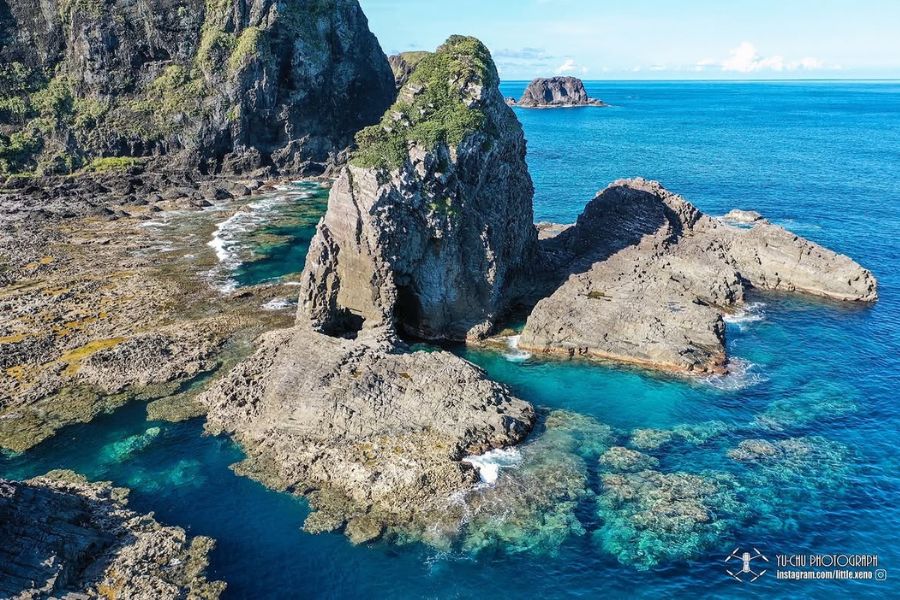
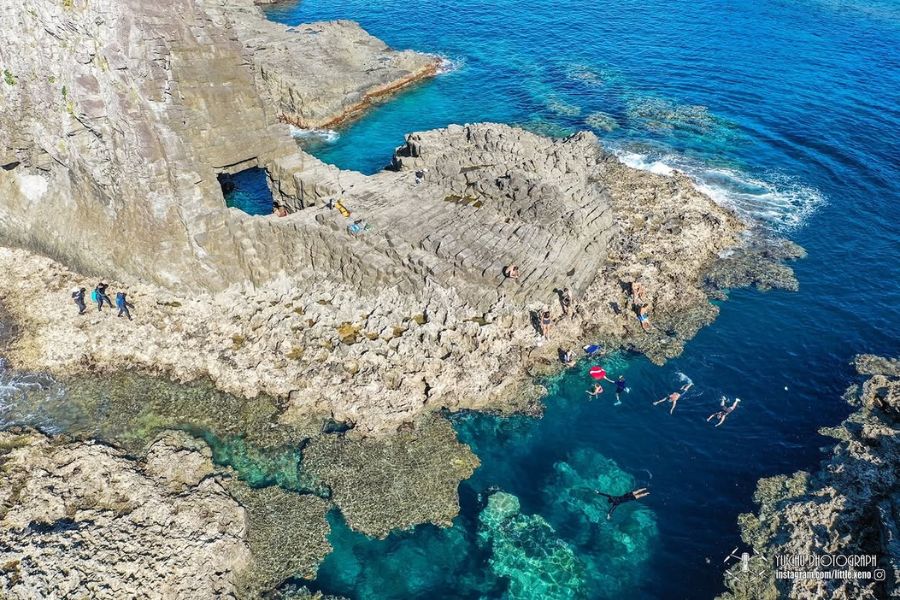
(Photo credit: little.xeno)
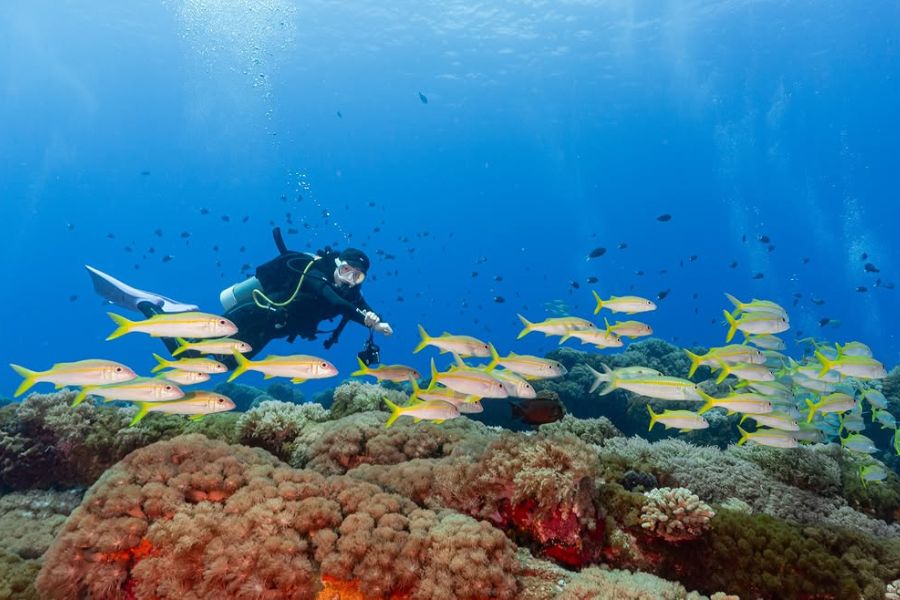
Blue Safari Diving Center has also supported the annual Reef Check surveys for years. Volunteer divers enter the waters around Dabaisha, Guiwan, and Shilang to document changes in corals and fish. On one occasion in Guiwan, they even encountered a group of around 16 bumphead parrotfish. On the fisheries side, local fishermen’s associations have worked with the Taiwan Ocean Conservation and Fishery Sustainability Foundation to promote catch landing declarations. Over time, these records are building a long-term dataset for local fisheries, turning the results of each fishing trip into another clue for understanding the surrounding sea.
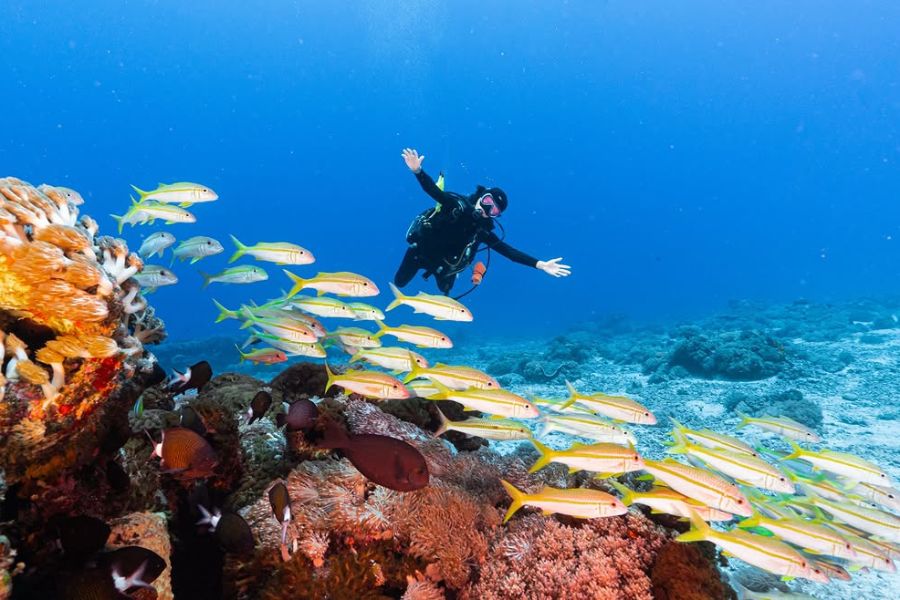
(Photo credit: hungood_)
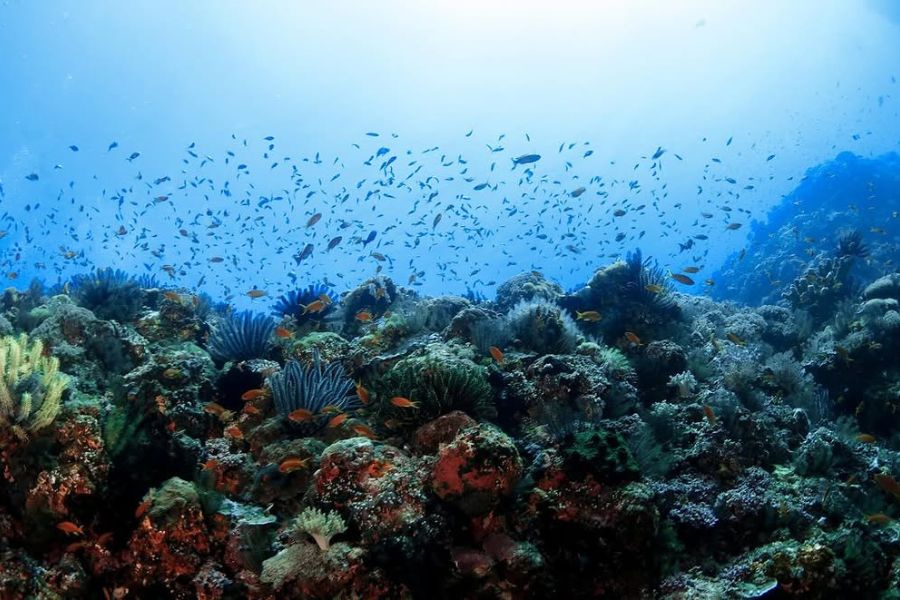
(Photo credit: lookinggoodgina66)
Bringing Good Intentions into the Water
Tourism and conservation do not have to be in conflict. When diving or snorkeling, simple actions can greatly reduce disturbance to coral reefs: do not step on corals, avoid stirring up sediment, keep an appropriate distance from the reef, and use reef-safe sunscreen. If coral bleaching is spotted underwater, visitors can also report coral health through the iOcean marine conservation platform and take part in citizen science. From quarterly water-quality monitoring at wastewater treatment facilities to the marine conservation patrol officers soon to be introduced on Green Island, these seemingly small actions are gradually connecting into a long-term network of protection for this blue world.
