


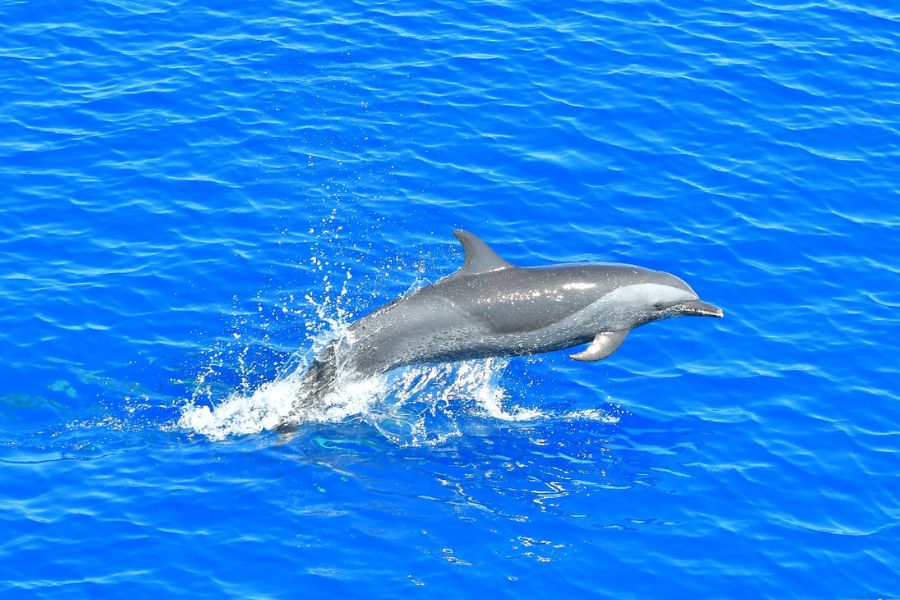
More than 30 species of cetaceans have been recorded in the waters off eastern Taiwan, accounting for nearly one-third of the world’s known species. Over 20 of these species can be found in the waters off Taitung, including spinner dolphins, Risso’s dolphins, pantropical spotted dolphins, and bottlenose dolphins, as well as occasional sightings of sperm whales and humpback whales. However, as whale-watching activities have continued to grow, prolonged close approaches by vessels and noise disturbance have caused cetaceans to gradually move farther offshore. In response, the Ocean Conservation Administration released the Friendly Whale Watching Guidelines for Taiwan Waters, while the Taiwan Cetacean Society has promoted interpretive training programs and the WhaleFinder App, transforming whale watching from simply chasing animal sightings into a marine experience that follows the rhythm of nature.
(Photo credit: Jin-Ling Whale Watching)
(Photo credit: Jin-Ling Whale Watching)
Jin-Ling Whale Watching Sets Sail for the Pacific
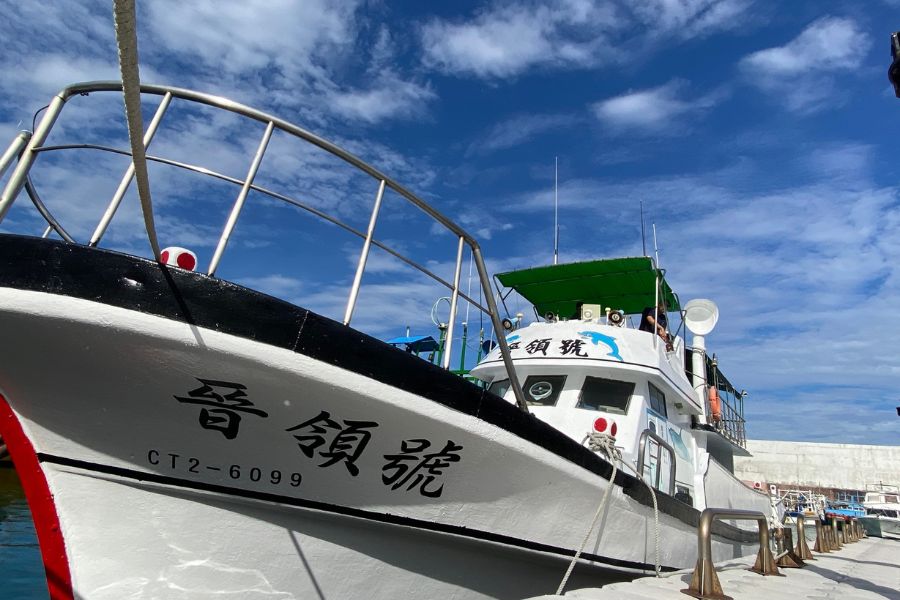
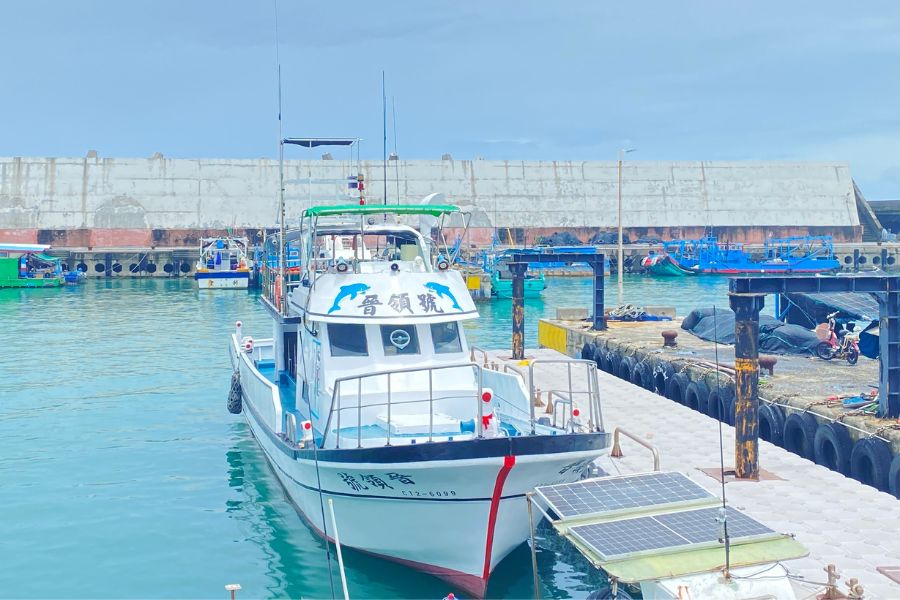
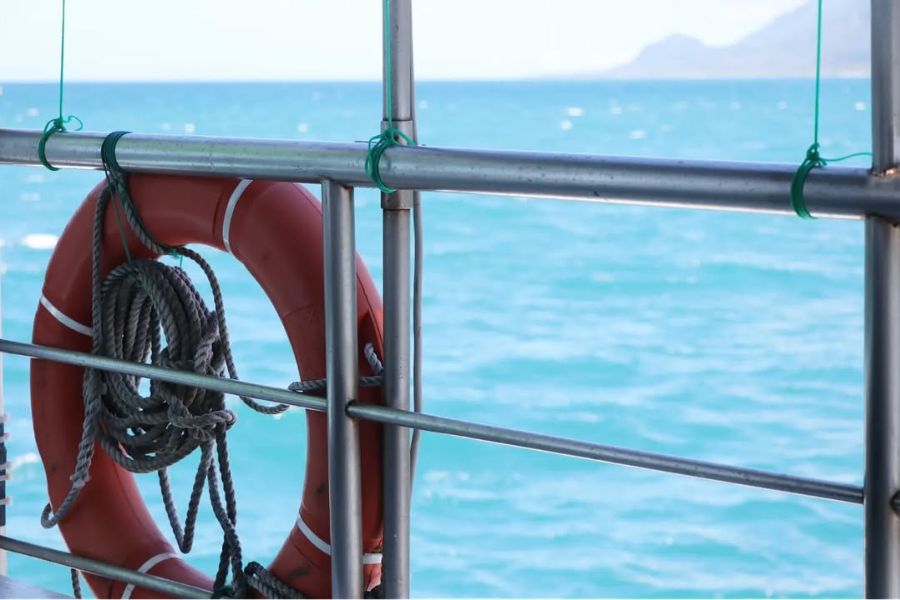
Located in Chenggong Township, Jin-Ling Whale Watching is a representative operator promoting responsible whale watching in Taitung and has held whale-watching certification since 2008. Having grown up along the East Coast, the captain has turned a lifelong passion for the ocean into action. Each voyage begins with an onshore briefing, introducing travelers to cetacean species and identification methods. Once at sea, experienced captains provide live interpretation, explaining eastern Taiwan’s ocean currents and marine ecosystems. In the waters off Chenggong, the cetacean sighting rate reaches 80–90 percent, with trips lasting approximately 2 to 2.5 hours. The best whale-watching season runs from May to October each year. Jin-Ling Whale Watching adheres strictly to a no-chasing policy and received the one-star GTS Green Travel Label in 2024, followed by Silver-level recognition in 2025, making each voyage a journey of both learning and inspiration.
Booking Information
For booking details and the latest updates, please visit Jin-Ling Whale Watching’s official channels below.
(Photo credit: Jin-Ling Whale Watching)
Marine Environmental Education Center:
A Starting Point for Understanding the East Coast
After returning to land, visitors can continue their ocean exploration at Chenggong Marine Environmental Education Center, located beside the fishing port in Chenggong Township. Established by the East Coast National Scenic Area Administration, the center features a complete skeleton specimen of a pantropical spotted dolphin, along with interactive whale and dolphin videos and sound experiences, offering in-depth insight into the ecology and behavior of cetaceans commonly found along the East Coast. The center also includes a Chenggong Marlin Culture Zone, introducing migratory fish species, types of marlin, and traditional fishing gear and methods, presenting Chenggong’s distinctive fishing culture. Outdoors, visitors will find large-scale 3D marlin floor paintings and a simulated harpoon-fishing platform, where they can step onto the stage and experience this local intangible cultural heritage, sensing the adventurous spirit of fishermen facing the open sea.
(Photo credit: @f091451)
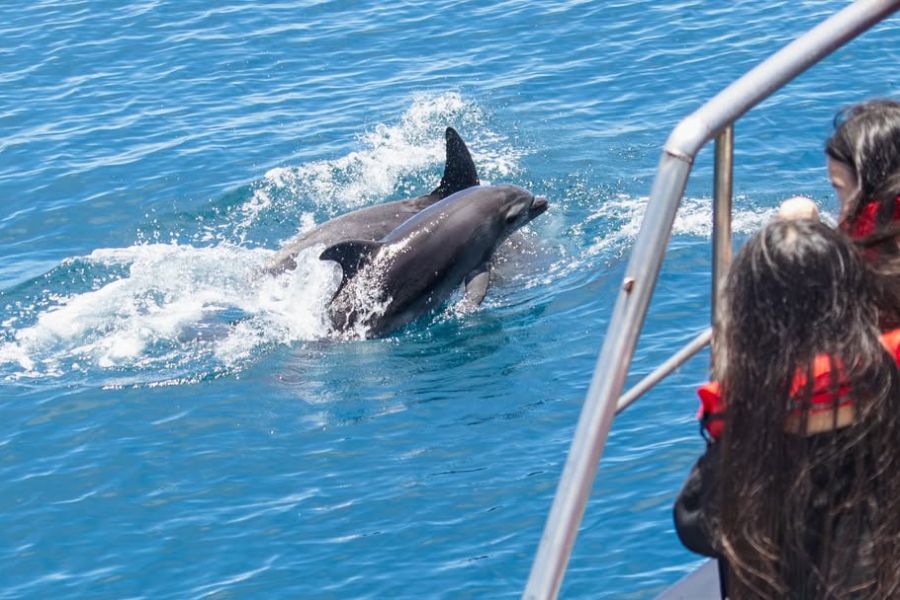
(Photo credit: @m6990400)
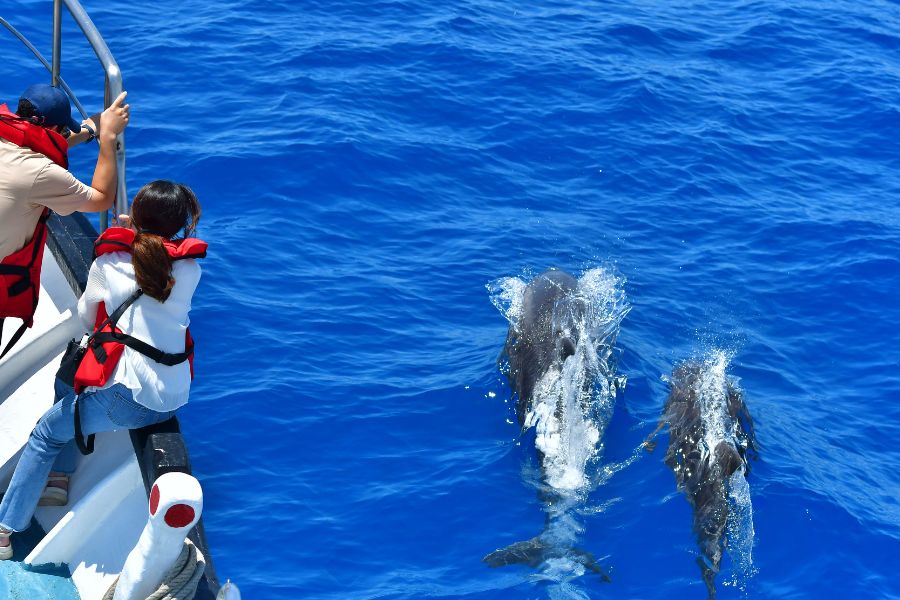
(Photo credit: Jin-Ling Whale Watching)
Free Guided Tours and Diverse Programs
The Marine Environmental Education Center offers two free guided tours daily, at 10:00 a.m. and 1:30 p.m., and provides customized environmental education courses and DIY experiences for groups of ten or more. Whether families hoping to introduce children to marine ecology or international travelers interested in ocean-related topics, this center serves as an ideal place to learn about Taitung’s coastline, extending the whale-watching experience from sea to shore and offering a more complete sense of knowledge and inspiration.
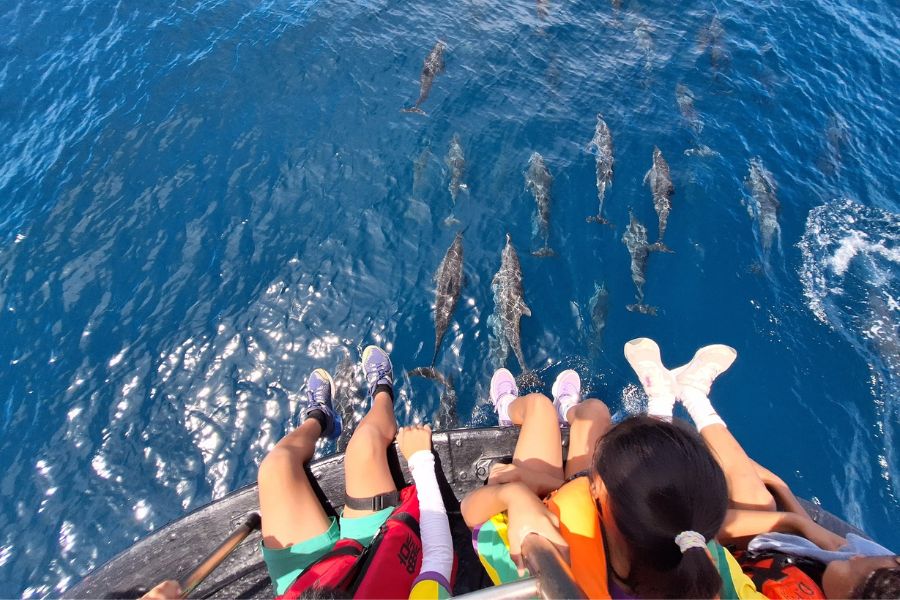
(Photo credit: Jin-Ling Whale Watching)
From the responsible whale-watching voyages of Jin-Ling Whale Watching to the ecological interpretation at the Marine Environmental Education Center, Taitung’s East Coast offers diverse ways to connect with the ocean. Beyond its magnificent mountain-and-sea landscapes, the region is rich in fishing village culture and ecological stories, inviting travelers to a whale-finding mission where sightings cannot be guaranteed, yet the experience is well worth anticipating—one guided by respect for nature.
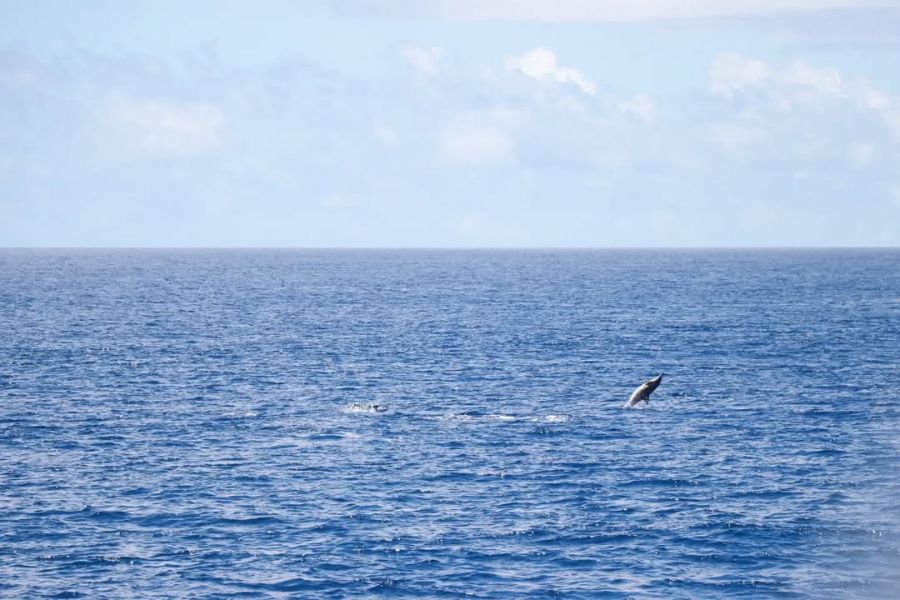
(Photo credit: @f091451)
