


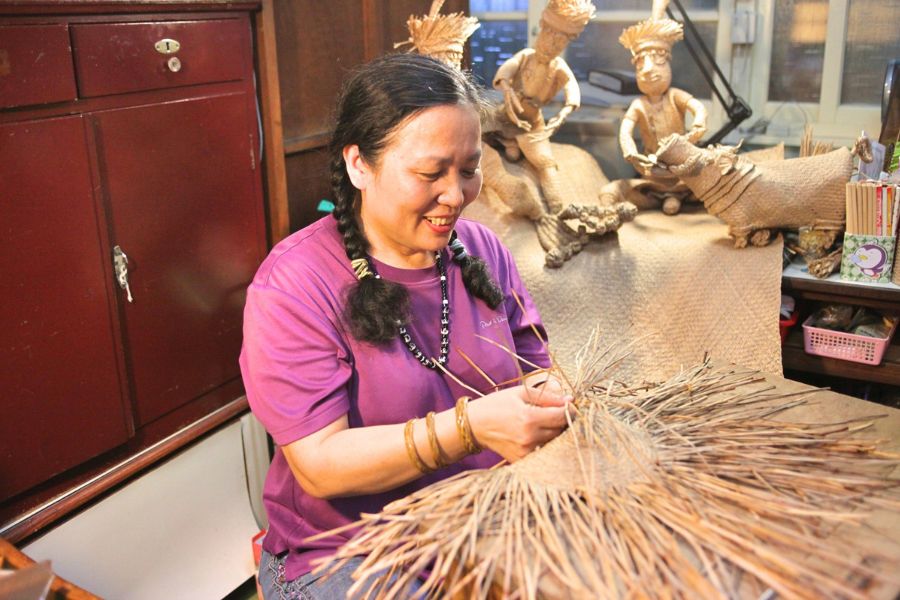
The history of rush weaving in Taiwan can be traced back to 1727 during the Qing Dynasty. Pingpu indigenous women gathered wild rush along the lower reaches of the Daan River, dried and flattened the plants, and wove them into everyday items such as sleeping mats and livestock halters. As Han settlers gradually arrived and cultivated the land, they learned and improved these weaving techniques, and rush weaving slowly developed into a local industry.
In an era when it was widely said, “A woman who can weave a rush mat is worth more than three able-bodied men,” rush weaving was not only a daily skill but also an important source of income for rural women supporting their families. During the Japanese colonial period, Taiwan’s annual production of rush hats once reached 16 million pieces, making it the island’s third-largest export product after sugar and rice. A testament to how deeply the craft was woven into everyday life.
(Photo credit: Taitung County Government)
(Photo credit: Taitung County Government)
A Durable Natural Material in Daily Life
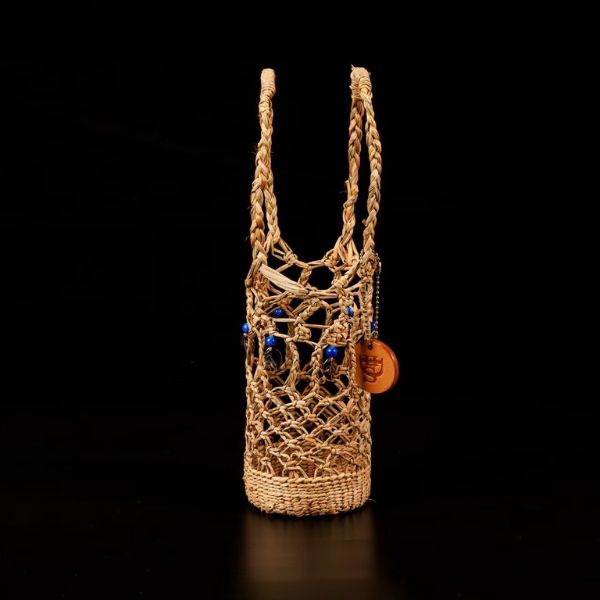
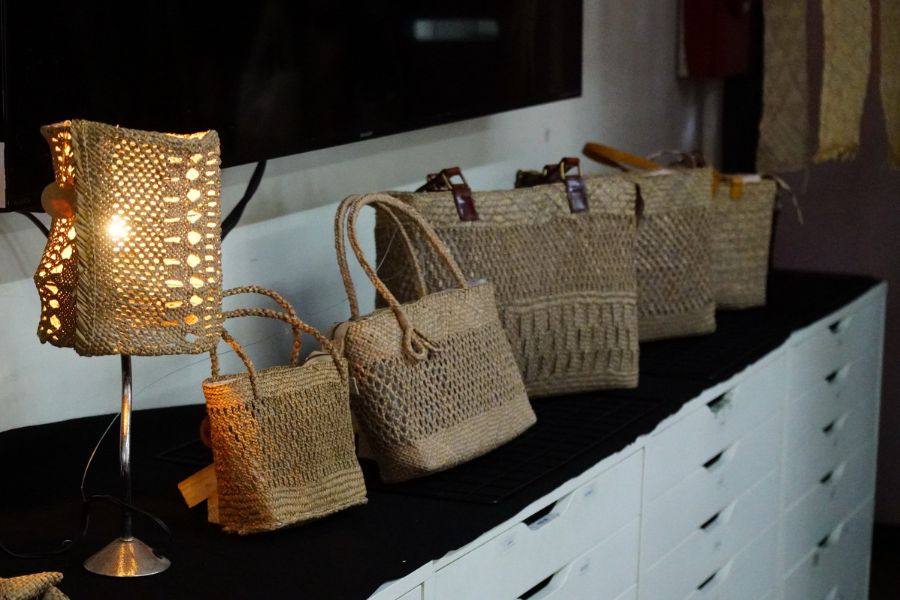
Rush is known for its fine yet resilient texture and its ability to absorb moisture while remaining breathable. After being sun-dried, it turns a warm golden color and releases a natural grassy fragrance. Its exceptional malleability makes it suitable for weaving into mats, hats, bags, and storage items that are both practical and visually appealing.
Many people mistakenly assume that rush is similar to straw and easily decays, but rush products are actually highly durable. A single woven mat can last for decades without damage. These qualities made rush weaving an essential household craft in early Taiwanese life. From mats and hats to various everyday objects, rush weaving was not merely confined to the realm of decorative craft but a practical tradition deeply rooted in daily living.
Rediscovering Rush Weaving After Half a Century
Lin Huang-Jiao, born in 1932 in Qingshui, Taichung, was taken in as a child bride at a young age and learned the fundamentals of rush weaving from her mother-in-law, including splitting the rush, adding strands, and finishing the edges. In 1954, after moving with her family to Taitung, she set aside weaving for nearly 30 years while raising five children.
At the age of 52, in her spare time while helping at her son-in-law’s Lion King Hotel, she returned to rush weaving. She began by creating bags and hats and gradually expanded into three-dimensional figures such as monkeys and chicks. Although she never learned to read or write, her strong imagination allowed her to create remarkable works. Over the course of nearly a year, she wove a series of 24 pieces based on the Twenty-Four Filial Exemplars, followed by other themed works such as Eight Immortals Crossing the Sea and the Chinese Zodiac.
(Photo credit: Taitung County Government)
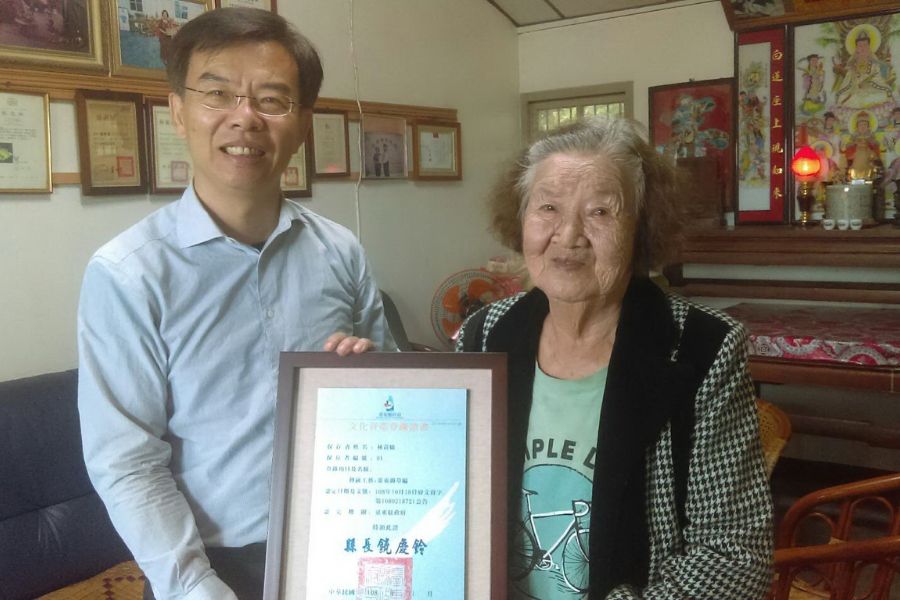
Her Zodiac series received a merit award in the crafts category at the 51st Taiwan Provincial Fine Arts Exhibition in 1997. She later won several honors, including the National Crafts Award and the Dadun Crafts Master recognition. In 2019, the Taitung County Government officially registered “Taitung rush weaving” as a traditional craft cultural asset and recognized Lin Huang-Jiao as its preserver, acknowledging her contribution to elevating rush weaving from practical craft to artistic expression.
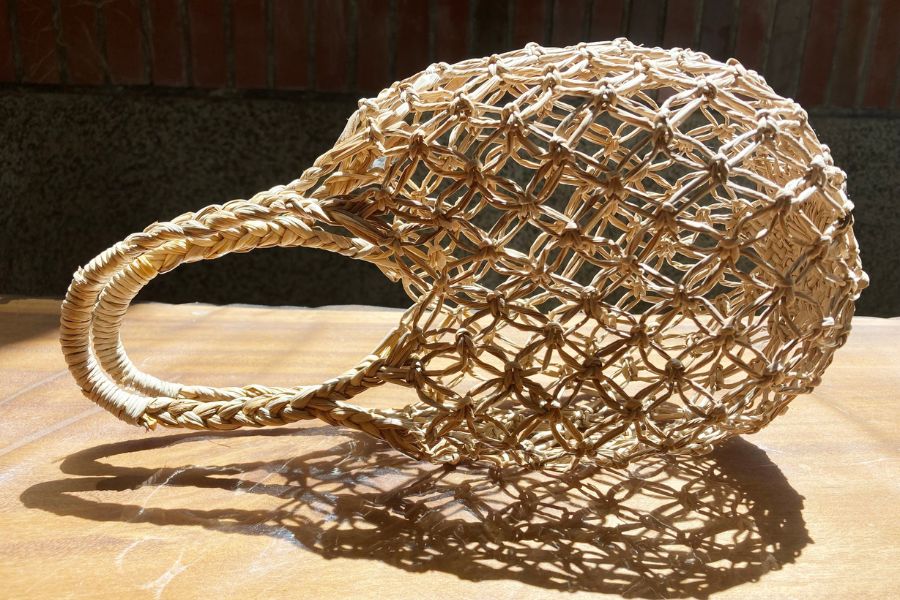
(Photo credit: Taitung County Government)
Passing on the Craft in Eastern Taiwan
Zheng Mei-Yu, a student of Lin Huang-Jiao, was originally a junior high school biology teacher. After encountering rush weaving in 1994, she dedicated herself entirely to the craft. Inspired by the daily life of farming and fishing communities in Taitung and by Indigenous cultures, she created works depicting themes such as the traditional plank canoe of the Tao people and the Saisiyat Pasta’ay ritual.
Her works have received recognition at exhibitions such as the Nanying Fine Arts Exhibition and the National Crafts Award. Zheng also developed her own teaching method using mnemonic weaving formulas, helping beginners learn the craft more easily.
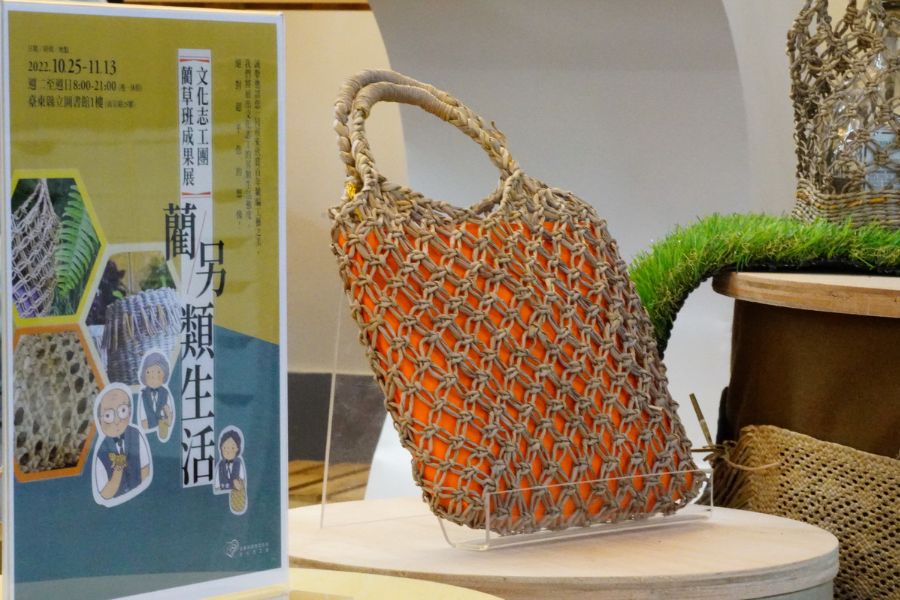
(Photo credit: Taitung County Government)
In 2005 and 2006, she established rush weaving classes at Taitung Prison and Green Island Prison. In 2015 she returned to teach again at correctional institutions, using craft to help rehabilitating inmates acquire a practical skill.
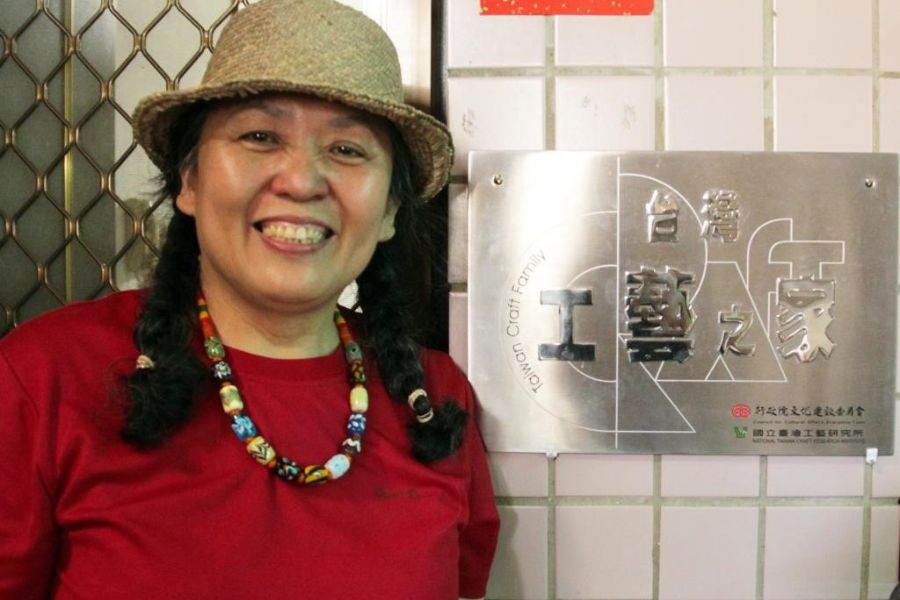
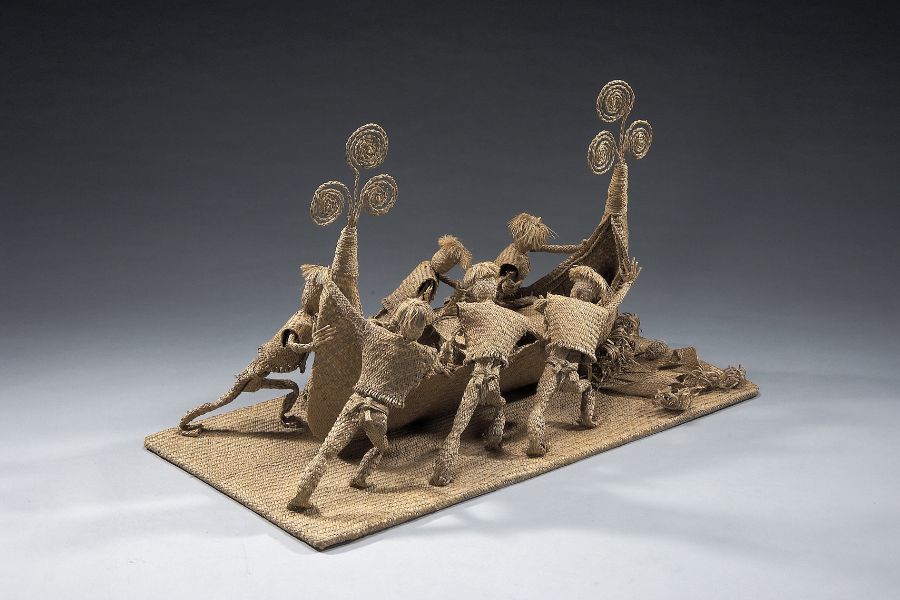
(Photo credit: Taitung County Government)
After retiring, she founded the Zheng Mei-Yu Rush Weaving Studio. Through exhibitions and hands-on workshops, she continues to promote rush weaving and ensure that this traditional craft, rooted in Taitung, continues to be passed on to future generations.
