


In 1964, Mr. Chen Liu-chiu of the Rukai people moved with his family from Kucapungane (Haocha Village) in Wutai Township, Pingtung, trekking across mountains and eventually settling in Jialan Village, Jinfeng Township. In the early years, the family could only live in simple temporary shelters made of forest timber, but Chen always longed for the traditional slate houses of his homeland. His eldest son, Chen Tien-hsiang, traveled repeatedly between Pingtung and Taitung in search of suitable stone. He eventually found fragments in a landslide area and built a traditional Rukai-style slate house in a region of Jialan Village where sisal was once planted. At that time, mail addressed simply to “Owner of the Slate House, Tungjinjia (Taitung Jinshan Jialan)” would still find its way—proof of how iconic this slate house was.
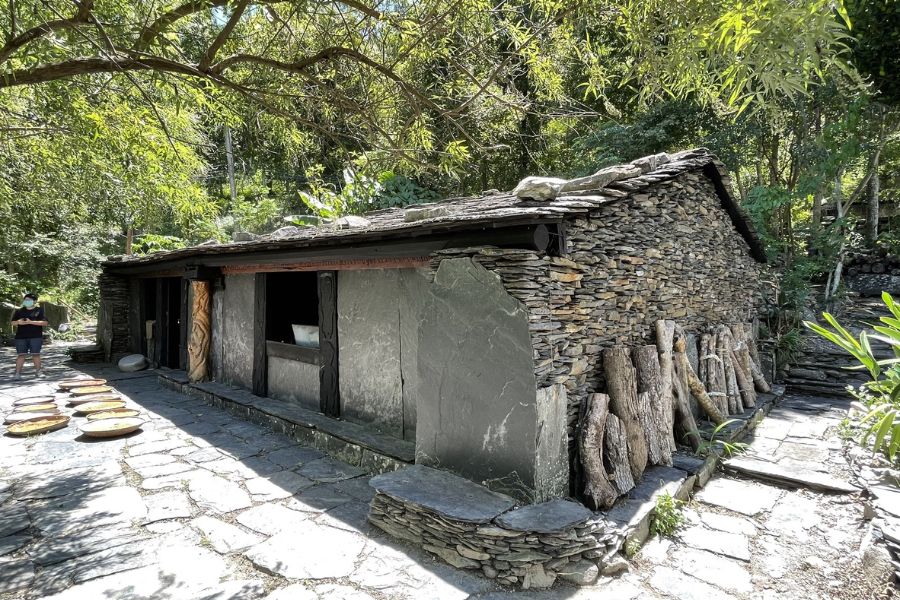
(Photo credit: Taitung County Government)
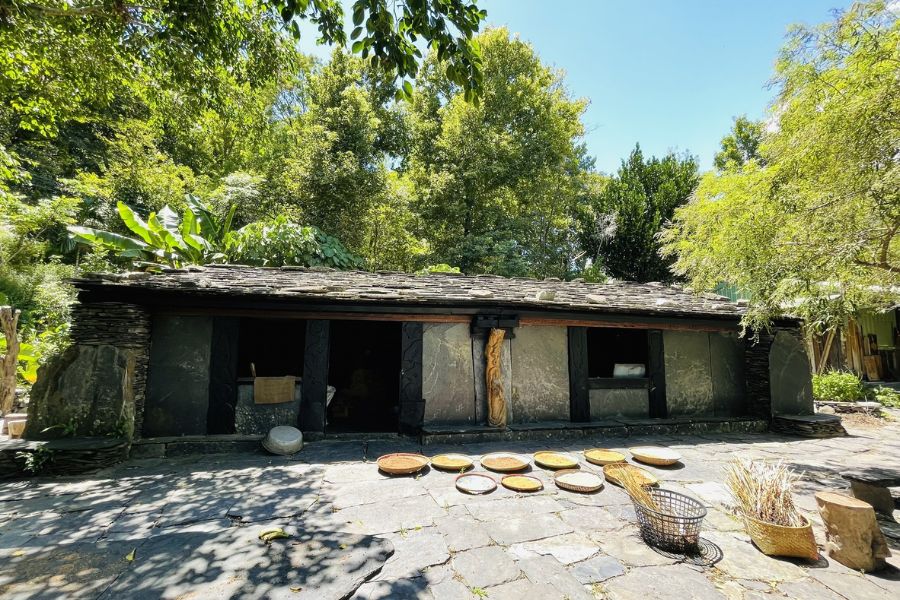
(Photo credit: Taitung County Government)
Memories Carried by Stone
In 1982, as part of an old-house improvement policy promoted by the Jinfeng Township Office, many thatched houses and traditional dwellings were renovated or rebuilt, and the slate house was demolished. Whenever gatherings occurred, Liu-chiu would recall the slate house with emotion after a drink. In 1993, his son San-hsiang decided to fulfill his father’s wish. Though the family had limited resources, his mother, Chin-lien, hoped to rebuild the house exactly as before. The site chosen was on the family farmland in Lalengleng.
A House Built Through Intertribal Collaboration
The reconstruction took four years. Chen sourced stone from residents of Kucapungane in Pingtung, while the Jialan community helped with labor. Completed in 1996, the house finally allowed Chen Liu-chiu to see his wish fulfilled; he lived in it for a year before passing away peacefully. Because the other homeowner, Chin-lien, is Paiwan, the house also reflects a fusion of Rukai and Paiwan aesthetics. The wooden carvings on the lintel and pillars were created jointly by Chiefs Ko Wan-chin of Adiri and Wu A-fu of Kucapungane, representing a rare collaboration among three communities and three chiefs—a symbol of cultural unity.
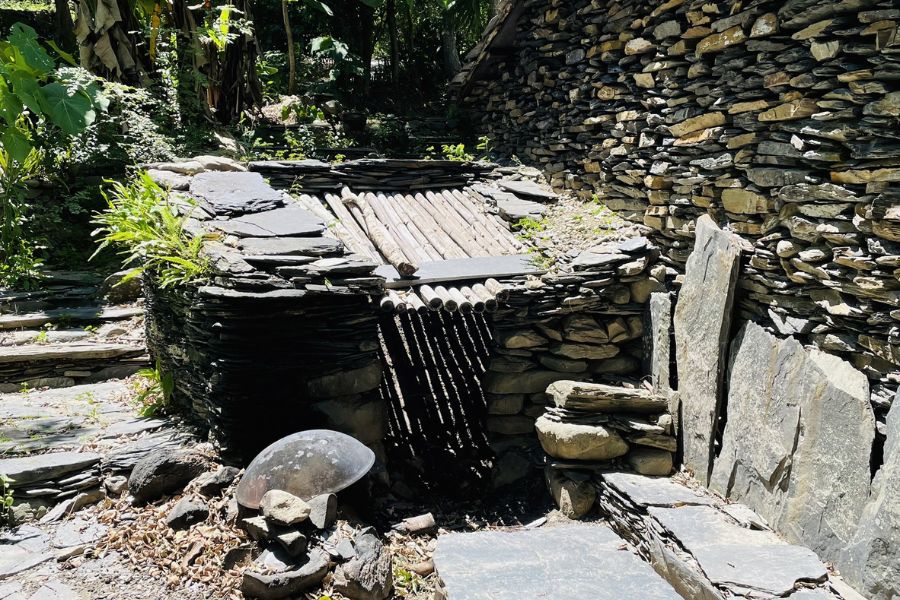
(Photo credit: Taitung County Government)
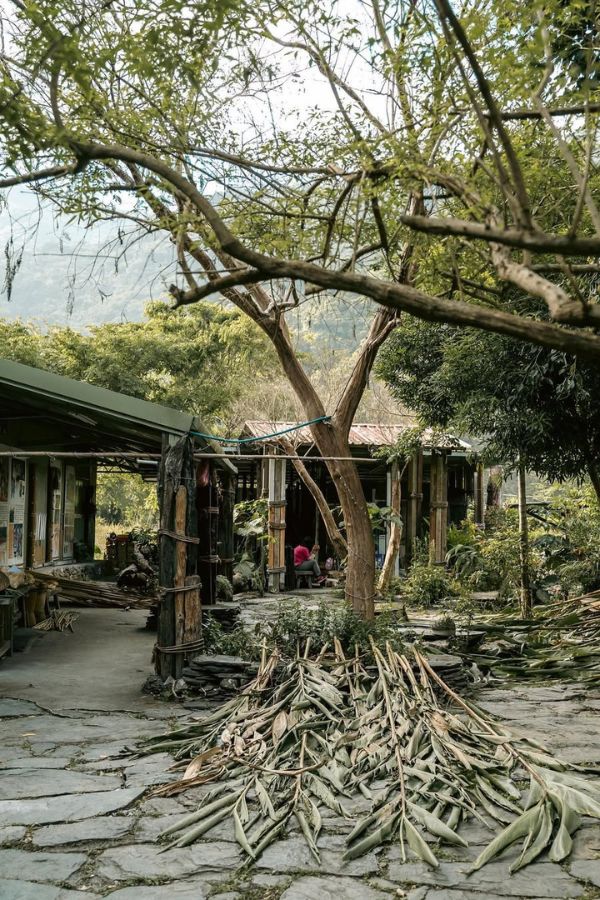
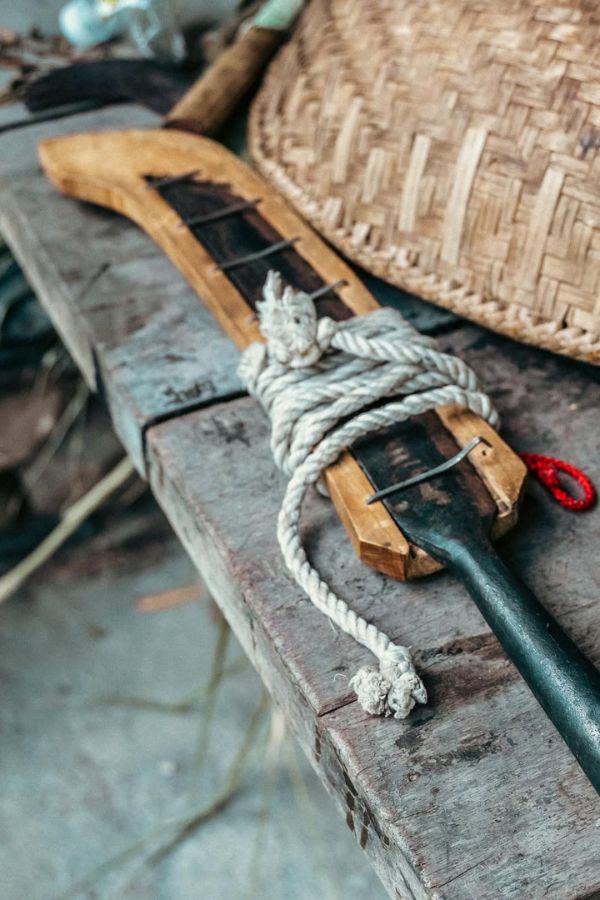
(Photo credit: @nikitw)
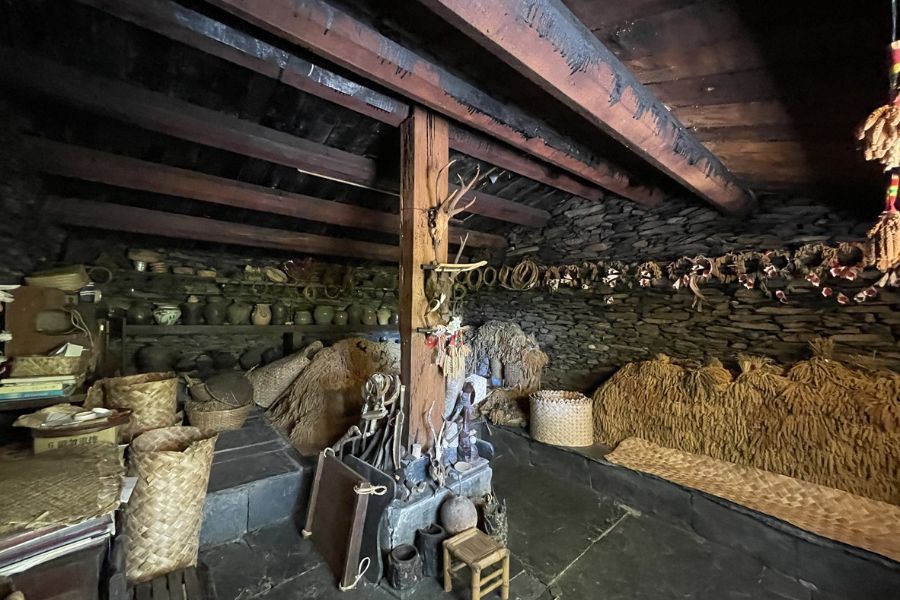
(Photo credit: Taitung County Government)
Ancestor Pillar and Hundred-Pacer Viper Motifs
The finished slate house fully embodies traditional Rukai architecture. The interior follows the customary layout: two rooms including a kitchen, a central pillar carved with ancestral imagery, and a rear granary. The courtyard features stone tables and screens that reflect Rukai notions of leisurely living. Inside, ceramic jars engraved with the hundred-pacer viper motif—sacred to the Rukai—are displayed alongside revered pillars, stone racks, and the hearth. Completing a slate house requires skilled artisans; roof construction especially demands teamwork, with elders overseeing techniques and able-bodied adults providing labor.
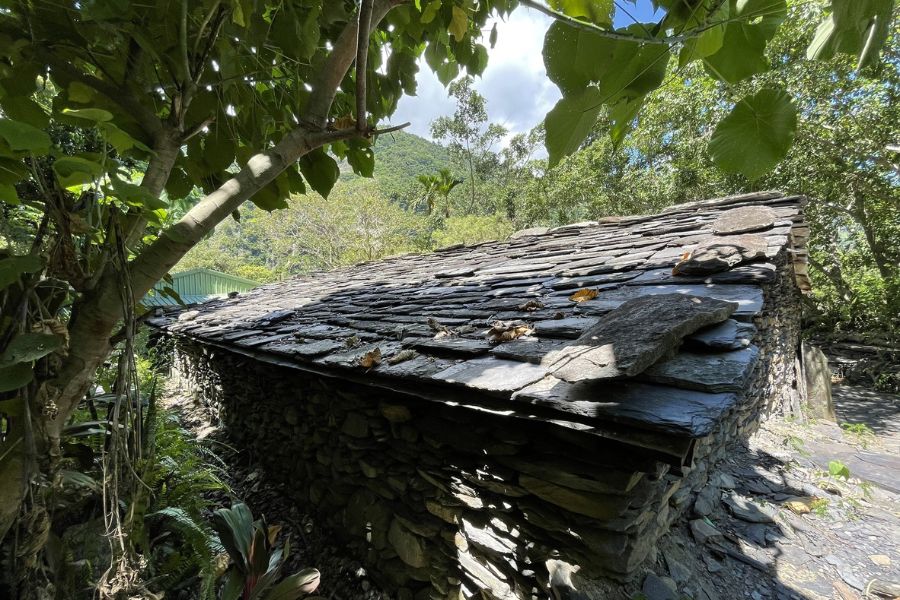
(Photo credit: Taitung County Government)
Daily Fire to Protect the Home
Maintaining a slate house requires continued care. A fire must be lit daily so that smoke protects the wooden beams from insects. If beams or planks deteriorate, the owners must replace them and restore the original slate roofing. Today, this slate house has become an important cultural site—both a family space and a venue for Paiwan and Rukai seasonal ceremonies and youth training.
San-hsiang, who teaches at Jieda Elementary School, often brings students to learn traditional culture at the house, allowing heritage to take root naturally. The Taitung County Cultural Affairs Department recognizes the cultural significance of this architecture, noting that the stone house built through inter-tribal cooperation marks an important step in preserving Indigenous traditions. The Chen family’s slate house has strengthened cultural awareness within the Paiwan community and stands as a symbol of unity between the Rukai and Paiwan peoples—helping future generations rediscover their spiritual homeland.
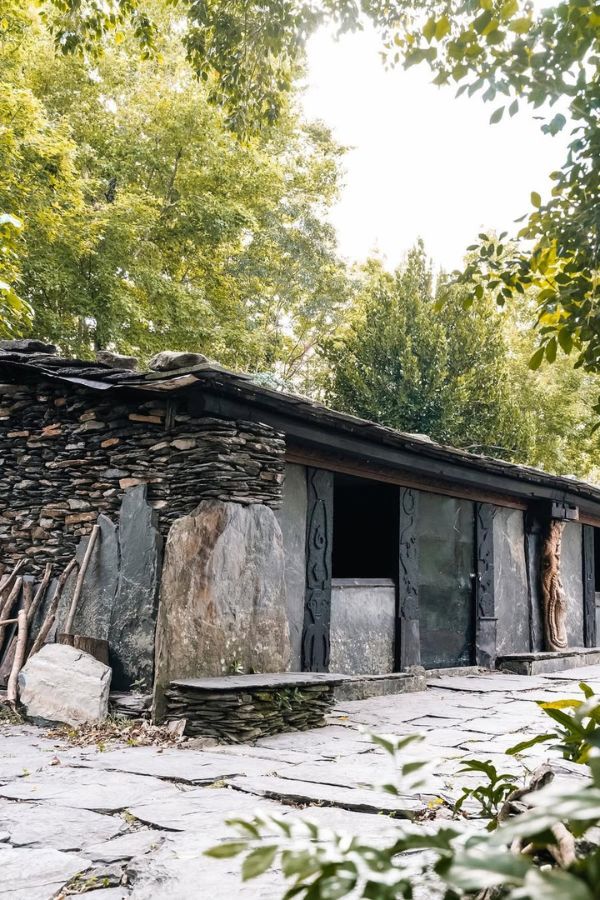
(Photo credit: @nikitw)
