


Key Takeaways
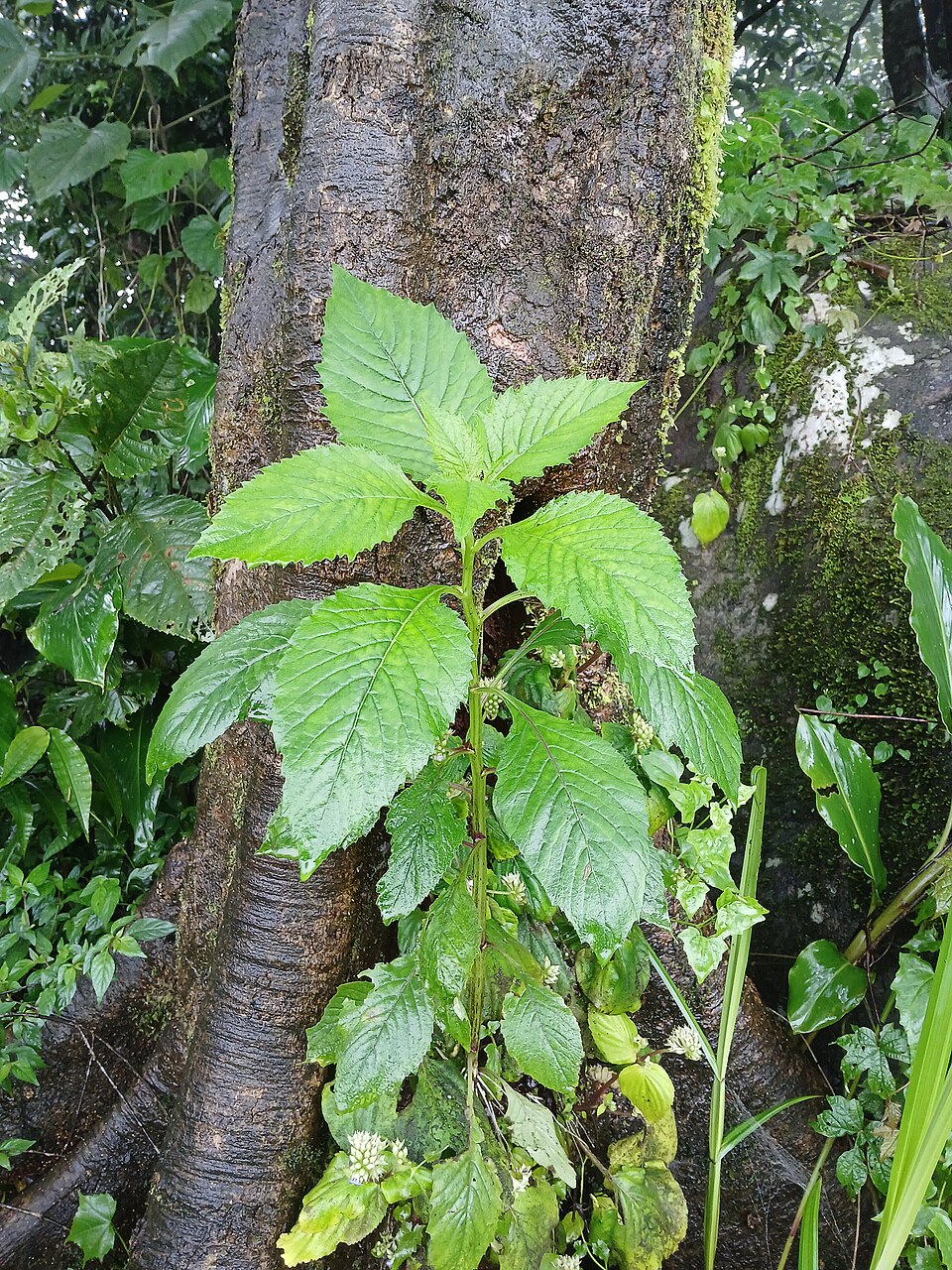
- Elders in Taitung’s Indigenous communities grow native plants such as redflower ragleaf, wild bitter melon, and Trichodesma calycosum collett & hems around their villages. They harvest these plants according to the seasons and their life experiences to incorporate them into meals as part of their daily health-promoting diet.
- Since 2020, the Taitung County Government and National Taitung University have interviewed 100 elders at 16 Indigenous Cultural and Health Stations, fully documenting how to identify and use 50 traditional plants and publishing the findings in a book.
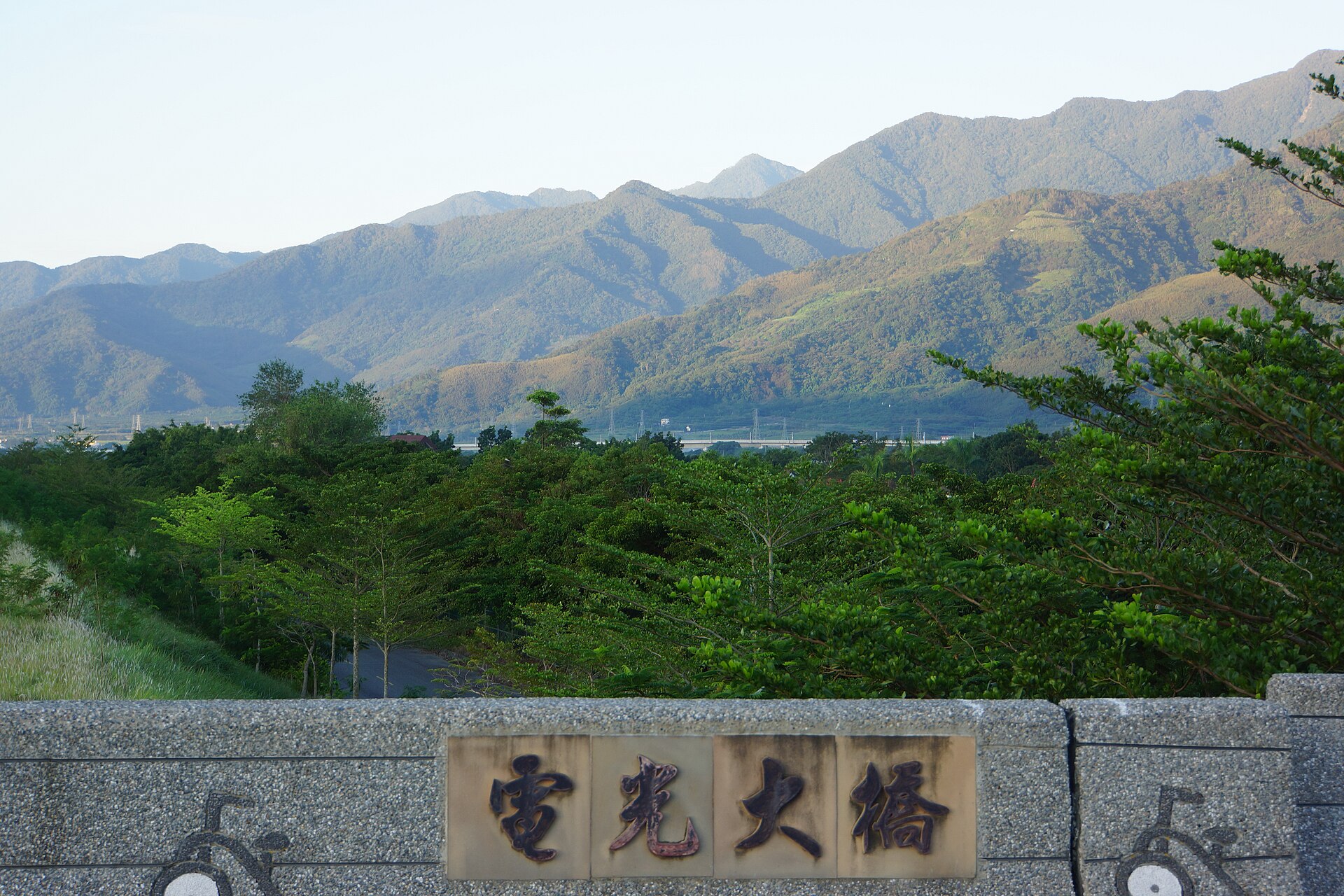
- Under the guidance of the Taitung District Agricultural Research and Extension Station, the Dianguang Community in Guanshan Township has set up a seed conservation garden. Visitors can get to know traditional ingredients through Amis-style rice wine-making workshops and agricultural tours.
Health-promoting ingredients growing along the edges of vegetable gardens
Most of the wild vegetables in Indigenous villages do not need to be deliberately cultivated; they grow naturally with the seasons in the mountains, along streams, and across fields. Plants such as redflower ragleaf, wild bitter melon, and Trichodesma calycosum collett & hems were planted around the villages long ago, and people picked them for cooking as everyday health-promoting ingredients. Where to harvest, when to harvest, and how to identify them—the elders rely entirely on the life experience they’ve accumulated over many years.
How Do Elders in Taitung’s Indigenous Communities Incorporate Medicinal Plants into Their Daily Diets?
Elders choose plants based on their physical condition and consume them by eating them raw, adding them to soups, or brewing them into tea. For example:
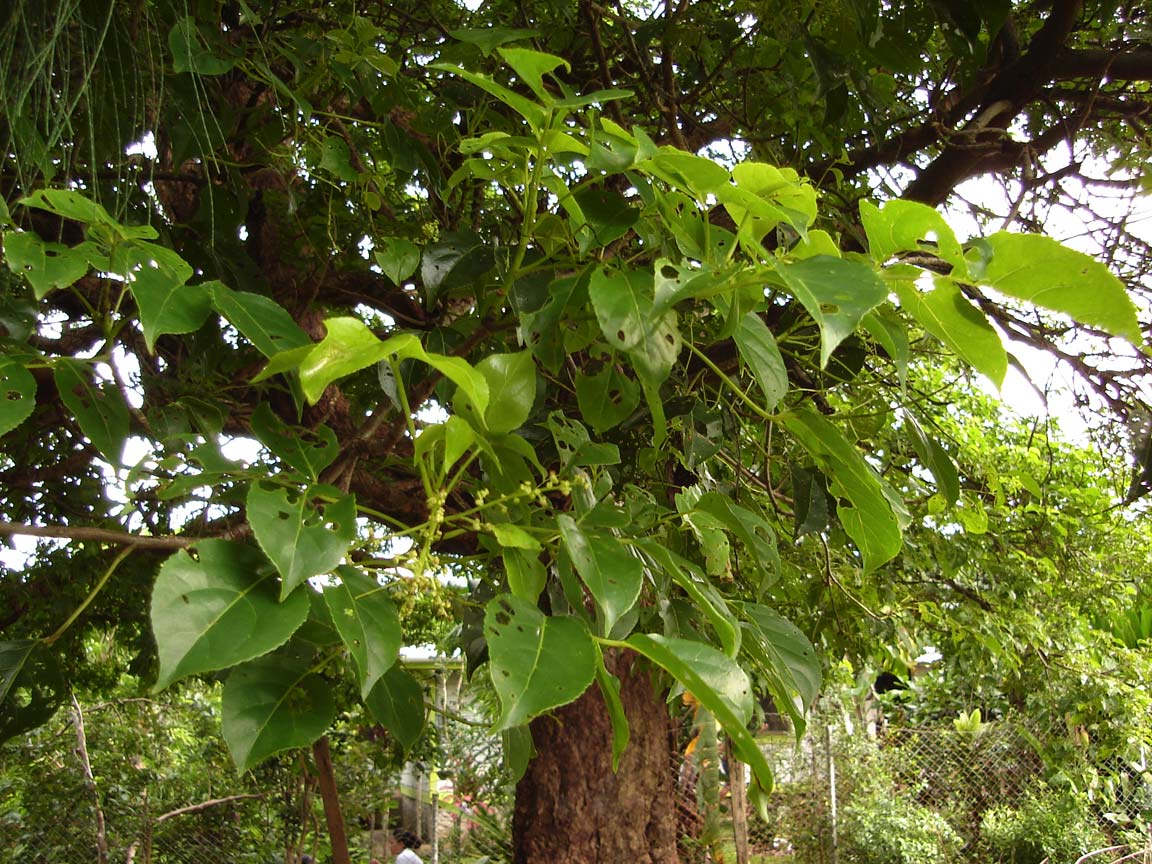
- Bishopwood (Bischofia javanica) leaves: Amis people use them to ease diarrhea or vomiting after drinking.
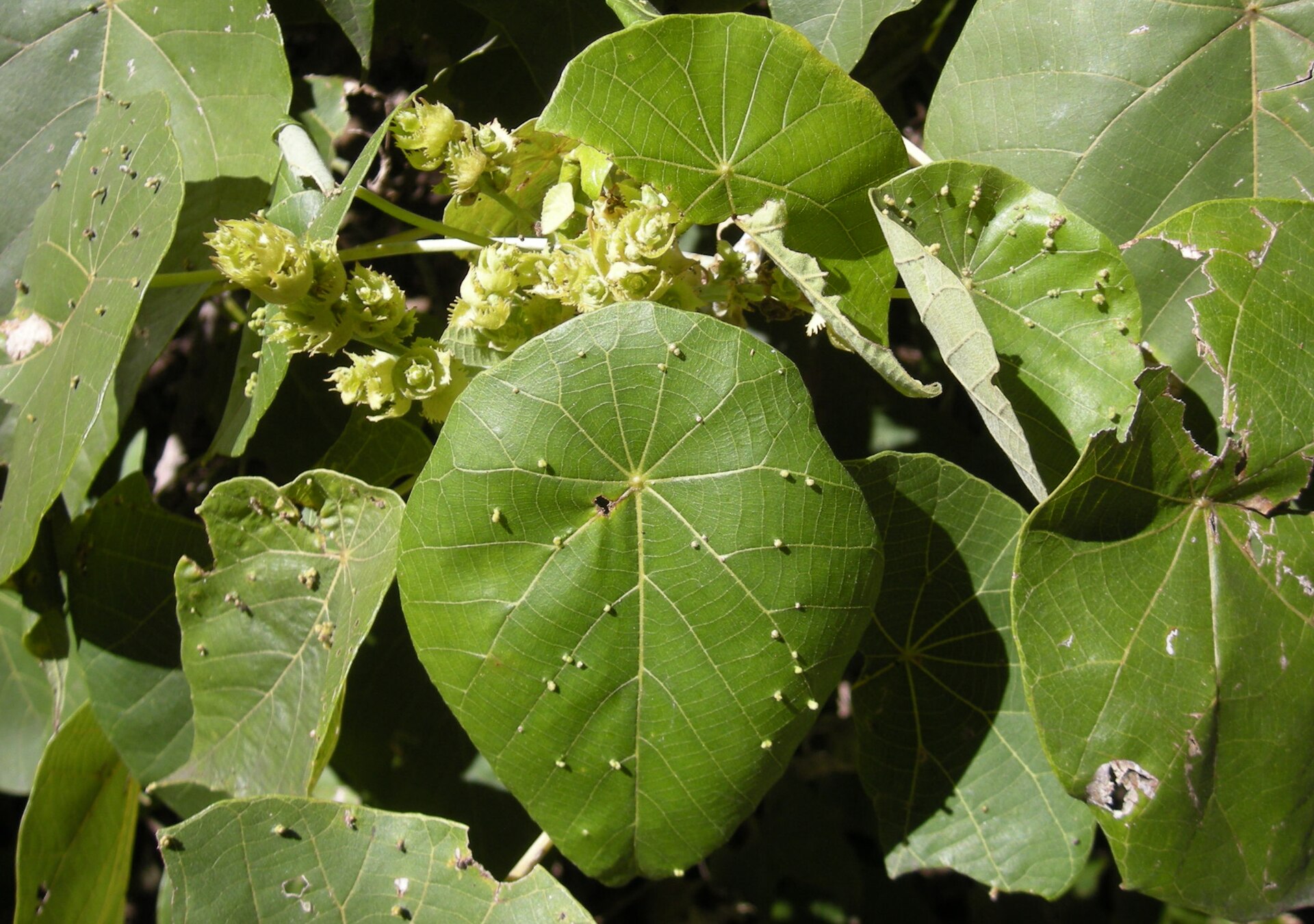
- Parasol leaf tree (Macaranga tanarius) leaves: The Puyuma people of Likavung use them to cover rice and wrap rice balls, and roast the bark to help mouth sores heal.
- False olive (Champereia manillana) leaves: In Likavung, the cooked leaves have a tooth-cleaning effect, earning them the nickname “the Indigenous toothbrush vegetable.”
- Five-leaved chaste tree (Vitex negundo): In Kasavakan, both fresh and dried leaves are used, and locals also make a special Vitex black tea.
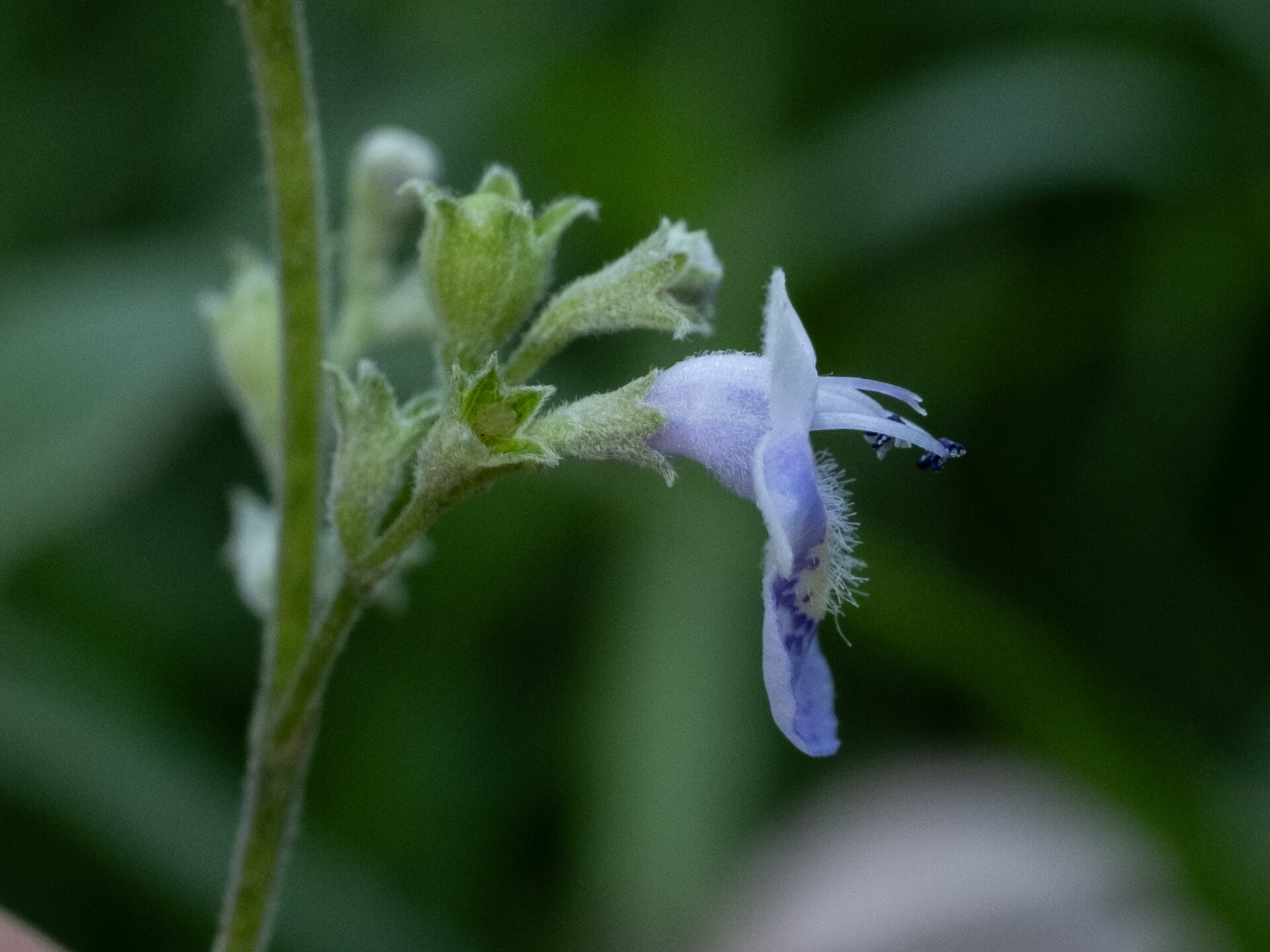
There are also rules for gathering. An elder from the Pakara'ac Tribe remembers their mother planting halana’, a long-flowered Peristrophe, in the vegetable garden. When someone felt unwell, the family would pick it to eat or make into soup. Before picking, they would first scatter a handful of rice beside the plant as an exchange with, and a thank-you to, the land.
The Same Leaf, Different Ways of Eating It in Every Household
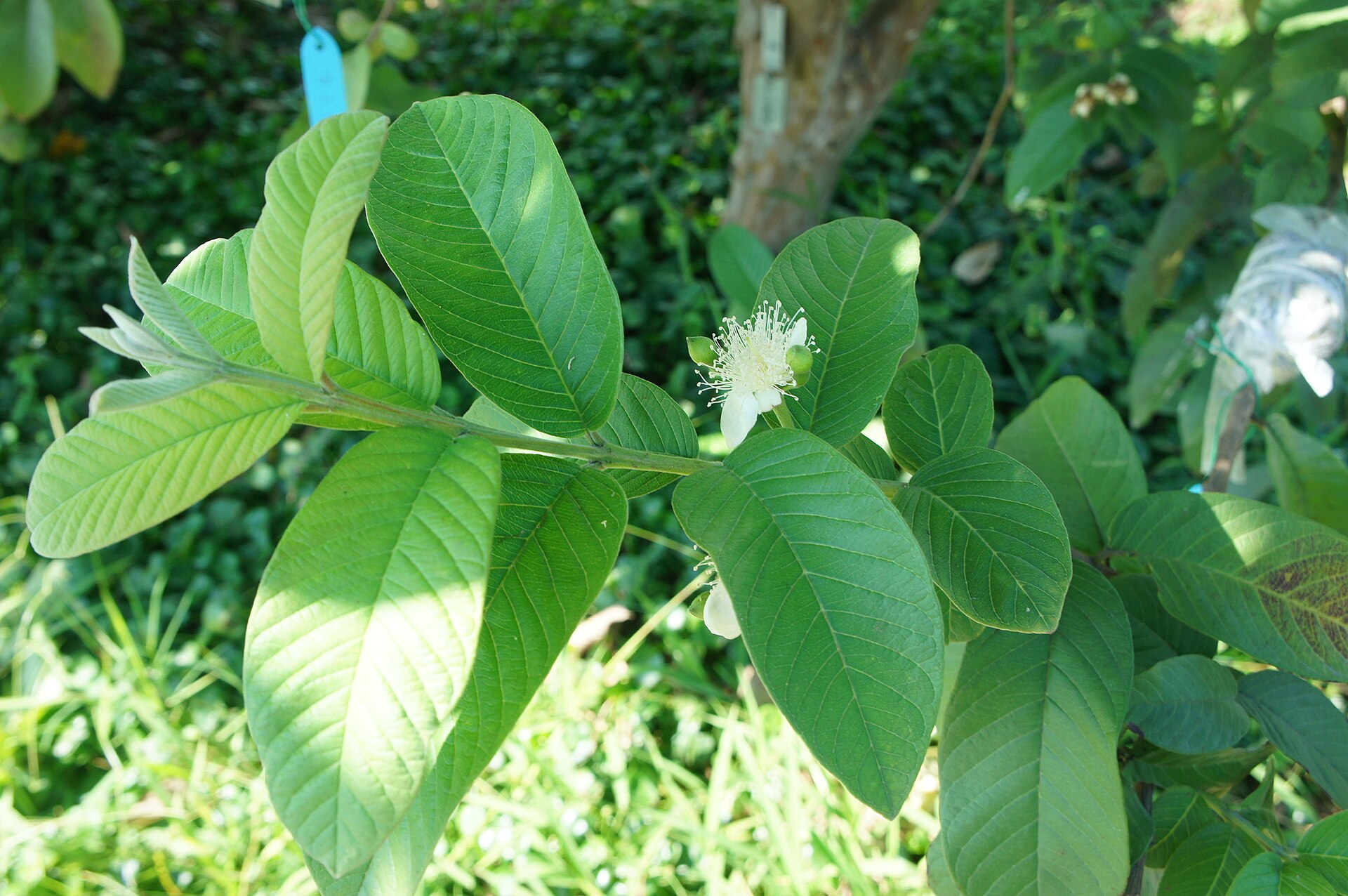
There is no single, standardized way to use these plants. Guava leaves are a shared memory across almost every Indigenous group: some Amis elders dip the tender leaves in salt and eat them, while others brew them into tea. Names also vary from place to place.
Among the Paiwan, the same plant may be called different names in the Taimali River and Dazhu River basins, and even in two Amis communities, Nanzhuhu and Pisirian, one plant can go by different names. Most of this knowledge was never written down and has been passed on orally by elders. As lifestyles change, much of this plant knowledge and gathering culture has been slipping out of daily life.
How Is Taitung Preserving Indigenous Plant Knowledge?
Since 2020, the Taitung County Government and National Taitung University have worked together, visiting 16 Indigenous Cultural and Health Stations and interviewing 100 elders to record how to identify and use 50 traditional plants. During interviews, care workers asked follow-up questions such as who taught them, where they gathered the plants, and whether they had passed the knowledge on to their children, turning fragments of information into a complete picture. The team narrowed the 98 plants first collected down to 50 and in 2026 published the book Yuanlai, Ni Yizhi Dou Zai (roughly “So, You Are All There: Indigenous Healthcare,” a pun on the Chinese words for “always” and “healing plants”). The book keeps each community’s Indigenous-language names and spellings. In recent years, people have been poisoned after mistakenly eating look-alike plants, so the book’s photos and the communities’ experience can also help the public identify plants correctly. Copies will be donated to major libraries and Indigenous institutions across Taiwan.
From the Seed Conservation Garden to Lunch Boxes
While written records preserve knowledge, plants themselves also need to be continuously cultivated. Kaadaadaan in Guanshan Township is mainly Amis and still retains its simple rural character. In recent years, the Taitung District Agricultural Research and Extension Station has helped the community set up a seed conservation garden, collecting distinctive crops at risk of being lost, raising seedlings, and planting them out for preservation. Among them are plants used to make rice wine starters, such as wild jasmine, Clausena excavata, and Blumea balsamifera. The station has also brought the same cultivation and seed-saving techniques to tribal members through its Tribal Mobile Classroom course series, launched in 2024, and the session at the Changguang Indigenous Cultural and Health Station drew many participants. Tribal ingredients have reached visitors’ tables too. With the station’s guidance, Baoma Canteen in Kaadaadaan developed authentic lunch boxes featuring plums, siraw (Amis salted pork), and wheel eggplant. Combined with Amis rice wine-making and farm tours, the experience takes visitors into the seed conservation garden to learn about traditional ingredients, and the community’s Leigonghuo Cultural & Lifestyle Festival Bazaar also draws many visitors.