



Key Takeaways
- Taitung’s humid climate and the fertile soil of Leshan in Zhiben are perfectly suited to turmeric’s preference for hot, humid conditions. Some growers believe the high temperatures brought by foehn winds make the quality of turmeric even better.
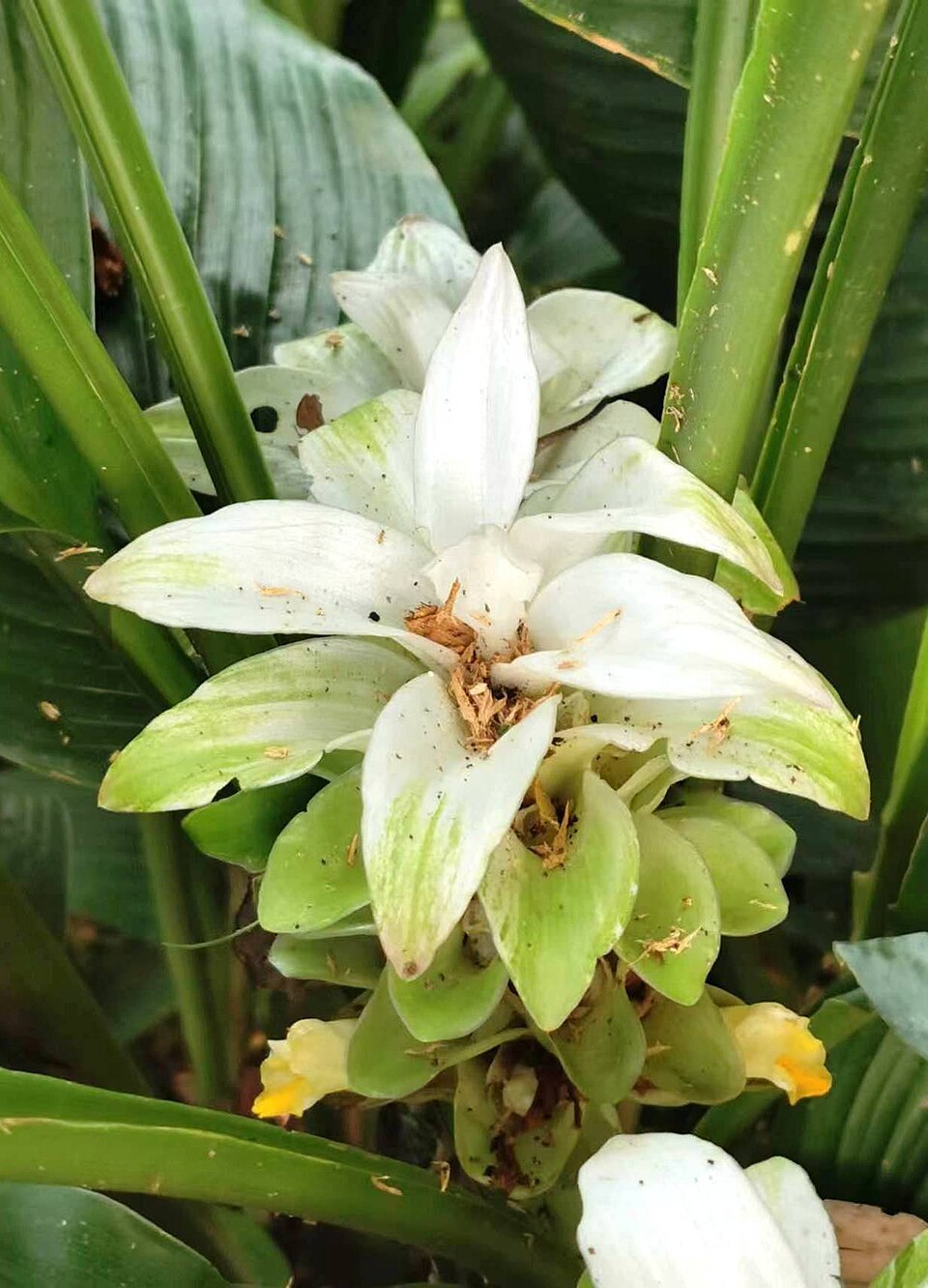
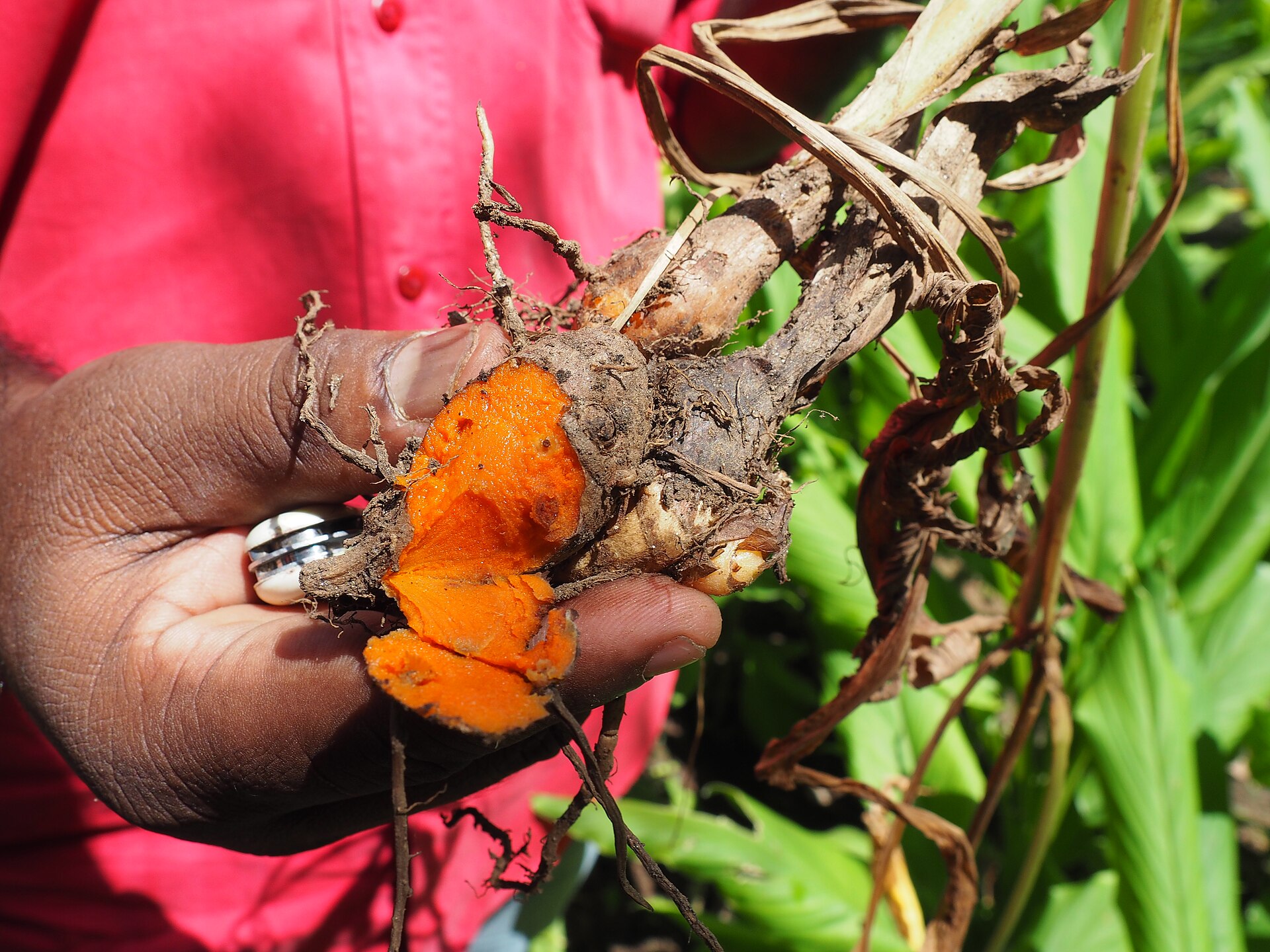
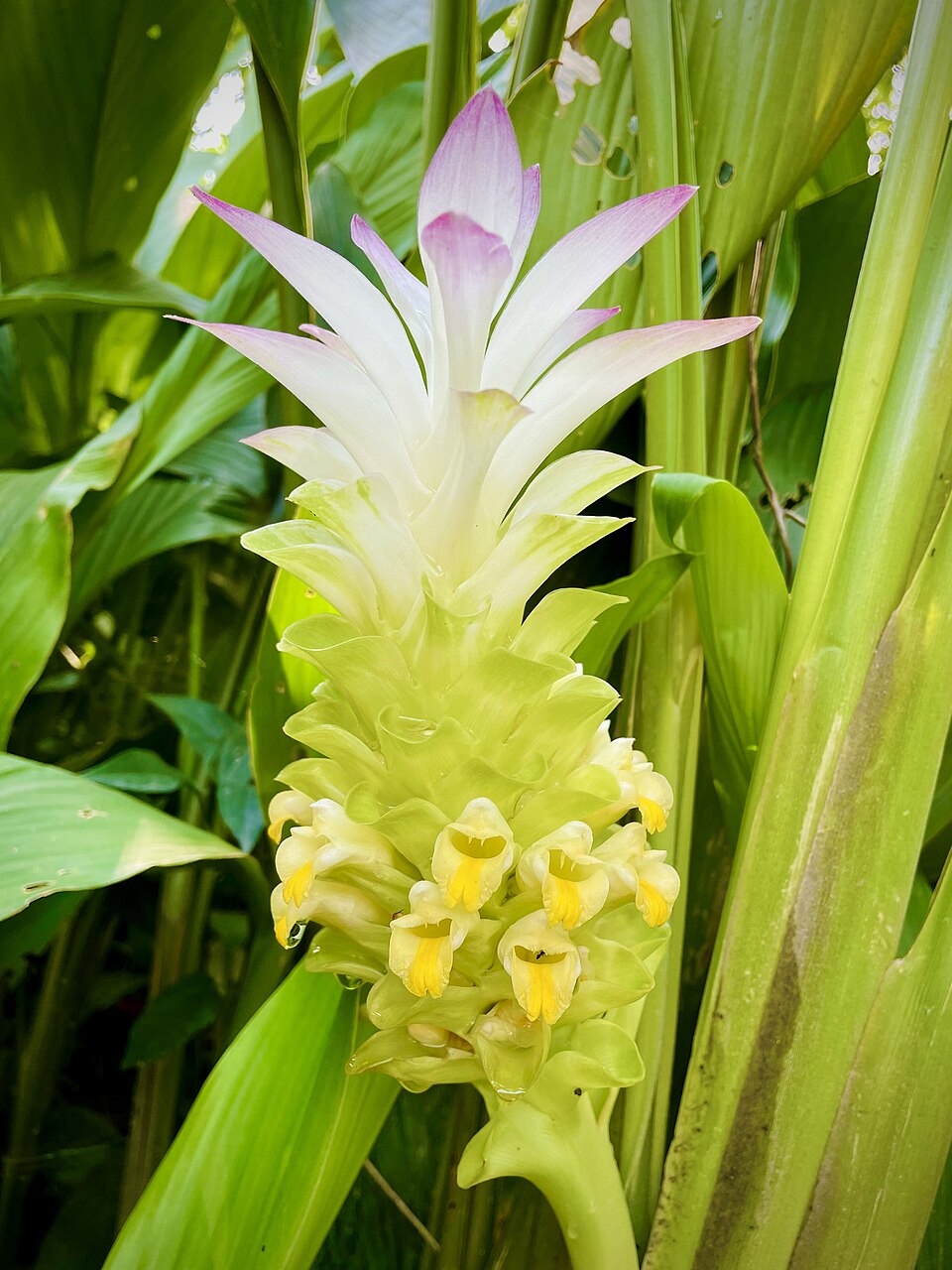
- Turmeric is a member of the ginger family that grows from rhizomes and is harvested once a year. In Leshan, Zhiben, Chen Tian-qi, known as “Uncle Turmeric,” cultivates the Shugu autumn turmeric variety (Curcuma longa L.) using organic methods.
- Turmeric powder can be used to make turmeric rice or added to milk or soy milk. Taitung producers also make turmeric into thin noodles, candied ginger and turmeric slices, and sun-dried handmade noodles.
Why Is Taitung a Good Place to Grow Turmeric?
Taitung has plenty of moisture, and foehn winds bring high temperatures—conditions that perfectly suit turmeric’s preference for a hot, humid environment. Local growers believe this results in higher-quality turmeric. Turmeric is highly resilient; it is resistant to soft rot and does not deplete soil fertility, allowing for continuous annual cultivation on the same plot without the need for pesticides.
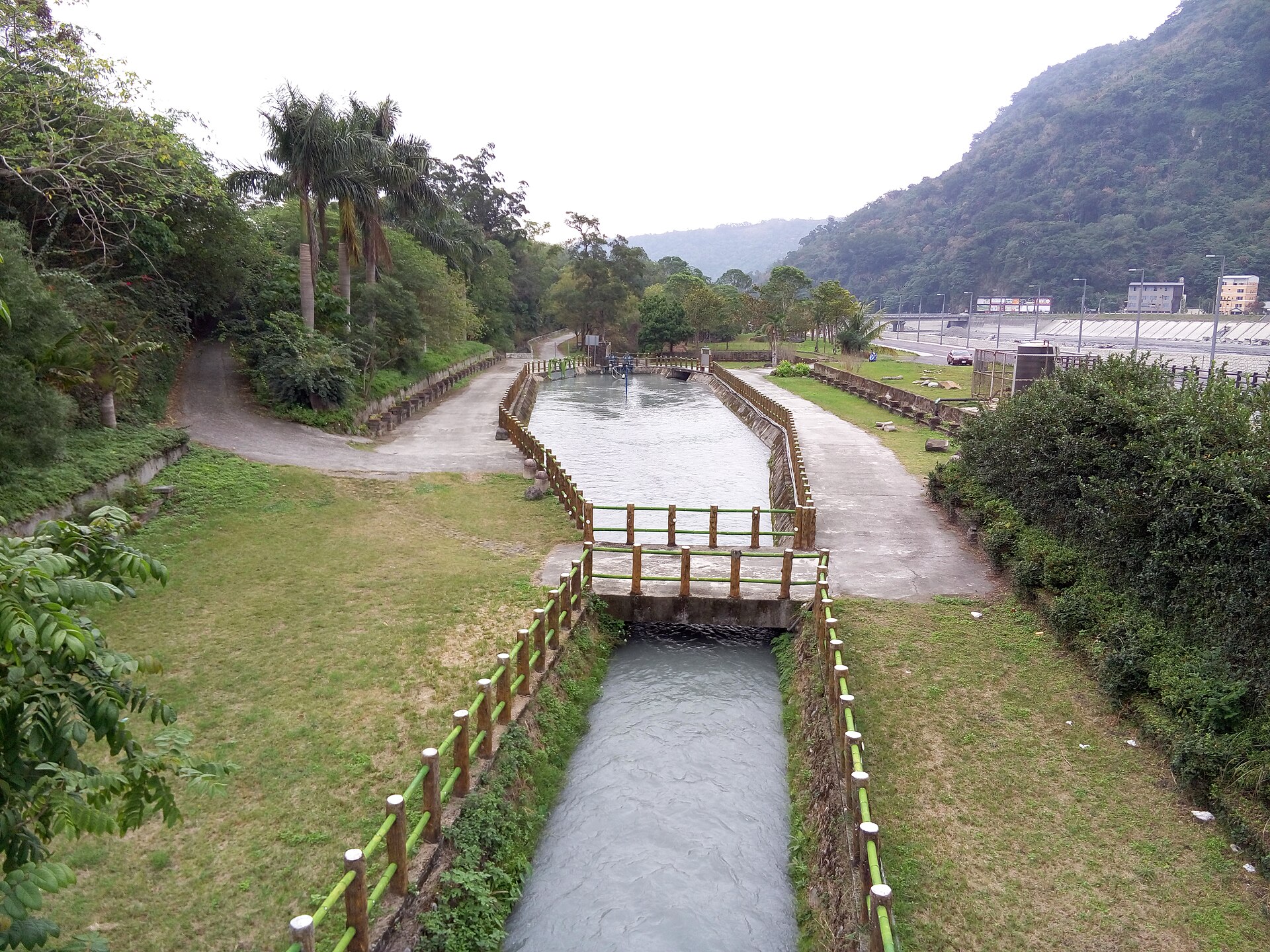
With no industrial pollution in Taitung, there are multiple farms growing turmeric using non-toxic or organic methods. In Jialan Village, Jinfeng Township, at an elevation of over 800 meters, some family farms grow more than three hectares of red and yellow turmeric using organic fertilizer and no herbicides. Other farmers, to avoid pesticide residues from irrigation canals, only irrigate their fields when neighboring plots are uncultivated.
The Turmeric Brought Back from Sydney
The soil in the Le Shan area of the Zhiben Hot Spring District is rich, and this is where Chen Tian-qi grows his organic turmeric. He has figured everything out on his own—from cultivation and product development to promotion. His farm now produces more than 60 metric tons a year, and he built his own processing plant, and everyone calls him “Uncle Turmeric.” His journey into turmeric farming began with a trip he took after retiring. In 2004, while at a supermarket in Sydney, he saw turmeric and recalled how, as a child, whenever he had an upset stomach, his mother would grind turmeric into powder, fry it in sesame oil until crispy, and feed it to him. So he bought some to take back to Le Shan and try growing it. Three years later, the turmeric was thriving, but he did not know how to use it, so he began researching its nutritional value and varieties. The turmeric he ate as a child was the bitter purple kind, but he ultimately chose the Shugu autumn turmeric variety, which has the highest curcumin content. He never sprays pesticides in his garden, relying solely on manual weeding, and has obtained organic certification from the Taiwan Formosa Organic Association (FOA).
Harvested Only Once a Year
Beyond organic cultivation, turmeric’s natural growth process cannot be rushed. From planting around the Qingming Festival to harvest in November, turmeric—which propagates via rhizomes—spends more than half a year in the ground:
- Around the Qingming Festival (early April): Plant the seedlings in the soil.
- Growing season: No chemical fertilizers are used; regular manual weeding and irrigation are performed.
- November: As the leaves gradually wither, preparations for harvest can begin.
- After harvest: Store in cold storage to preserve freshness; the low temperature causes the stems and outer skin to fall off naturally, allowing nutrients to flow back into the root.
The turmeric on the slopes of Leshan grows slowly at this pace, yielding just one harvest per year.
How did Taitung turmeric go from being a medicinal herb to a common kitchen ingredient?
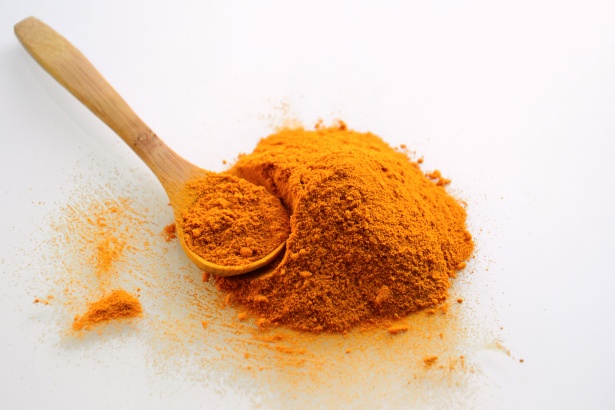
Grinding it into powder was the first step in bringing turmeric into the kitchen. In the past, turmeric was mostly used as a medicinal herb in Taiwan, whereas in India and Southeast Asia, it was used in cooking. Uncle Turmeric decided to promote it from a culinary perspective, handling the entire process by hand:
- Pre-processing: After removing it from the refrigerator, he completes washing, slicing, crushing, and blanching all within the same day.
- Drying and grinding: After drying, the turmeric is ground into powder, becoming a convenient seasoning with the assistance of the Agricultural Research and Extension Station.
- Sealing: The turmeric powder is preserved using vacuum packaging.
This processing also opened up new markets for the producing region. In 2014, dozens of turmeric farmers in the county were defrauded, leaving nearly 240 metric tons of fresh turmeric unsold. The Taitung County Government’s Department of Agriculture and the local farmers’ association helped organize a production and marketing group and connected farmers with processing plants, so fresh turmeric and turmeric powder could be sold side by side.
It All Starts with a Bowl of Turmeric Rice
Now that they have turmeric powder, Uncle Turmeric and his wife have shared a few ways to enjoy it:
- Turmeric rice: Add turmeric powder to washed rice and cook it into a vividly colored dish.
- Stir-fried Eggs with Tomatoes: A pinch of turmeric powder brightens the color and rounds out the flavor.
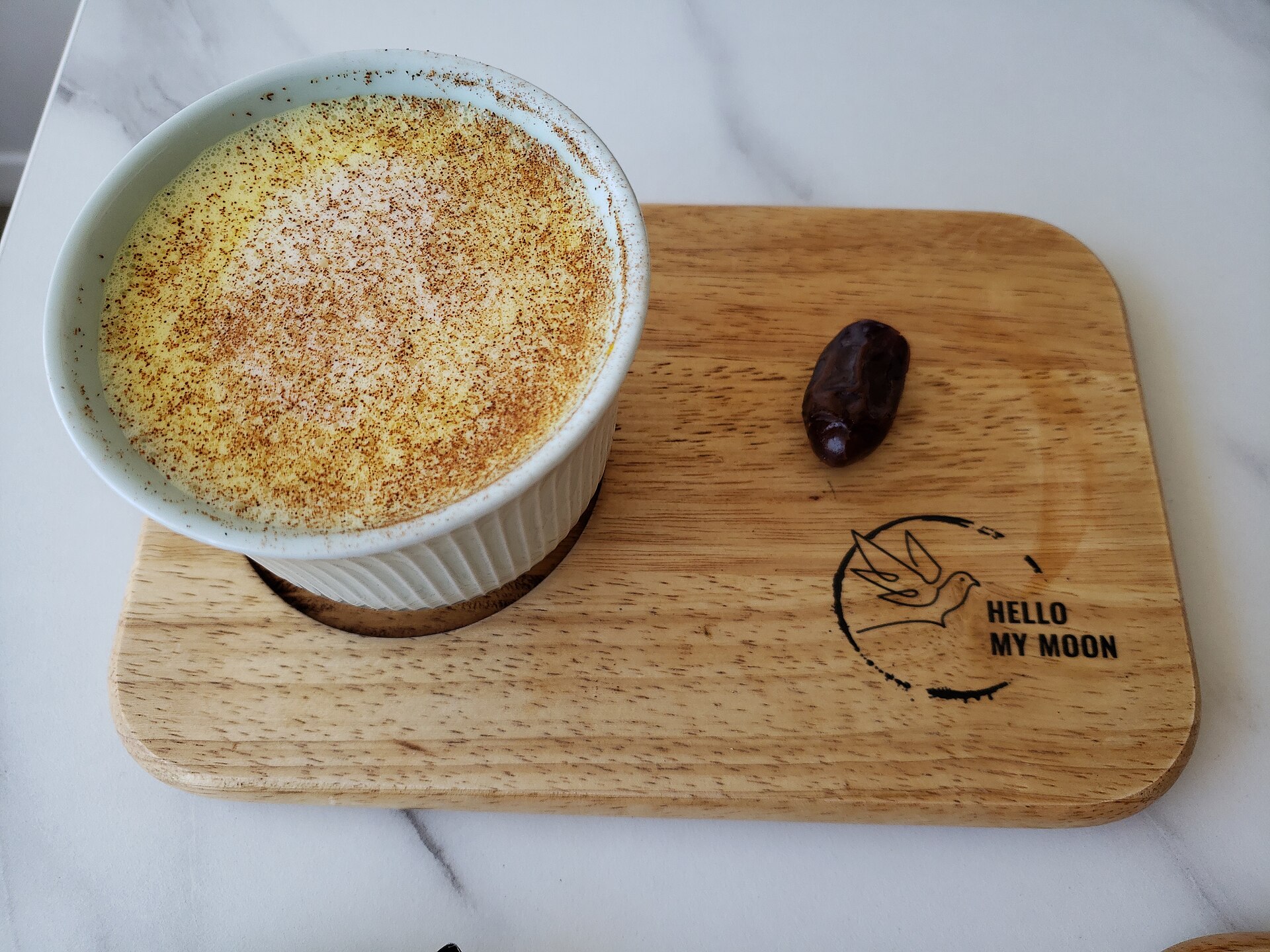
- Golden soy milk: A homemade drink by “Auntie Turmeric.” Turmeric powder also goes well in milk.
Uncle Turmeric’s factory also turns turmeric into thin noodles and aged-ginger turmeric candy slices. In Taitung, some businesses also knead turmeric into noodles: Mingzhan Business Firm uses natural turmeric and traditional sun-drying methods to make noodles, while Tsai’s Good Farm hand-pulls noodles using their own red turmeric powder. From the rhizomes harvested once a year to the sun-dried noodles, the pungent aroma of Taitung turmeric is slowly cultivated over time.