


 |
|
TECHNOLOGY AND THE LAND:
A SUSTAINABLE DIALOGUE |
|
Taiwan Digital Fest 2026 — While the world rushes to find answers for coexisting with nature, Taitung has long been crafting its own response on this pristine land between mountains and sea, moving at its own pace. In 2026, we place “sustainability” at the core as we reimagine the vitality of this city — from low-carbon transportation networks, to the creative reuse of discarded resources, to the social mobility brought by digital nomads and corporate retreats. This series of articles invites you to see how Taitung transforms “slow” into resilience that protects the land, turning every event, every journey, and even every policy into a way of caring for this land. Join us as we discover how this city treads lightly toward a sustainable future in harmony with the planet. A NEW CHAPTER IN SUSTAINABLE SLOW LIVING
In recent years Taitung County has placed the “slow economy” at its core, working to build a sustainable digital-nomad haven that balances environmental conservation with shared local prosperity. As Taiwan’s first dedicated digital-nomad site, Taitung has not only strengthened its digital infrastructure but emphasized something more: through the residencies of international talent, advancing the regional sustainable collaboration and interpretation of place that “Slow Taitung” calls for. With that vision, Taiwan Digital Fest (TDF) 2026 moved east to Taitung for the first time this May, drawing around 200 digital nomads from Japan, Singapore, Switzerland, France and beyond for a month of deep exchange. More than 80 events were held across the county, and the gathering was also a real meeting point for digital work, local culture and sustainable living, bringing lasting cross-disciplinary momentum to the local economy. In the sections that follow, we look through the festival’s smaller events to see how it grounds a sustainable coexistence of technology and landscape. TAITUNG MEETS THE WORLD:
TAIWAN DIGITAL FEST 2026  Something about Taitung makes people stay. The mountains to the west, the sea to the east; the Central Mountain Range holds back the clamor of the rest of the island, and with it the urge to hurry. A decade or so ago, the Taiwan International Balloon Festival turned the Luye Highland into a place a million people a year come to look up at the sky; the Taiwan Open of Surfing put Dulan’s waves on the international circuit. Taiwan Digital Fest 2026 is the first time the festival has moved east to Taitung, and it brings more than an event. It is a proper introduction, bringing digital workers from around the world together with founders from Taipei and freelancers from across the island, to walk into this county between mountain and sea and see what Taitung has quietly been building these past few years. The festival runs the length of the county: setting out from Taitung City, south along the South Link coast to Dawu, turning into the East Rift Valley, past the rice fields of Chishang and the tea plantations of Luye, and on to the sea at Dulan. Five themed weeks open with Local Revitalization & Startups and close with a travel week extending into Hualien; the program is spread across townships and villages, with no single main venue. The opening-night TTwilight Bazaar set the tone for the whole festival: founders, farmers, craftspeople and just-arrived nomads, meeting for the first time at the same row of stalls. A LANDSCAPE SHAPED
BY THE PEOPLE WHO LIVE HERE 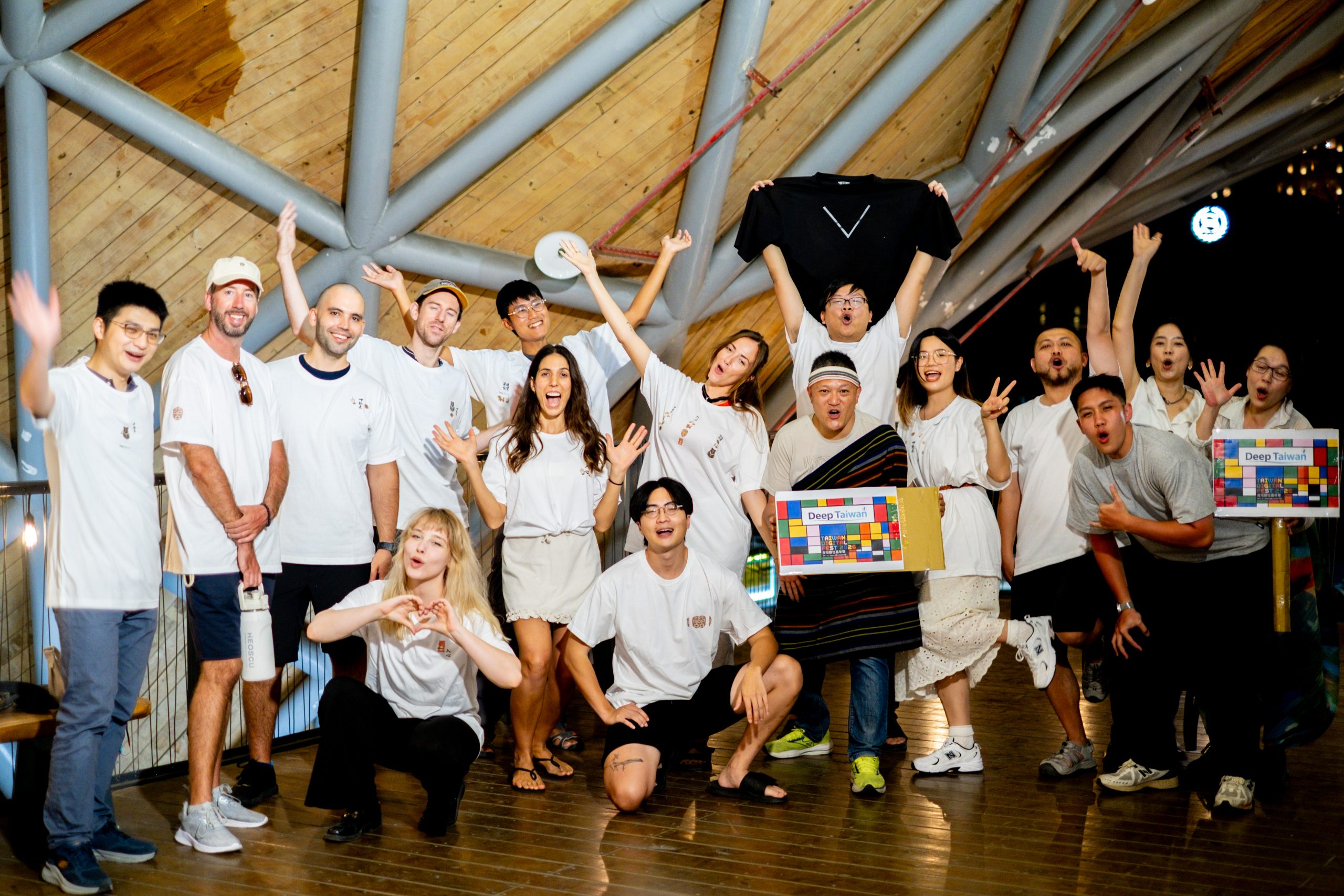 The nomads who come to Taitung step into a landscape where people have already been living for a very long time. On the Luye Highland, they cycle through tea plantations and taste Red Oolong at its source. The South Link tribal tours, including the Dawang Village trail, follow ancient paths between mountain and sea. At Danan Elementary in Dawu, language workshops bring Paiwan elders and visiting nomads into the same room, one phrase at a time. At Pinuliman Studio in Taimali, the craft of glass beads and ram’s horn leaves people with dye-tinted fingertips. The Hunter’s Trail leads groups into the forested hills, where local guides build a fire and cook in the open. And the partners of the South Link Sustainable Travel Alliance bring nomads into the work of marine-debris recycling and environmental education. WOVEN INTO THE LOCAL ECONOMY
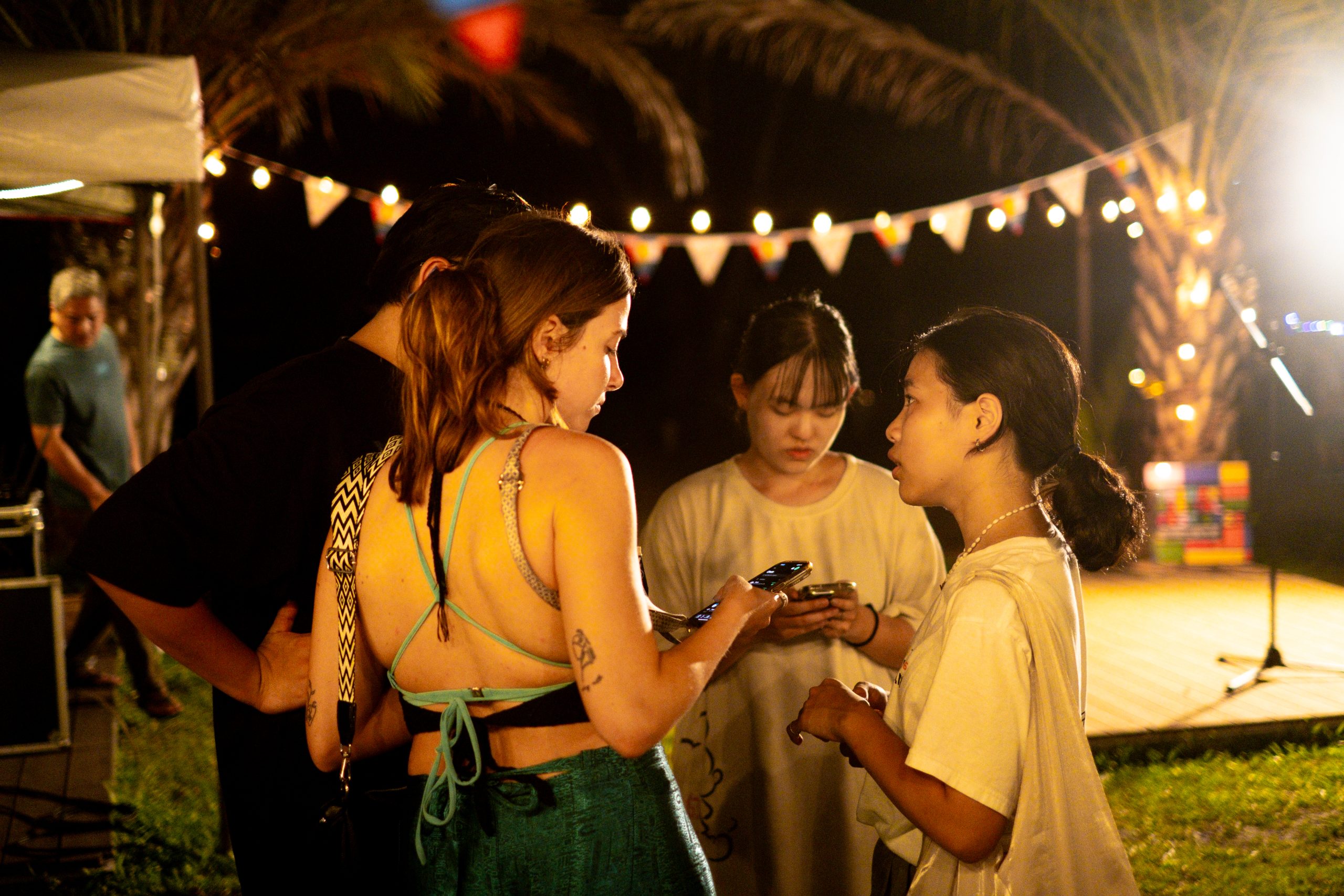 The Nomad Breakfast is held in a community temple in Taimali; the Slow Taitung forum gathers at Guesthouse Susu, a second-hand bookstore and lodging in town, and a kind of spiritual home. Coffee Chats run regularly beside the National Museum of Prehistory, which holds the archaeological evidence of the Austronesian peoples who set out from here. The Roots co-working space in Chishang is a TDF co-host and keeps running all year round after the festival ends; more than twenty-five nomad-friendly guesthouses across the county host those who choose to stay a while. The TTnomads platform, launched in 2023, connects remote workers to Taitung’s lodging, services and daily life well beyond the festival calendar. May ends and the people leave, but the spaces and the relationships remain. A DIGITAL-NOMAD HUB,
ON TAITUNG’S OWN TERMS 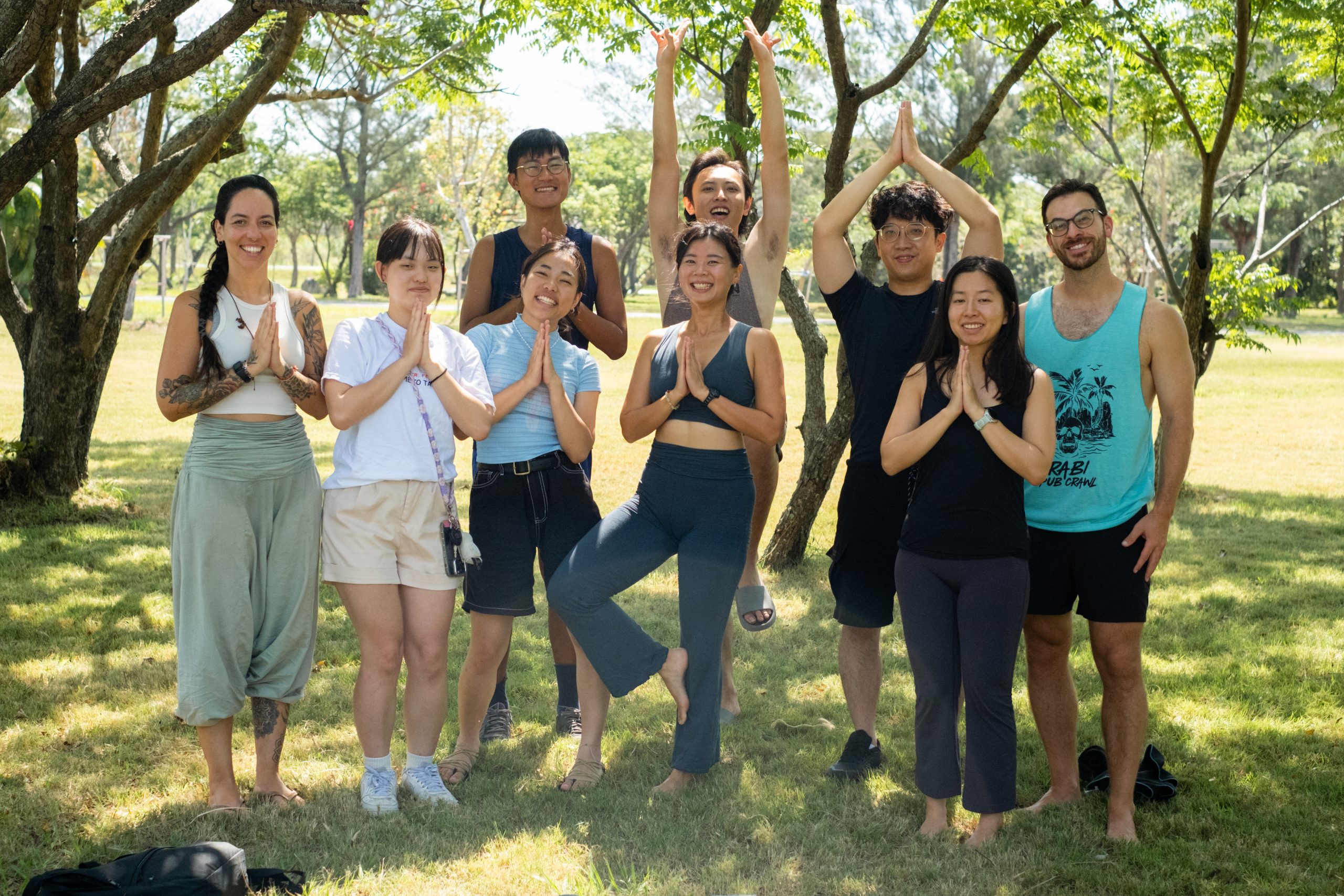 Across the five themed weeks, AI workshops run alongside startup pitches, a remote-work summit gathers voices from nomad ecosystems across Asia, and by month’s end more than eighty events large and small will have accumulated. But the conversations most worth remembering rarely make it onto the agenda. They happen when someone debugging code in the morning follows a tribal guide into the hills in the afternoon, then returns to the desk by evening to begin again with a different set of questions. Taitung can’t offer Silicon Valley infrastructure, but it has something harder to copy: the longest continuously inhabited landscape on the Pacific, still readable today. Less than thirty kilometers from the co-working space in Chishang, the National Museum of Prehistory holds the record of the largest maritime migration in human history, a migration that set out from right here. The economy here still runs to the rhythm of a rice harvest or a round of tea-picking. For nomads who move constantly between cities, work across time zones, and hold themselves together for long stretches between screens and deadlines, this rhythm isn’t friction; it’s genuinely restorative. At dawn, Sae, a yoga teacher who moved from Taipei to Taitung, leads morning practice in the Forest Park and at the edge of the Chishang rice fields, letting the breath slow to the pace of the land. At the Inner Landscape salon in Heliu, Dulan, speakers talk not about productivity but about how to find belonging in a life of constant movement. In Dawu, the Hunting Ground studio walks nomads into the beehives to understand what it means to live with the land; at the Taitung Sugar Factory, “Taitung Blue,” dyed with deep ocean water, soaks into cloth, letting industrial heritage and marine ecology meet in a single pair of hands. Running, surfing, climbing: these aren’t add-ons to the festival. They are part of Taitung’s ordinary days, and a way for the body to remember this landscape. Against the other nomad cities of Asia, competing on facilities or cost, Taitung offers something else: the warmth of the people who live here, a daily life that has slowed down, and a place that truly lets you settle, recharge, and land. This is what Fukuoka’s Engineer Cafe, goodroom Japan and the Nomad Taiwan platform connect people to when they send them here. Not a conference, but a place that answers you back. SLOW LIVING: THE YEAR AHEAD
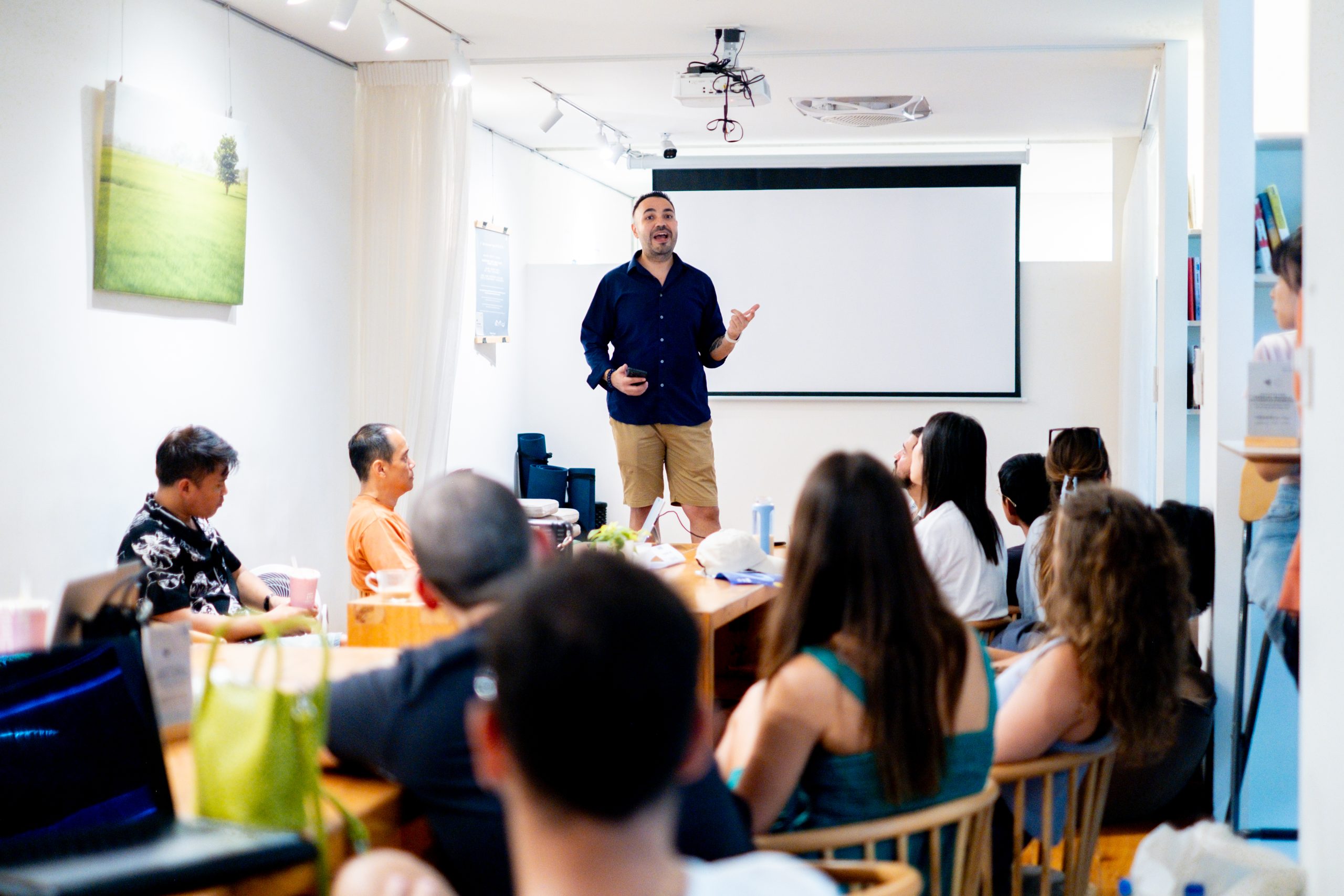 TDF opens a full year leading toward the 2026 Taitung Expo. Running from July 3 to August 20, the Expo takes “slow living” as its theme, with the slow economy, Taitung Blue and the Austronesian homeland as its three pillars, echoing the United Nations Sustainable Development Goals. Close behind, on August 8, the first Asian Cities Digital Nomad Summit will be held in Taitung, the first time the nomad cities of Asia gather to ask how to build a future that is sustainable for both people and land. Taitung’s land was never just a backdrop. It is the question every arrival must eventually answer. |
| © TAITUNG COUNTY GOVERNMENT 2026 |
