


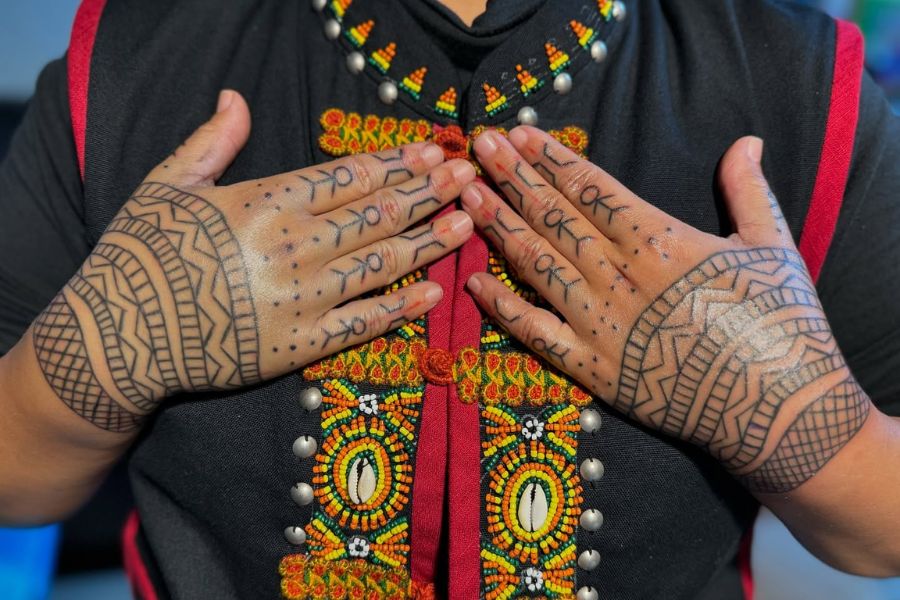
Walking into the tribal communities of Taitung, one can often see lines and patterns on wood carvings, woven textiles, ceramic pots, and even on the backs of elders’ hands. These totems are not merely decorative. They serve as cultural identity markers. Taitung is home to seven Indigenous groups, including the Amis, Puyuma, Paiwan, Rukai, Bunun, Tao, and Kavalan peoples. Each group’s totems are rooted in origin myths and ancestral beliefs. The Paiwan and Rukai peoples regard the hundred-pace viper as a noble ancestor, while butterfly motifs symbolize diligence and agility. Tao plank boats are carved with wave patterns, spiral motifs, human figures, and concentric circles, then painted in black, white, and red. Each boat is built without a single nail, joined only with kapok wood and rattan. For the Bunun people, the gourd is associated with their origin, and they also developed “calendar boards” to record seasonal rituals and annual activities.

(Photo credit: Qun Plank Boat Studio)
(Photo credit: Cudjuy Patjidres)
Patterns Extending from Rituals into Everyday Life
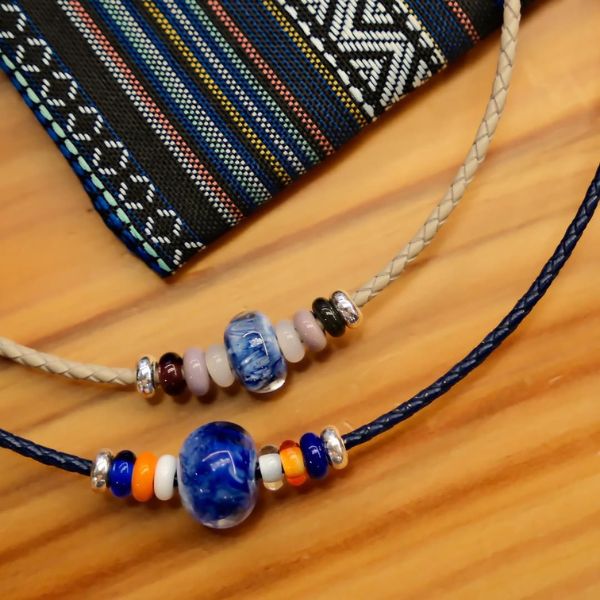
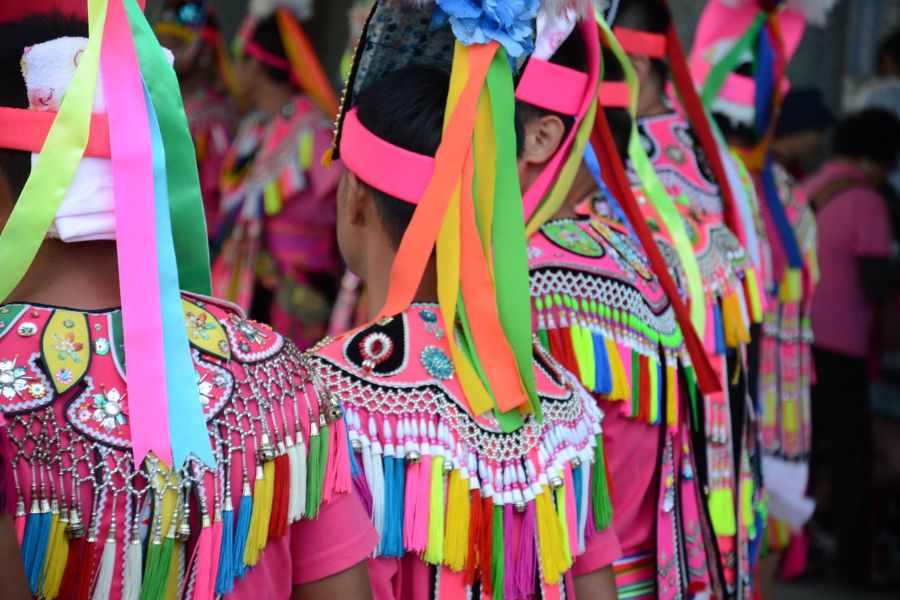
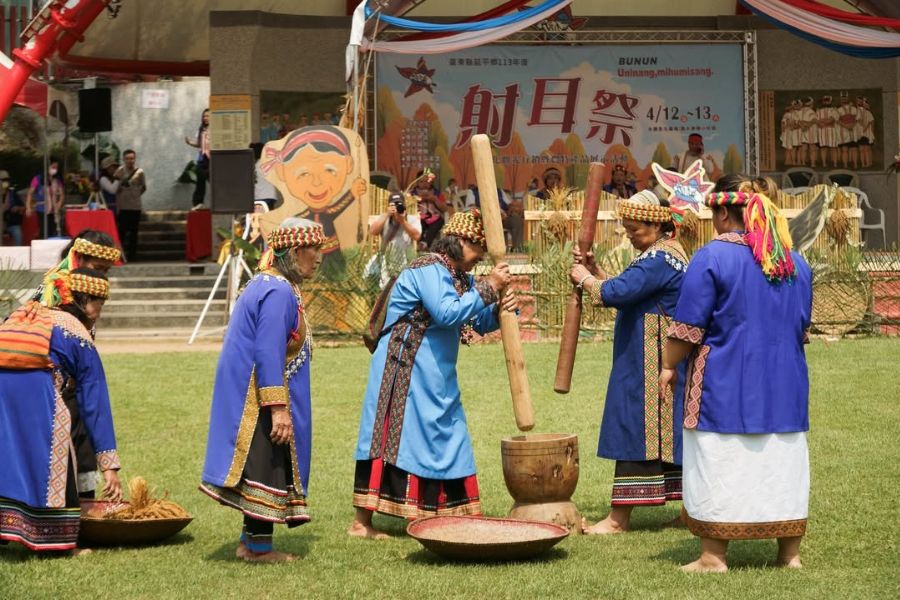
Totems and rituals have always been two sides of the same coin. Before the annual ceremony of the Puyuma people, the Monkey Festival and Great Hunting Festival take place, allowing boys to pass through trials and advance into adulthood. The Amis Harvest Festival is often held in July, and more formal celebrations can last five to seven days. The Bunun Ear-Shooting Festival passes down hunting culture through the ritual of shooting animal ears, and ritual days may number more than 200 throughout the year. As these motifs move from festivals into daily life, they gain new vitality. Rukai women embroider butterfly patterns onto clothing, while Paiwan glass beads are arranged according to social structure, recording family legends. Every line carries a promise passed down through generations.
(Photo credit: @from_the_easto_the_east)
(Photo credit: Guanshan Township)
(Photo credit: @david_huang_taitung)
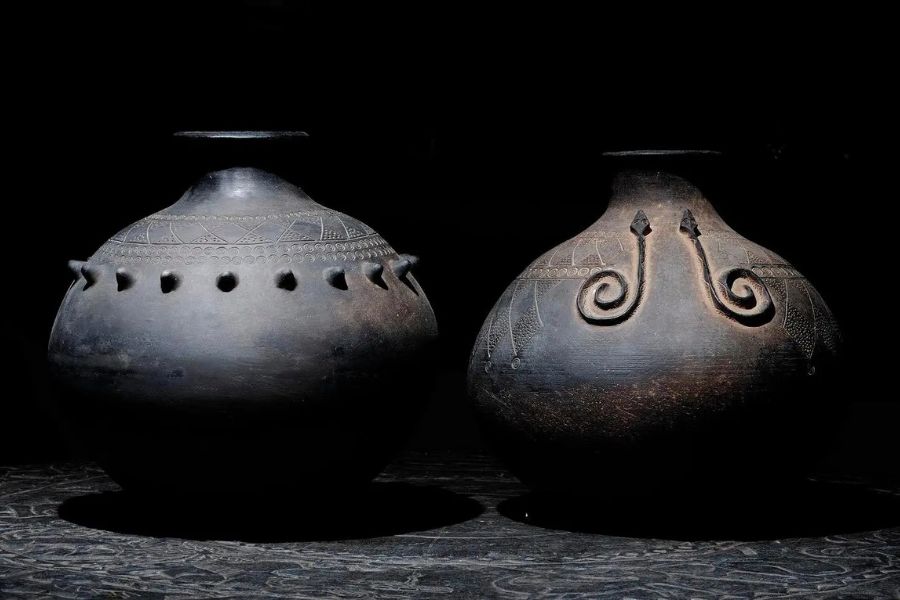
(Photo credit: Adisi Pottery Studio)
When Ancient Patterns Meet Designers
Tradition loses its breath if it remains only in museums. Indigenous artist Walis Labai draws from the traditional totemic elements of the Atayal, Seediq, and Truku peoples, transforming them into new patterns through digital illustration. These designs have been applied to sneakers, casual clothing, and bicycles, bringing Indigenous symbols into the realm of fashion. He has pointed out that Taiwan often uses Indigenous culture to highlight its diversity, yet Indigenous totems are rarely seen in everyday products. For this reason, he hopes to incorporate this cultural depth into more forms of visual communication, and even create a distinctive image for Indigenous athletes on international stages.
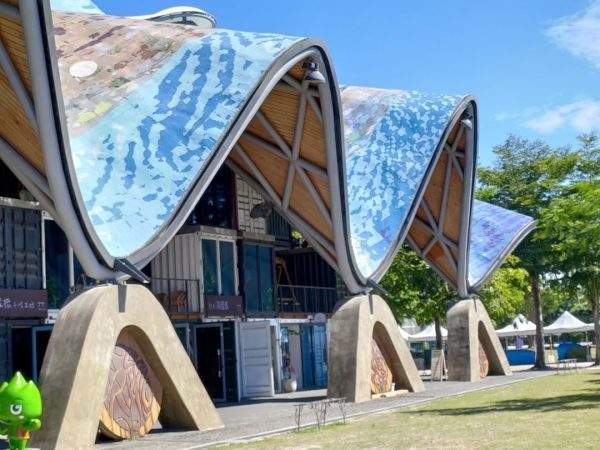
(Photo credit: @taitung.ttstyle)
From Wave House to the International Stage
Located in downtown Taitung, TTstyle Wave House features a roof inspired by mountains and the sea, with blue and seven-colored mosaic tiles symbolizing the gathering of Taitung’s seven major Indigenous groups. Today, 11 brands have moved into the space, including Qun Plank Boat Studio from Lanyu, Spoondrift Handmade, which creates works from marine waste, Artesano Ink Tattoo, known for original totem tattoo designs, and the Council of Indigenous Peoples’ LiMA physical concept store. Established in 1998, Cotton-hemp House developed an exclusive one-piece crochet technique. iliworkshop focuses on shell ginger weaving, while Mima’an Studio creates slippers and artworks from betel nut leaf sheaths.
In 2020, amid the impact of the pandemic, the Taitung County Government led local brands to move online for the first time, joining the MOM Platform under Maison & Objet Paris and the Pinkoi Online Exhibition. Through these efforts, totem patterns from Taitung entered a broader international field of vision.
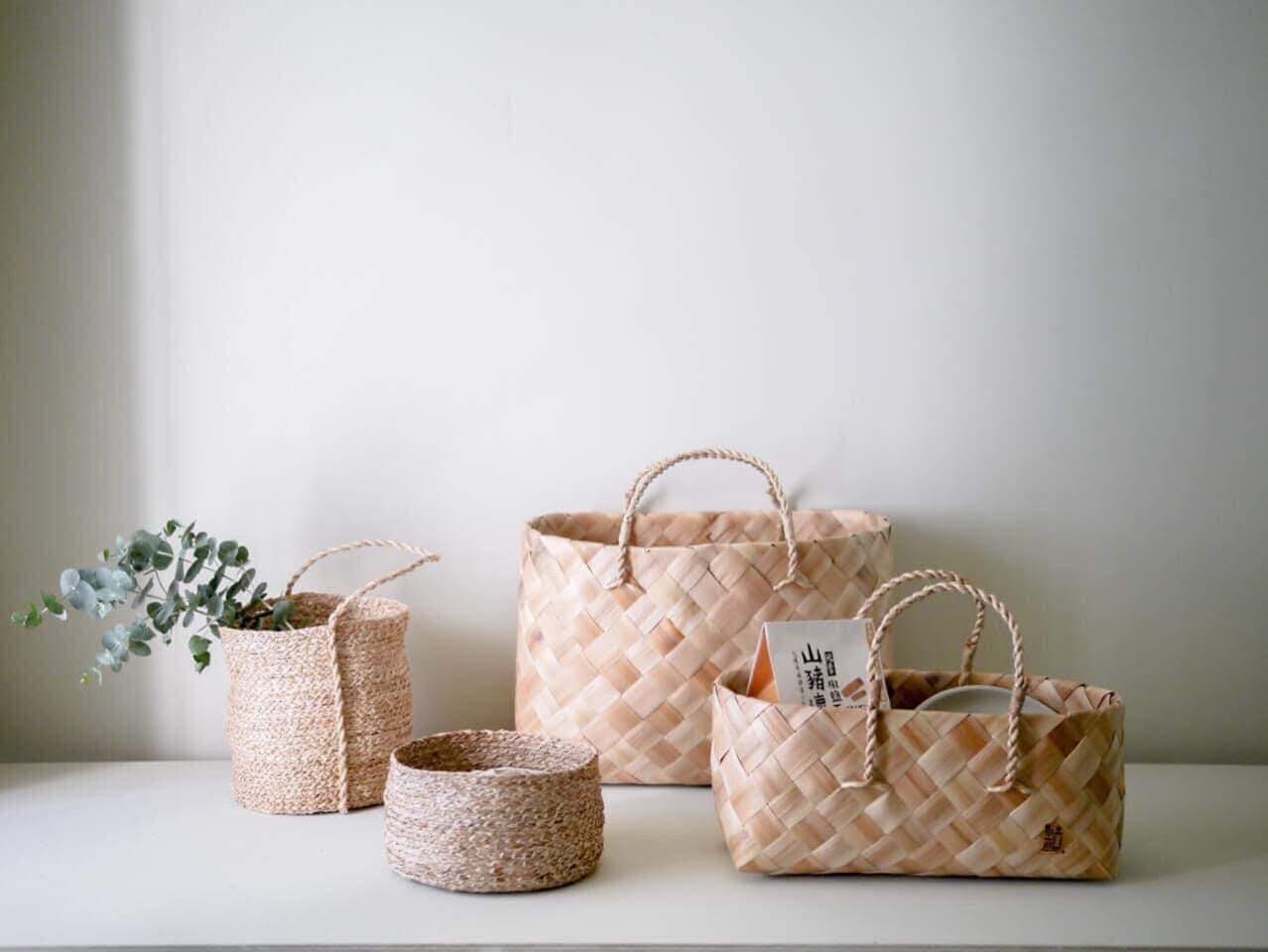
(Photo credit: iliworkshop)