


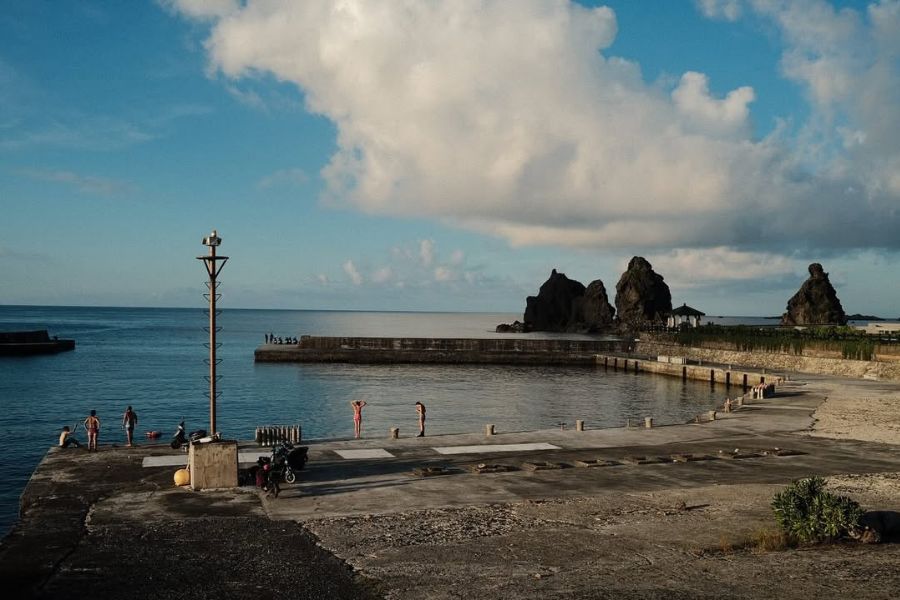
Surrounded by the sea on all sides, Green Island has long relied on the ocean. For generations, free diving and spearfishing were the traditional skills local fishermen depended on for their livelihood. Divers would plunge into the water in a single breath, relying on spearguns and their own endurance to catch reef fish. In earlier days, the catch was plentiful. A single hour at sea could bring back fish worth one or two thousand NT dollars.
As night spearfishing gradually became more common, however, heavy hunting began to take a serious toll on coral reef fish populations. Veteran fishermen openly admit that over the past decade, the catch has clearly declined. Fish in the sea are simply not as abundant as they once were.With its resources already being depleted, Green Island’s ocean has quietly sounded the alarm.
(Photo credit: @eamon_mo)
(Photo credit: @underblue5)
The Wake-Up Call of the Napoleon Wrasse Incident
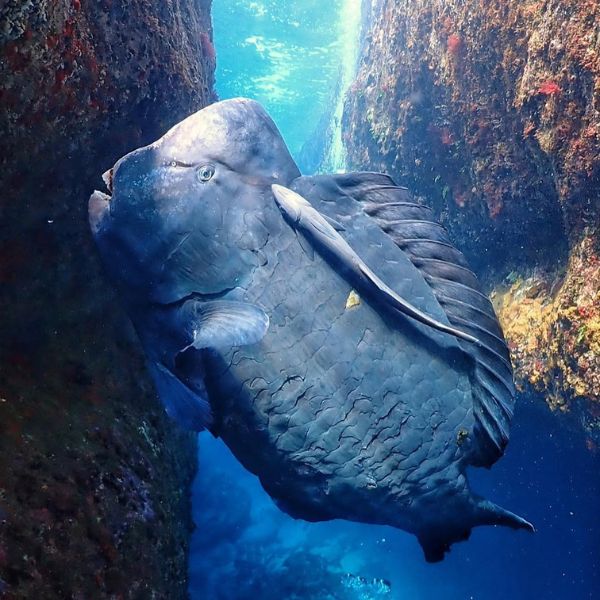
What truly brought public attention to Green Island’s marine ecology was a series of poaching cases involving protected species. In 2016, a guesthouse owner on Green Island posted photos on social media showing a Napoleon wrasse caught with a speargun. After investigation, the individual was sentenced to six months in prison and fined NT$300,000 for violating Taiwan’s Wildlife Conservation Act.
The Napoleon wrasse and the humphead parrotfish are currently the only two bony fish species in Taiwan listed as protected. The former is classified as endangered, while the latter is considered vulnerable. At one point, fewer than 30 humphead parrotfish had been recorded across Taiwan’s waters. These incidents sparked strong public criticism and forced the island to re-examine the tension between traditional fishing practices and ecological sustainability.
(Photo credit: @jamiechien)
Signs of Change
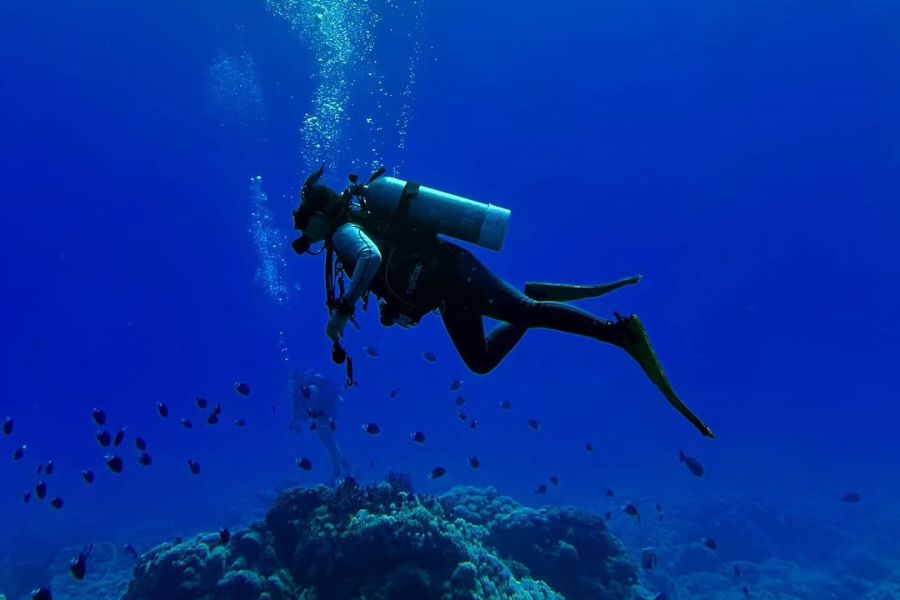
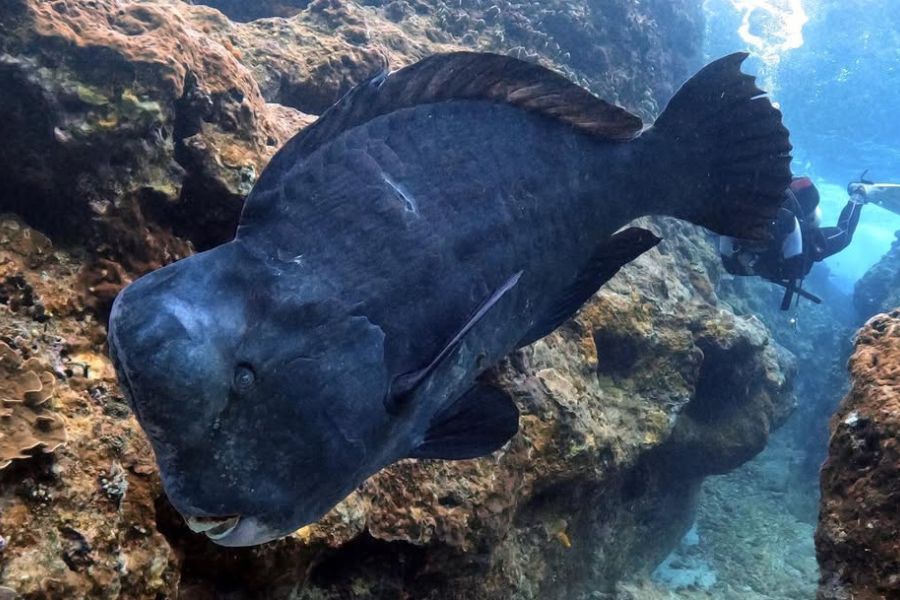
After years of conservation efforts, encouraging results are beginning to appear. In August 2024, a marine research team recorded a school of around 80 to 90 humphead parrotfish in the waters around the Dongsha Atoll — the first time in their careers they had witnessed such a remarkable sight.
Around Green Island and Lanyu, divers have increasingly spotted younger fish under 60 centimeters in length, along with occasional schools of more than ten individuals that include mature adults. These observations suggest that conservation measures are gradually taking effect. The Taitung County Government continues to work with national authorities to strengthen marine protected area management and enforcement, providing an institutional foundation for recovery of these waters.
(Photo credit: @oc.divingboy)
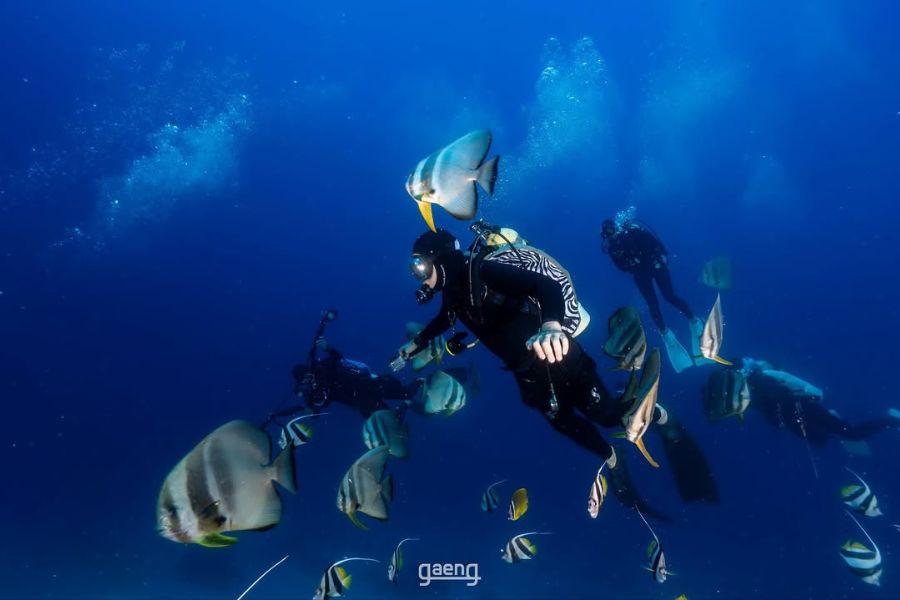
(Photo credit: @184_gaeng)
From Catching Fish to Watching Fish
Today, Green Island’s local economy is gradually shifting from traditional fishing toward tourism and marine education. Even in earlier years, fishermen who practiced spearfishing would intentionally avoid areas such as Shilang and Chaikou, leaving the colorful reef fish undisturbed for visitors to enjoy. That quiet respect for the island’s different livelihoods already foreshadowed the direction Green Island would eventually take.
Many veteran fishermen have come to embrace tourism as the island’s path forward, while younger generations have begun working as dive guides and marine interpreters, turning their ocean knowledge into the heart of the visitor experience.
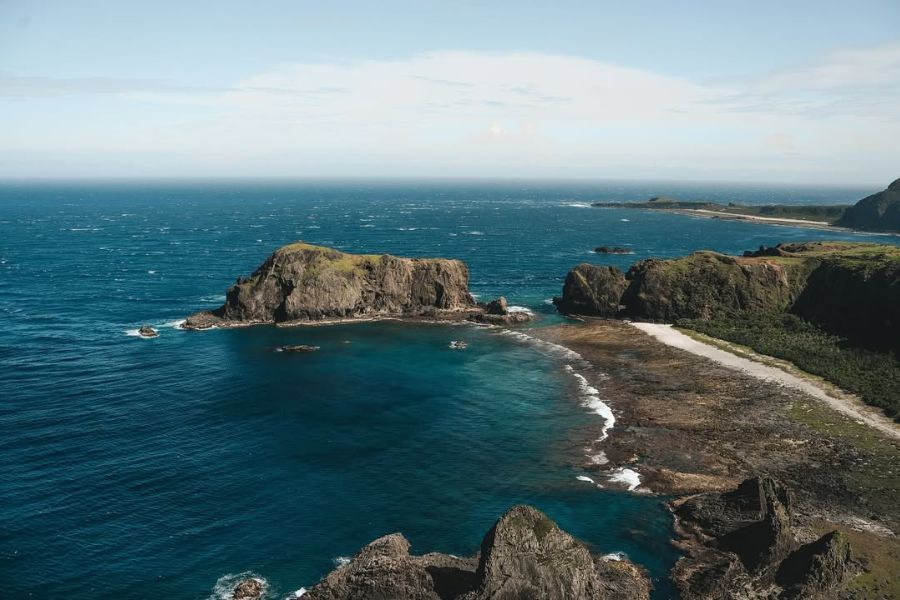
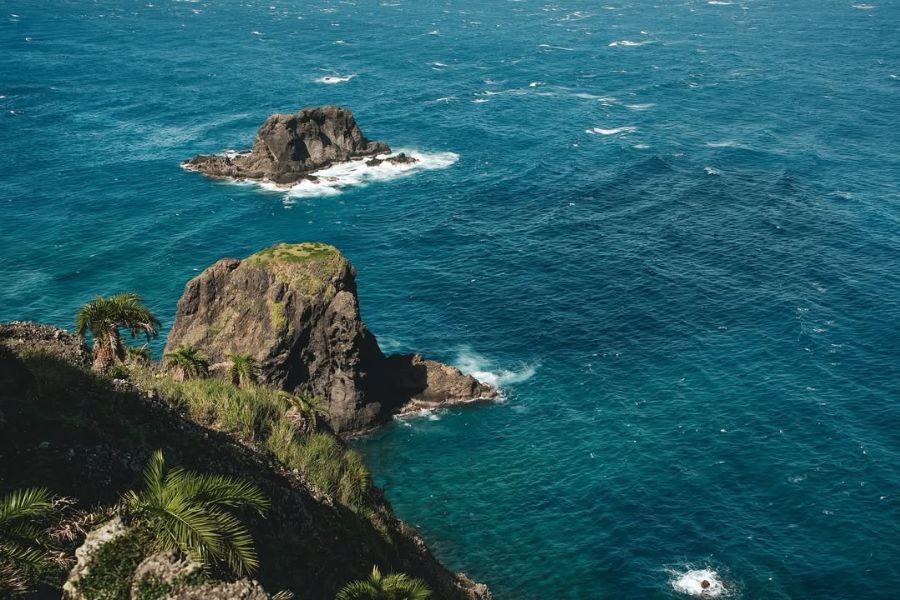
(Photo credit: @yoyo83818)
The Value of Leaving Fish in the Sea
From catching fish to protecting them, Green Island’s experience illustrates an important lesson: fish are often more valuable in the ocean than on a plate.
When travelers swim alongside fish in the waters of Shilang, or observe coral reef ecosystems up close while snorkeling at Chaikou, every moment of wonder becomes a direct affirmation of conservation. Green Island is not only a popular diving destination. It is also becoming an island where marine education plays a central role.
Here, the idea of “watch fish instead of catching them” is no longer just a slogan. It has become part of daily life, and a powerful starting point for protecting the ocean and the story of the fish that once disappeared.
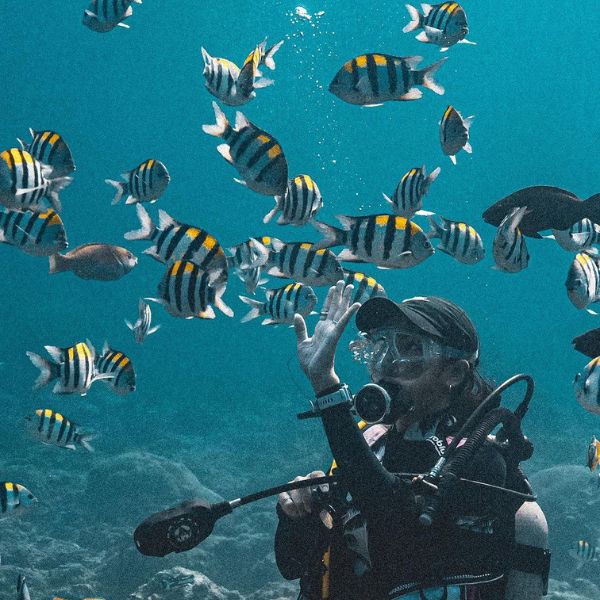
(Photo credit: @summer_hsia)
