


Abai is a traditional dish of the Paiwan, Rukai, and Puyuma peoples in Taitung. It is the indispensable soul food of important celebrations such as harvest festivals, thanksgiving ceremonies, and weddings. Together with pork, betel nut, and millet wine, Abai is regarded as one of the four symbolic foods of the harvest festival.
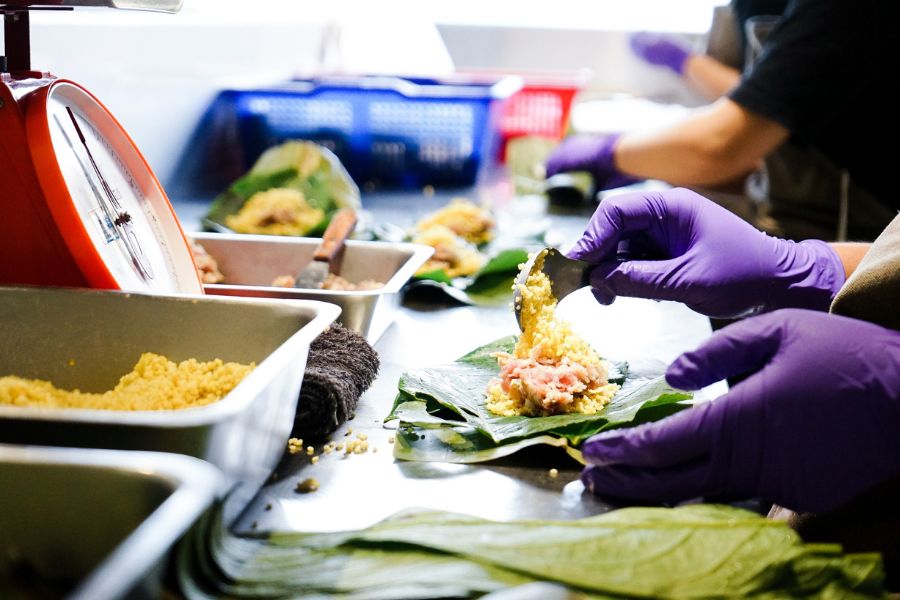
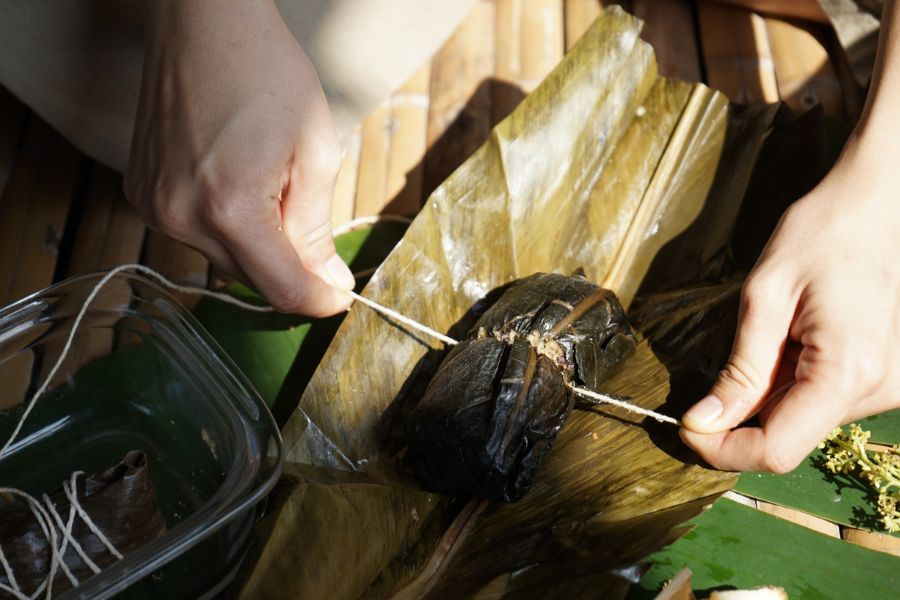
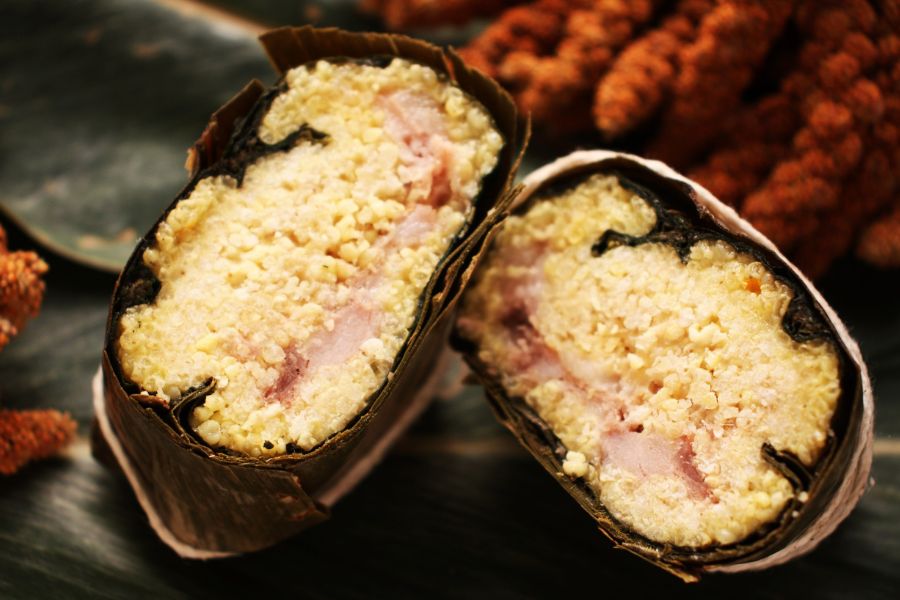
To prepare Abai, millet or glutinous rice mixed with pork filling is wrapped in Nicandra physaloides leaves. The bundle is then covered with blanched shell ginger leaves, tied with cotton string, and steamed. Unlike Han-style rice dumplings that use bamboo leaves, the Nicandra physaloides leaves adhere to the rice after cooking. The leaves are eaten together with the rice, creating layered textures and a distinctive herbal aroma.
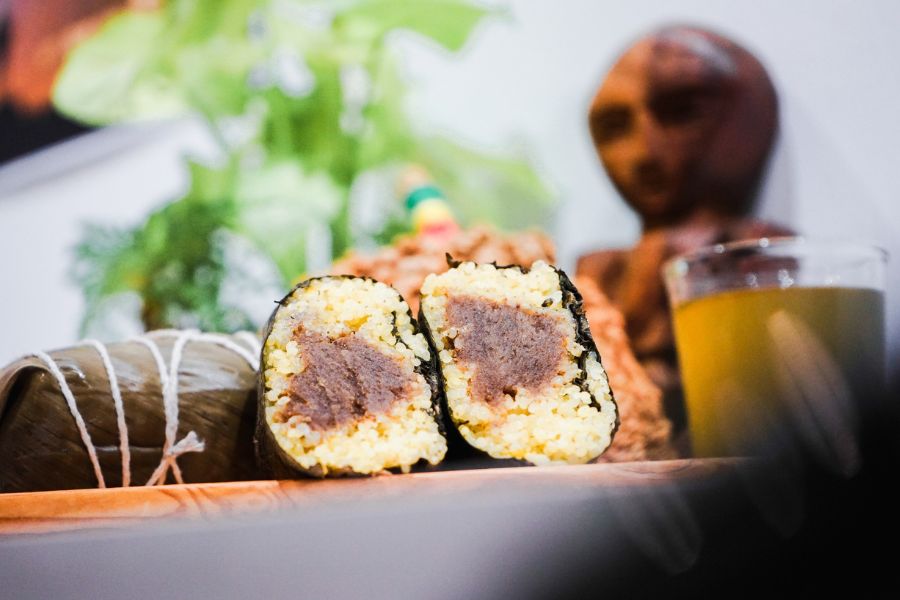
(Photo credit: @abai_taitung)
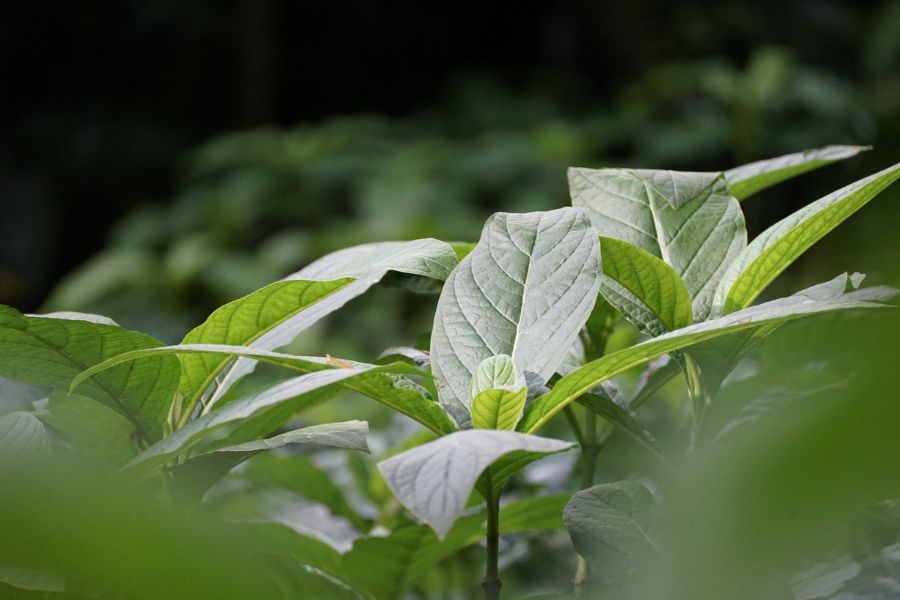
(Photo credit: @abai_taitung)
Flavors Rooted in the Land
Nicandra physaloides leaves are also a common edible wild plant in tribal communities. Rich in fiber and chlorophyll, they were traditionally used by elders to wrap food and extend its shelf life — a practical wisdom that hunters also relied on to keep food fresh during mountain hunts.
Millet, the key ingredient of Abai, is gluten-free and easy to digest. It retains a variety of nutrients and minerals, including vitamin B complex, vitamin E, calcium, phosphorus, and iron, making it suitable for people of all ages.
Across different tribal communities and environments, Abai has developed into many variations. Some versions incorporate taro flour, purple rice, or Taiwanese red quinoa. From everyday meals to festive gatherings, Abai carries memories of gratitude toward the land and the warmth of family reunions.
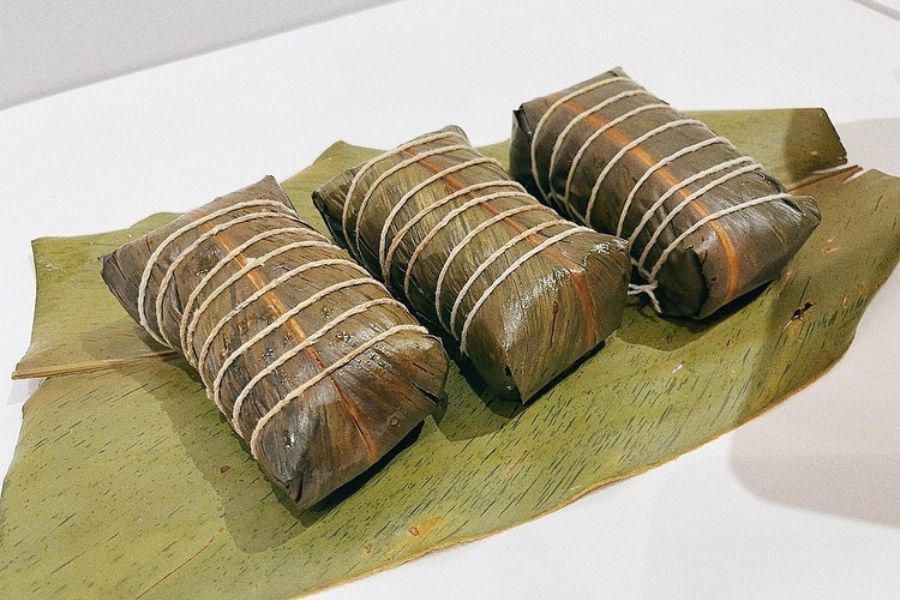
(Photo credit: @love65521)
When Abai Enters Urban Life
In recent years, the Taitung County Government has actively promoted Indigenous culinary culture. During the 2025 Dragon Boat Festival, an event titled “Flavors of Taitung: Culinary Heritage in Celebration” was held at Wave House. The event combined Indigenous cuisine, parent-child creative activities, and tribal storytelling.
Through exhibitions, guided tours, hands-on workshops, and limited-edition dishes, visitors could connect with tribal culture through taste and touch. The Taromak Tribe brand Bai-Chung-Ren Foodstuff hosted a workshop during the event, teaching participants the full process of making Abai—from selecting leaves and preparing ingredients to wrapping and tying the dumplings, bringing traditional cuisine into more people’s lives.
(Photo credit: @abai_taitung)
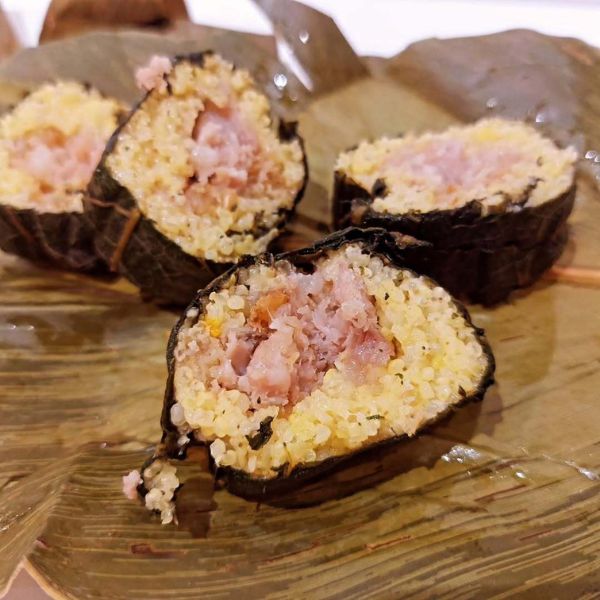
(Photo credit: @min_mindy_mindy)
A Single Leaf Supporting a Community
In recent years, the Taitung County Government has actively promoted Indigenous culinary culture. During the 2025 Dragon Boat Festival, an event titled “Flavors of Taitung: Culinary Heritage in Celebration” was held at Wave House. The event combined Indigenous cuisine, parent-child creative activities, and tribal storytelling.
Through exhibitions, guided tours, hands-on workshops, and limited-edition dishes, visitors could connect with tribal culture through taste and touch. The Taromak Tribe brand Bai-Chung-Ren Foodstuff hosted a workshop during the event, teaching participants the full process of making Abai—from selecting leaves and preparing ingredients to wrapping and tying the dumplings, bringing traditional cuisine into more people’s lives.
Across different tribal communities and environments, Abai has developed into many variations. Some versions incorporate taro flour, purple rice, or Taiwanese red quinoa. From everyday meals to festive gatherings, Abai carries memories of gratitude toward the land and the warmth of family reunions.
(Photo credit: @abai_taitung)
Continuing the Spirit of Tradition
Bai-Chung-Ren Foodstuff offers more than just Abai. The team is committed to promoting Indigenous culture through food.
Calling themselves the “Charlie’s Angels,” they lead tribal mothers to participate in exhibitions and sales events beyond the community. These activities create job opportunities and build self-confidence for Indigenous women.
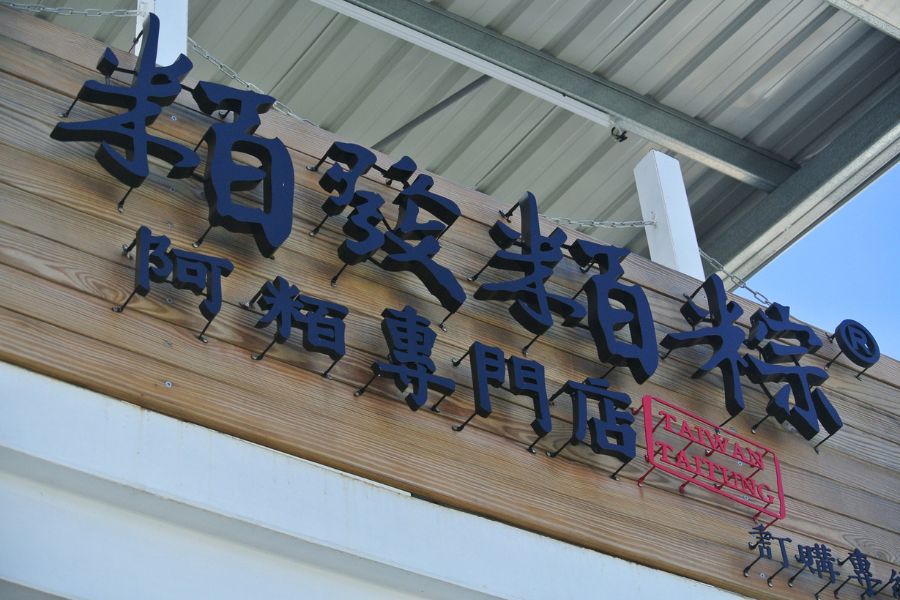
From expanding B2B distribution channels to operating a physical storefront, the team has returned to their founding spirit of face-to-face connection with customers. When travelers take a bite of Abai, tasting the fragrance of shell ginger leaves and the soft, sticky sweetness of millet, they also experience the soul of a dish rooted in tribal heritage and the warmth of home.
(Photo credit: @abai_taitung)
