


Taro arrived on Lanyu more than a century ago, carried across the seas by the canoes of Austronesian peoples. Known to botanists as Canoe Plants, taro has taken root in the island’s unique environment and developed remarkable diversity. Today, more than twenty varieties of both wetland and dryland taro are cultivated on Lanyu—surpassing even those found in the Batanes Islands of the Philippines, another Austronesian region. Ancient varieties documented during the Japanese colonial period by zoologist Tadao Kano, such as Alaleng, the white taro Opinoyayo, and the ceremonial taro Rarakoasoli, continue to grow in the island’s fields.
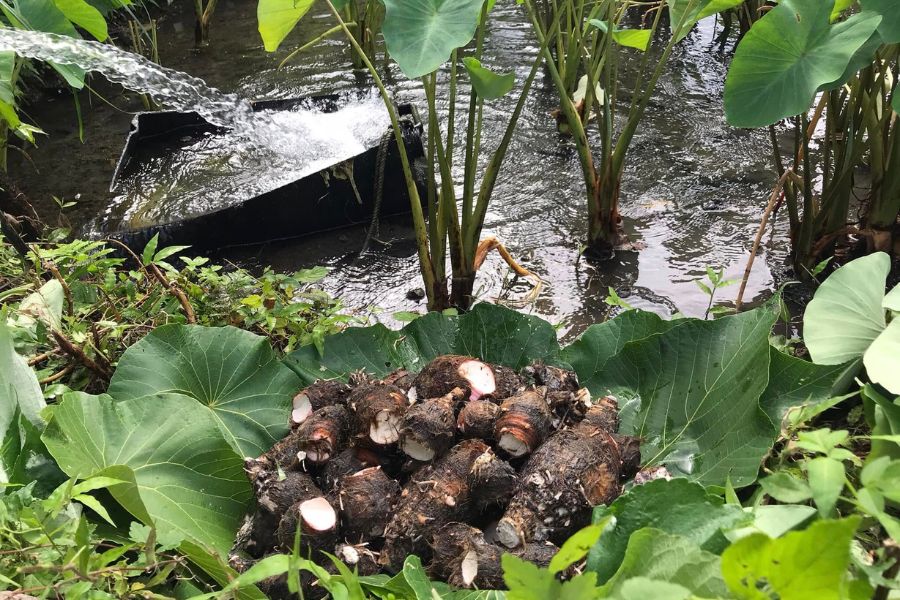
(Photo credit: Lanyu Vaoyo)
The Sea and the Fields of Tao Women
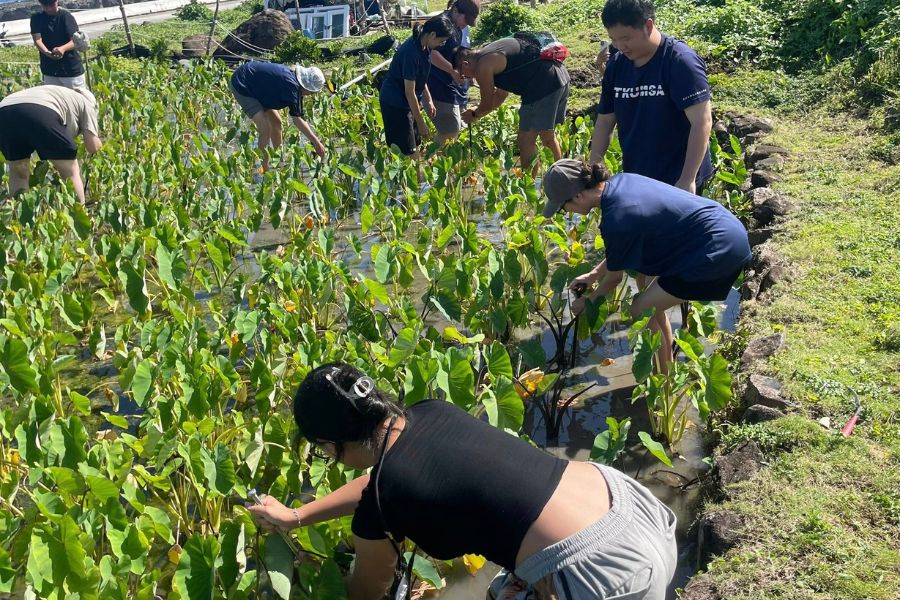
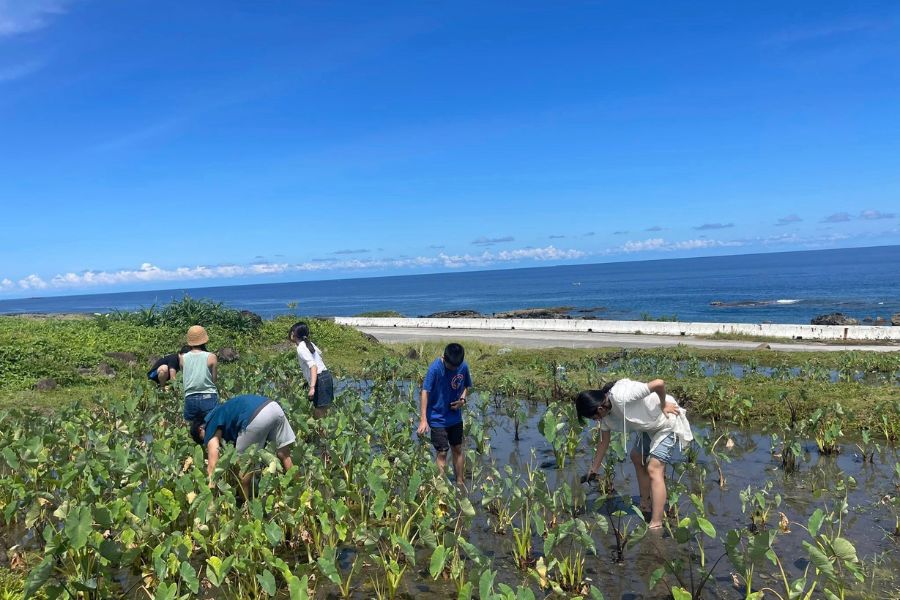
On Lanyu, there is a saying: mangap so kanen—“going to the fields to harvest taro.” For the Tao people, preparing a meal does not begin with a rice cooker, but with stepping into the fields. For Tao women, taro fields are as essential as the sea is to men, forming a vital foundation of daily life and the family table. According to water quality, soil conditions, and terrain, women carefully manage different taro varieties, often planting five to six types in a single field for household use. No pesticides are applied; instead, aquatic plants such as azolla and duckweed enrich the soil, while birds and frogs help protect crops from pests—demonstrating traditional agricultural wisdom rooted in coexistence with nature.
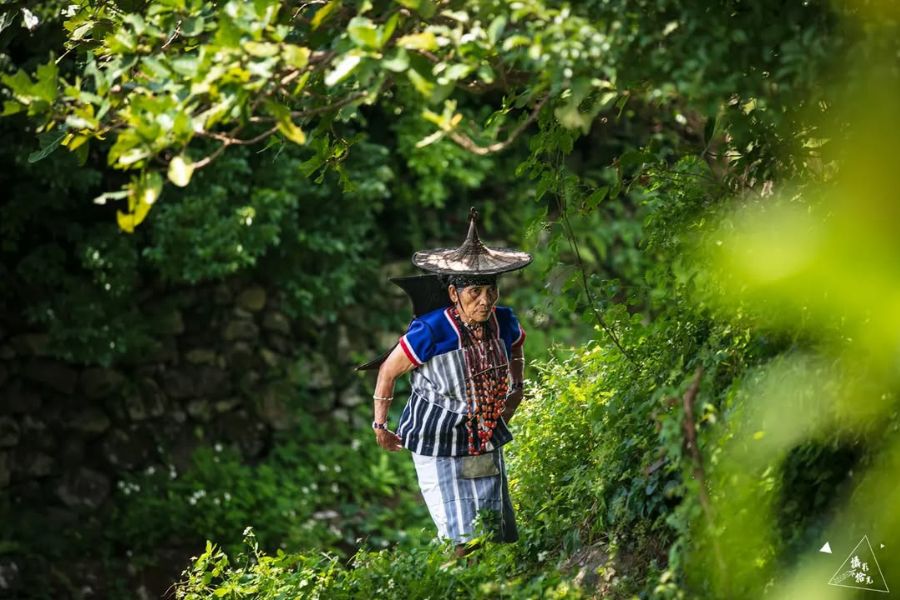
(Photo credit: @tommot8785)
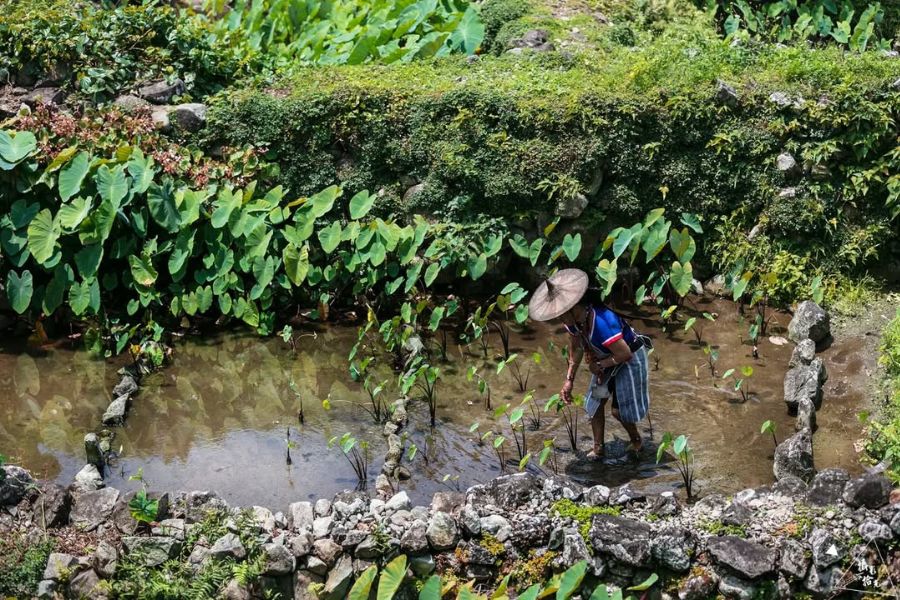
(Photo credit: @tommot8785)
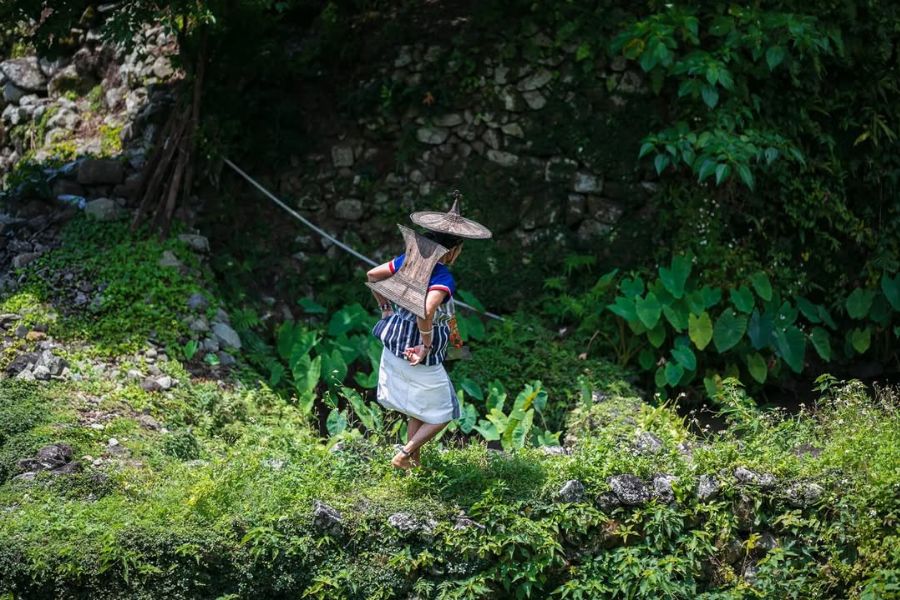
(Photo credit: @tommot8785)
A Cultural Core of Rituals and Customs
On Lanyu, taro is more than a staple food—it is deeply embedded in rituals and daily customs. During the launch of a traditional large boat, women dressed in ceremonial attire harvest taro from the fields and pile stalk-attached taro into a “taro mountain” that covers the entire vessel. Only after ritual chants and blessings does the boat enter the sea. Taro also appears at important occasions such as house completions and newborn naming ceremonies. Growing large, robust taro and sharing it during rituals symbolizes agricultural abundance and a family’s cultivation skills.
(Photo credit: Lanyu Vaoyo)
From Traditional Flavors to Island Cuisine
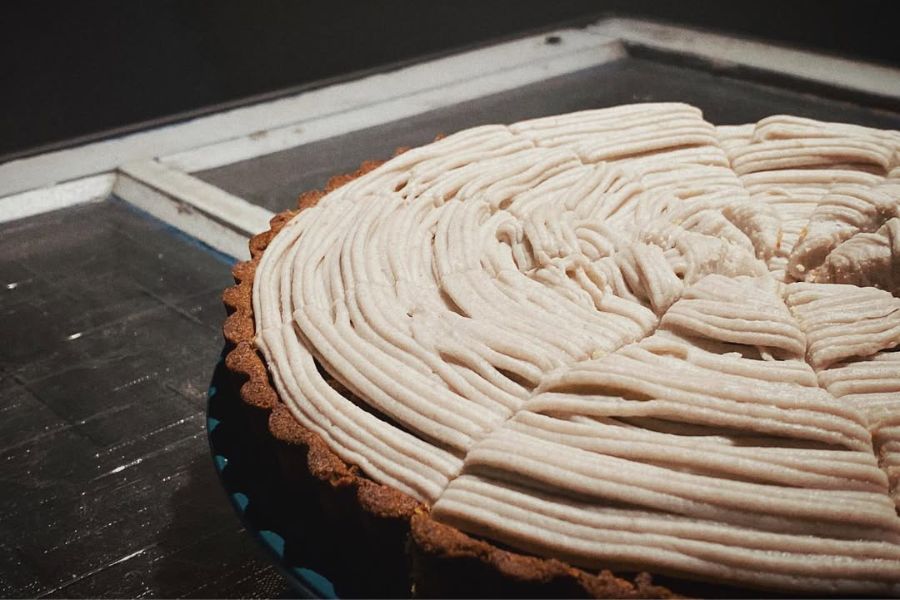
Boiled taro served with dried flying fish is a classic dish on Lanyu. Taro stems are also fully utilized—steamed with dried flying fish or preserved as salted pickles. Each year during minganangana, women prepare taro cakes by combining two or three taro varieties. After peeling and pounding the taro, they add pork fat drippings from smoked meat and crab meat collected from the intertidal zone, presenting a hearty communal dish. Today, only a few elder women still possess the knowledge to make taro cakes, making this culinary tradition especially precious.
(Photo credit: @milamsoy)
(Photo credit: @svala_hsu)
Youth Creativity Bringing Taro to the Table
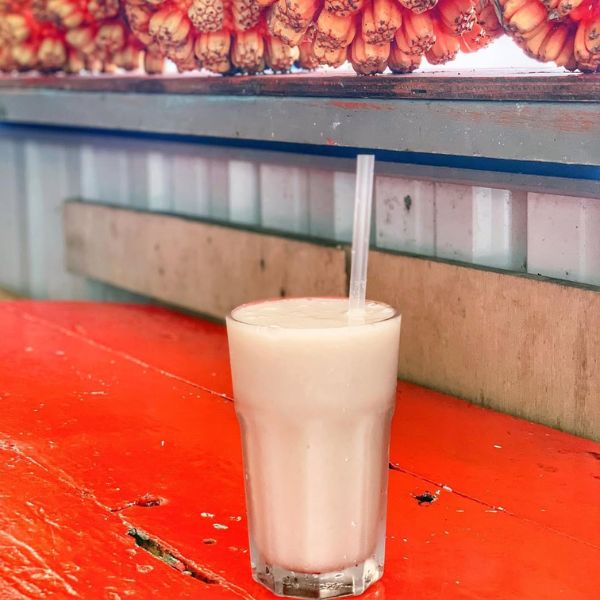
In recent years, local youth have reimagined Lanyu taro through contemporary cuisine. In Langdao, the dessert shop Milamsoy offers creative treats such as Lanyu taro pie and guava mousse. In Yeyou Village, Serang Smoothie Shop uses homegrown traditional taro to create refreshing desserts, allowing visitors to experience the chewy, hearty texture unique to wetland taro. The Forestry Research Institute has also collaborated with Lanyu Senior High School on food and agricultural education programs, incorporating Lanyu taro into school lunches and organizing regular tastings. From traditional family tables to youth entrepreneurship and school-based food education, Lanyu taro continues to be rediscovered in diverse ways, allowing this Austronesian crop to thrive on contemporary tables.
(Photo credit: Lanyu Vaoyo)
From the responsible whale-watching voyages of Jin-Ling Whale Watching to the ecological interpretation at the Marine Environmental Education Center, Taitung’s East Coast offers diverse ways to connect with the ocean. Beyond its magnificent mountain-and-sea landscapes, the region is rich in fishing village culture and ecological stories, inviting travelers to a whale-finding mission where sightings cannot be guaranteed, yet the experience is well worth anticipating—one guided by respect for nature.

(Photo credit: @f091451)
