


Among Indigenous communities in Taitung, an ancient legend has long been passed down about a warrior named Sayang, who would head into the mountains to hunt without bringing any dried food and always return with a solid haul of wild boars, hares, and flying squirrels. Curious villagers followed him home and discovered a pot of pigeon pea and wild boar soup simmering over the fire. From that moment on, the dish became known as Warrior’s Soup.
In the Amis language, the pigeon pea is called “vataan.” This legume contains 20–22% protein and 55% starch, along with nutrients such as zinc, iron, vitamin E, and B vitamins. Revered as the “king of legumes,” the pigeon pea has long been an essential food source for Indigenous communities.
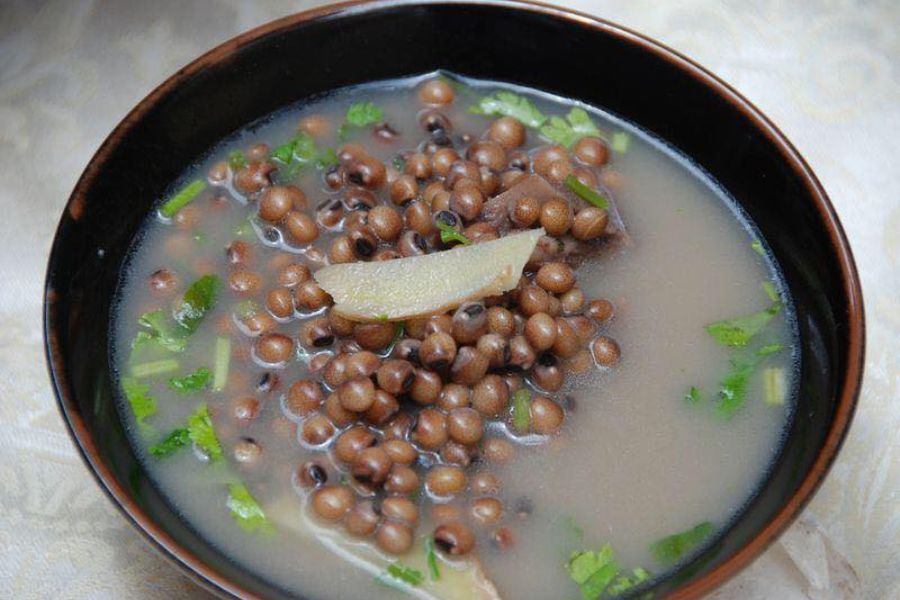
(Photo credit: Taitung County Farmers’ Association)
A Drought-Resistant Crop Living in Harmony with the Land
The pigeon pea’s role as a staple food is closely tied to its resilience for survival. Drought-tolerant and capable of thriving in poor soil, it is an important component in hillside farming. It also contributes to nitrogen fixation, improving soil quality and benefiting the environment.
Traditionally, pigeon peas were planted as companion crops, grown in small quantities around the fields of primary crops. After being harvested, the peas had to be shelled and sorted by hand, making them rare and precious. Winter is the peak harvest season, when the small peas appear with a red, green, or black gloss. In Indigenous culture, they are regarded as symbols of good fortune and happiness.
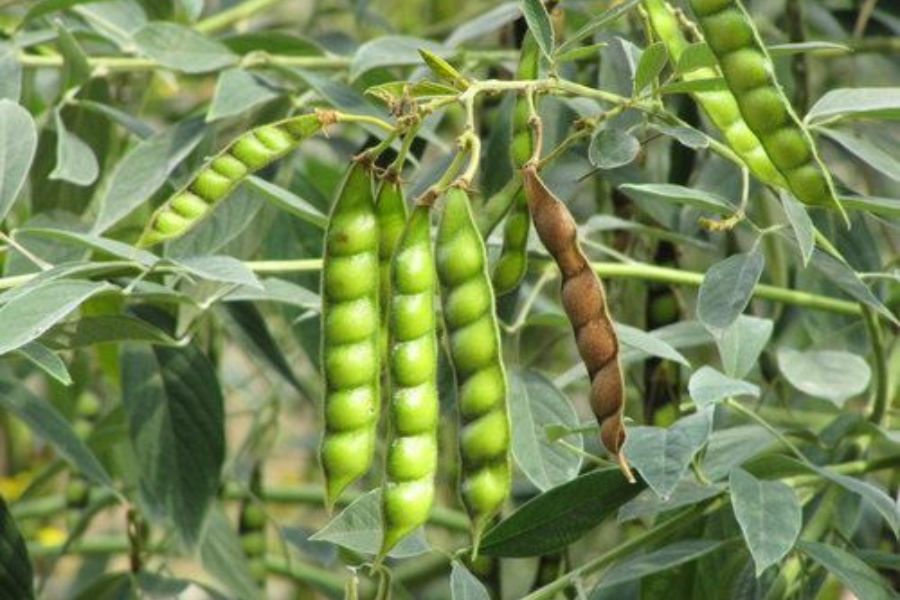
(Photo credit: Taitung County Farmers’ Association)
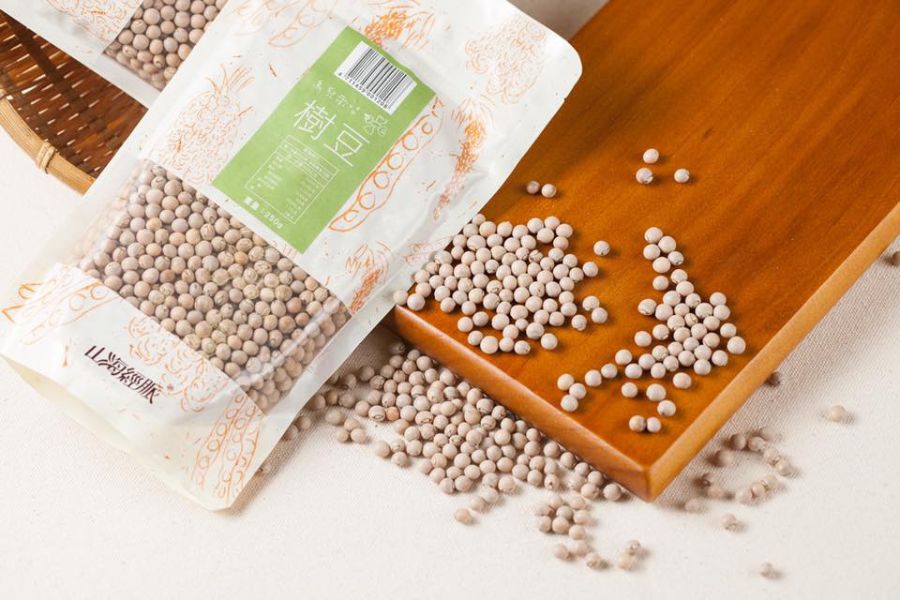
(Photo credit: Taitung County Farmers’ Association)
The Painstaking Process Behind a Bowl of Hot Soup
Such a treasured ingredient requires proper preparation to bring out its full flavor. Although Warrior’s Soup appears simple, cooking it is a meticulous task. Fresh pigeon peas can be cooked directly, while dried peas must be soaked for at least two hours. Some cooks refrigerate them for several days to encourage sprouting and enhance nutritional value.
After blanching pork knuckles or ribs to remove impurities, the meat is slow-simmered with pigeon peas and ginger slices for about 90 minutes and then seasoned with rice wine and salt. In many communities, garlic and coriander are added for a richer flavor, and some people put in white radish or corn for extra depth. With lots of protein and starch, this soup provides the complete dose of energy hunters rely on in the mountains.
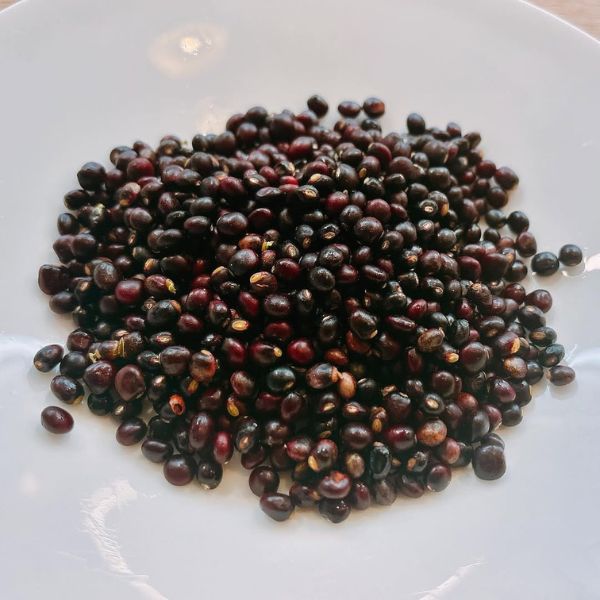
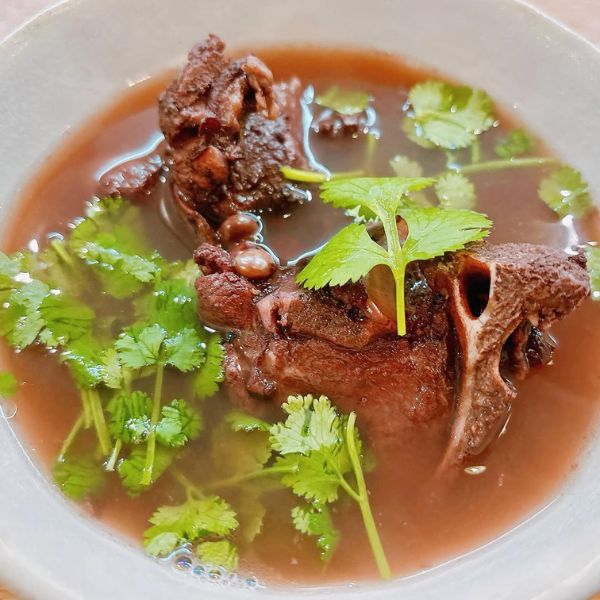
(Photo credit: @laajimmy)
From Indigenous Hearths to the Contemporary Food Culture
Today, this traditional wisdom is finding new expression. In recent years, Taitung County has actively promoted food and agricultural education as well as Indigenous culinary heritage. The Good Food Festival, initiated under the auspices of the Green Dining Guide, selected the pigeon pea as its inaugural featured ingredient, connecting dining tables directly to farms.
Taitung’s RayLiang Restaurant has transformed this source of warriors’ strength into a dessert it calls Pigeon Pea Mont Blanc. In Beinan, Rice & Shellflowers offers pigeon pea curry wraps, combining such ingredients as local turmeric and coconut in a layered showcase of the flavors of eastern Taiwan’s agricultural landscape. From traditional soups to innovative cuisine, the pigeon pea is making a diverse, creative comeback to people’s everyday diets.
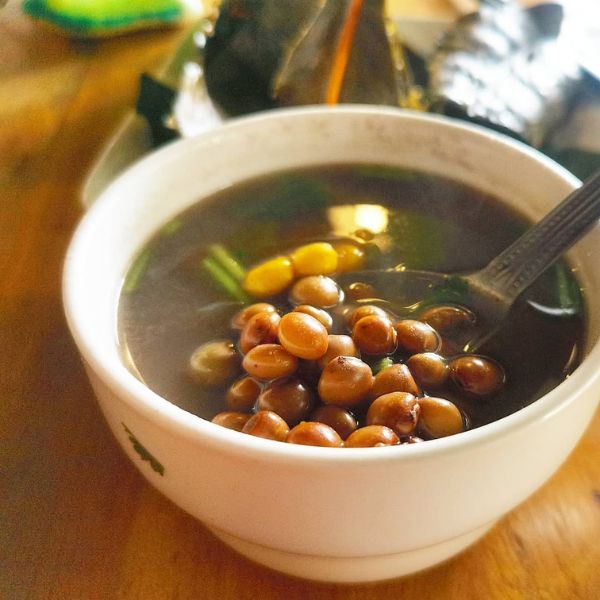
(Photo credit: @neolu4444)
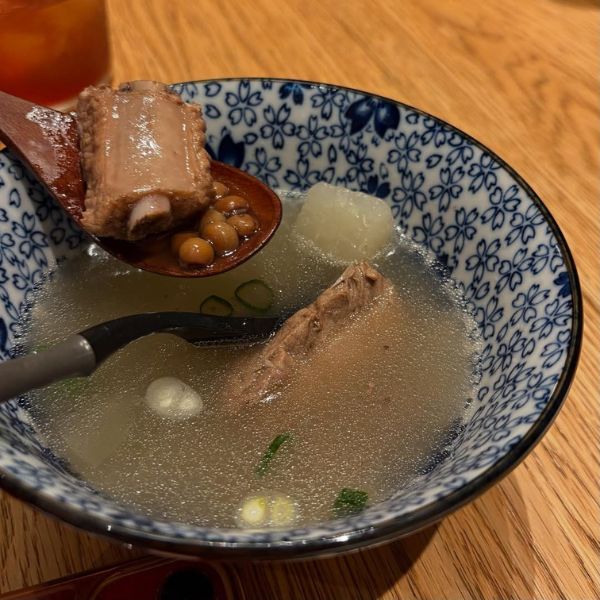
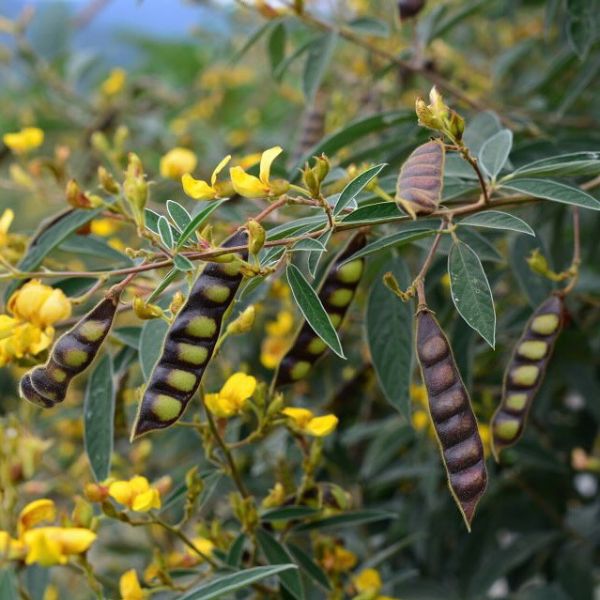
(Photo credit: @dea_roselle_asmile)
Indigenous Flavors at Winter Markets
If you want to experience this local taste firsthand, a visit to Taitung’s traditional markets is highly recommended, where elderly Indigenous people are happy to tell the stories behind the ingredients while sharing cooking tips. Each bundle of fresh pigeon peas carries the Indigenous wisdom of living in harmony with the land.
More than a nourishing winter dish, Warrior’s Soup embodies the dietary memories of Indigenous people and their symbiotic connection to the land and is thus an experience to be deeply savored.
