


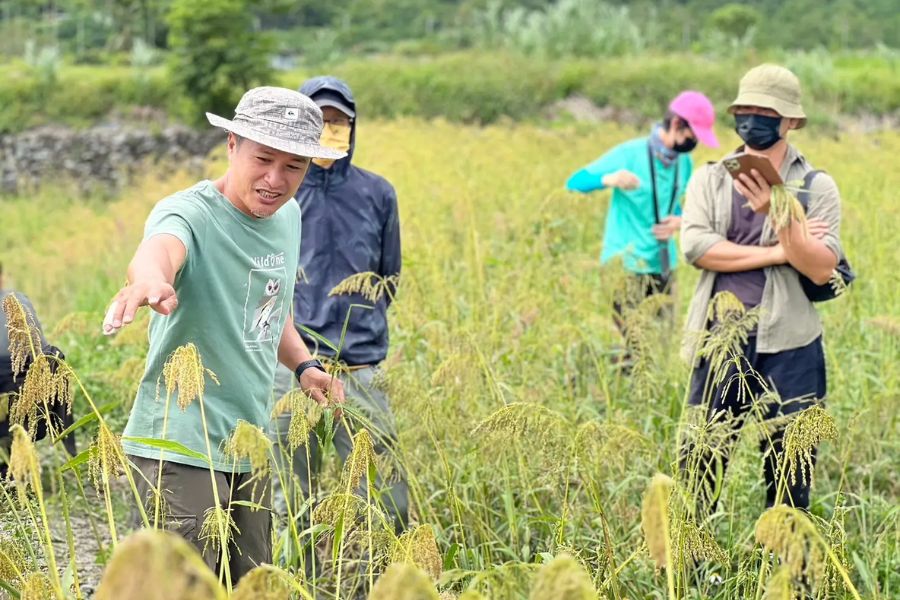
Taitung is renowned for having the best air quality in Taiwan, consistently ranking first in the proportion of days with good air quality, as well as maintaining the lowest average concentrations of fine particulate matter and ozone. This clean environment has nurtured premium agricultural products such as sugar apples, atemoyas, rice, and summer snow (xiaxue) mangoes. However, agricultural production also generates waste including rice straw, discarded branches and leaves, and unsellable fruit. If burned, they produce smoke and carbon dioxide while degrading soil fertility. To address this challenge, Taitung has actively promoted resource recovery for agricultural waste, encouraging farmers to adopt reuse practices such as physically breaking down and burying such waste on-site to increase the organic content of the soil, and using rice straw to suppress weed growth and thus reduce reliance on herbicides.
(Photo credit: Taitung County Government)
Integrating Resources to Advance Circular Applications
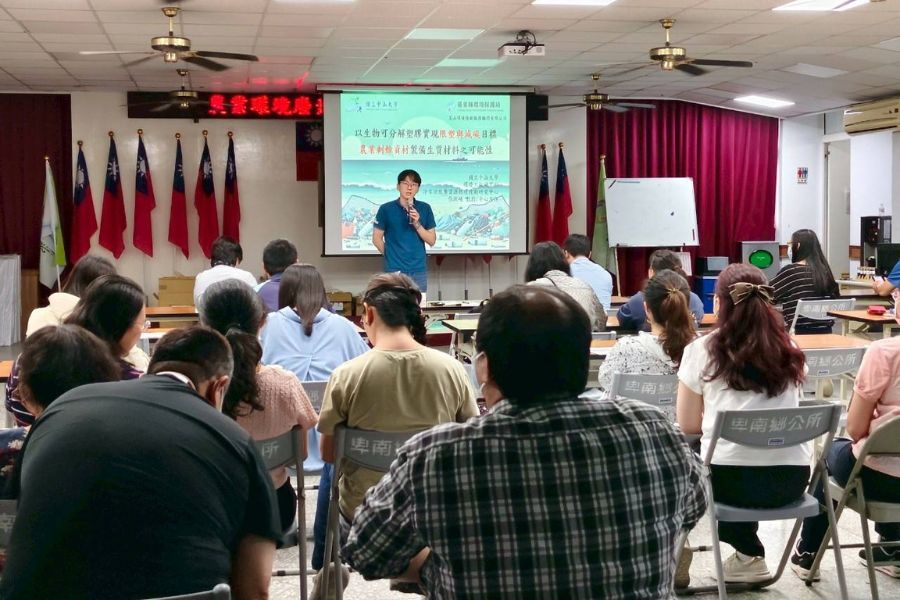
To promote the circular use of agricultural materials, the Environmental Protection Bureau held a conference on agricultural material waste recycling and reuse at the Beinan Township Office in July 2025. It focused on innovative circular solutions for commonly used items such as sugar apple bags, plastic cold-protection bags, and fruit and vegetable nets. Participants included the Ministry of Agriculture’s Agriculture and Food Agency, the County Agriculture Department, township and city offices, farmers’ associations, and local farmers. During the event, Professor Chang Geng-Ling from National Sun Yat-sen University shared research findings on environmentally friendly plastics, introducing their material properties and carbon reduction benefits to help farmers better understand existing circular technologies and enhance the green competitiveness of the agricultural sector.
(Photo credit: Taitung Environmental Protection Bureau)
(Photo credit: Taitung Environmental Protection Bureau)
Domestic Timber Base Opens New Pathways for Education on Wood
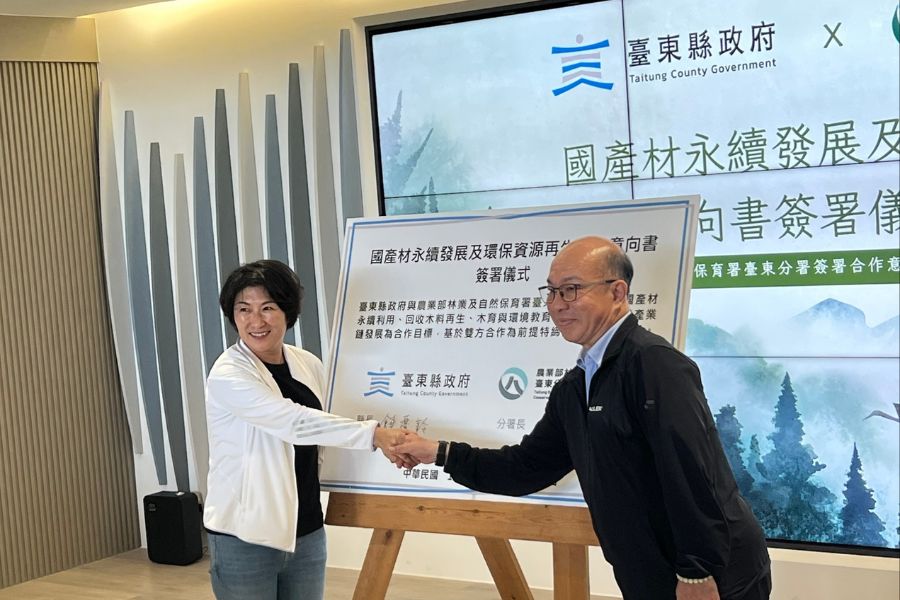
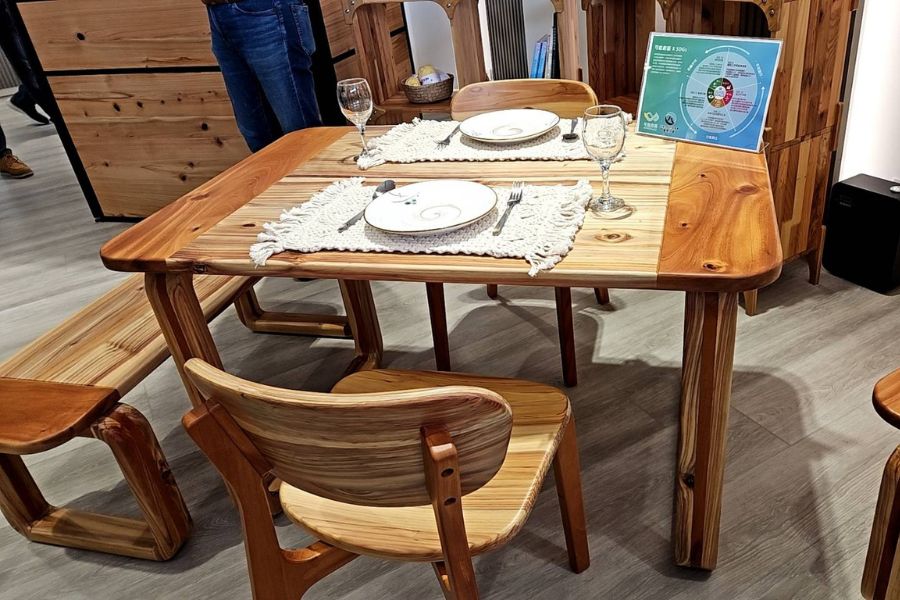
Besides agricultural materials, circular applications for domestically produced timber are also taking shape. In July 2025, the county government signed an agreement with the Forestry and Nature Conservation Agency to repurpose Taitung’s Large-Scale Waste Recycling Center into a Domestic Timber Base. This micro-scale production and distribution platform provides a wide range of timber products for construction, furniture, and crafts, supporting small-scale industries and artisans that rely on wood. In the future, the site will be further developed into a center for education on wood and the environment, hosting teacher training programs, family activities, and themed courses. Through hands-on learning, the public will gain a deeper understanding of the value of forest resources and their reusability.
(Photo credit: Taitung Environmental Protection Bureau)
(Photo credit: Kaiana Workshop)
Rediscovering Connections to the Land Through Traditional Grain Revival
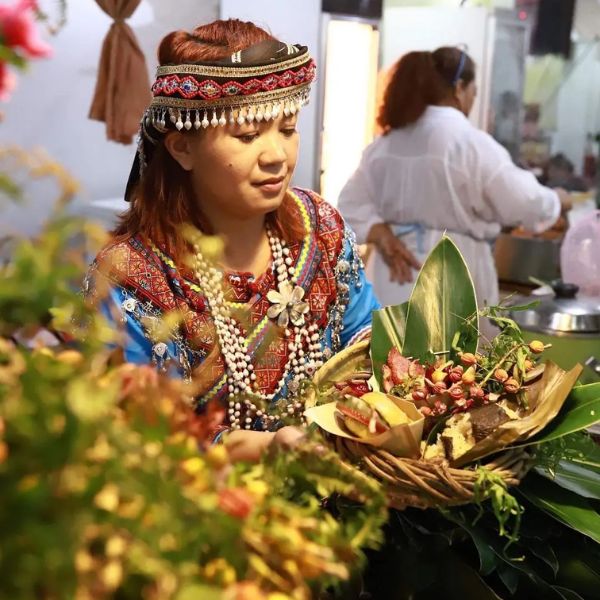
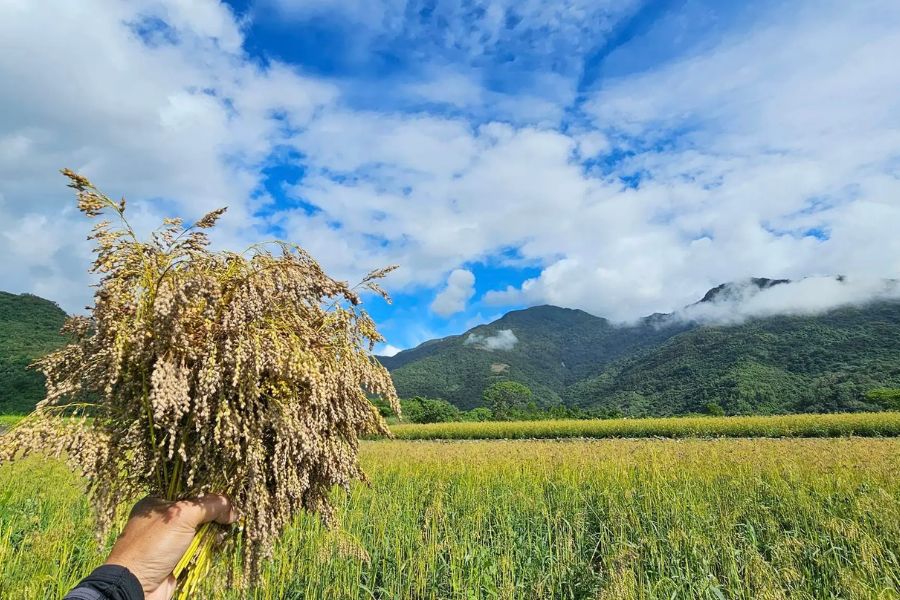
Building on circular resource practices, rural communities in Taitung are also uncovering new sustainable possibilities with traditional crops. In the foothills of Wuling in Yanping Township, Bunun youth Chiu Hsiao-Cheng and his father, Chiu Kuei-Chun, have dedicated themselves to reviving the cultivation of Taiwan oil millet, a traditional grain that had disappeared from farming for nearly half a century. Research by Academia Sinica has confirmed Taiwan oil millet as a drought- and salt-tolerant “superfood of the future.” The entire plant can be utilized within a circular economy framework, with seeds for human consumption and stalks used as animal feed. The local Kanashui Workshop offers millet and oil millet rice dishes, while the Kaiana Workshop in Haiduan Township and the Uninang Multicultural Workshop in Yanping have also developed Taiwan oil millet cuisine, restoring traditional grains as a bridge between culture and everyday life.
(Photo credit: 以斯馬哈散農莊)
(Photo credit: Good Time Fruit)
Rural Revitalization Linking Circular Practices and Culture
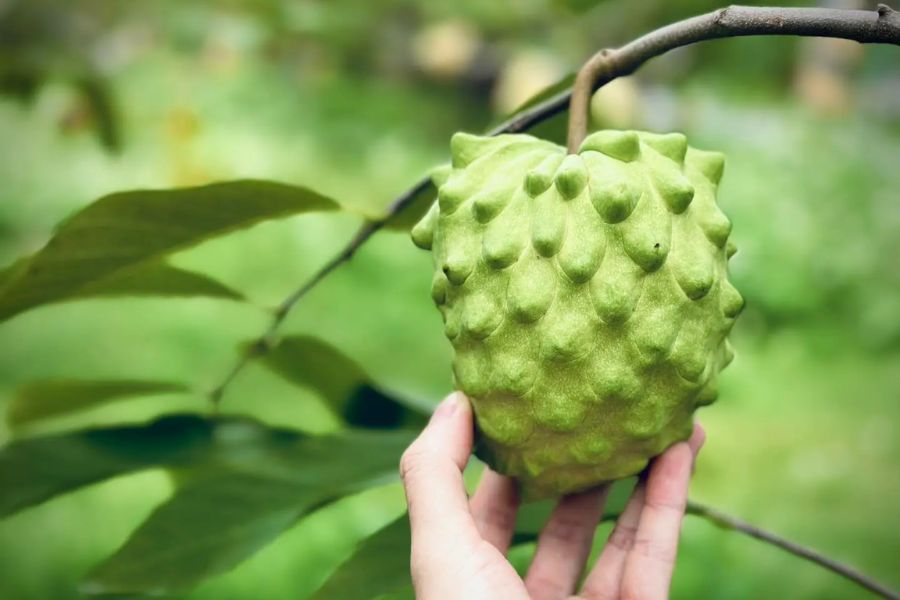
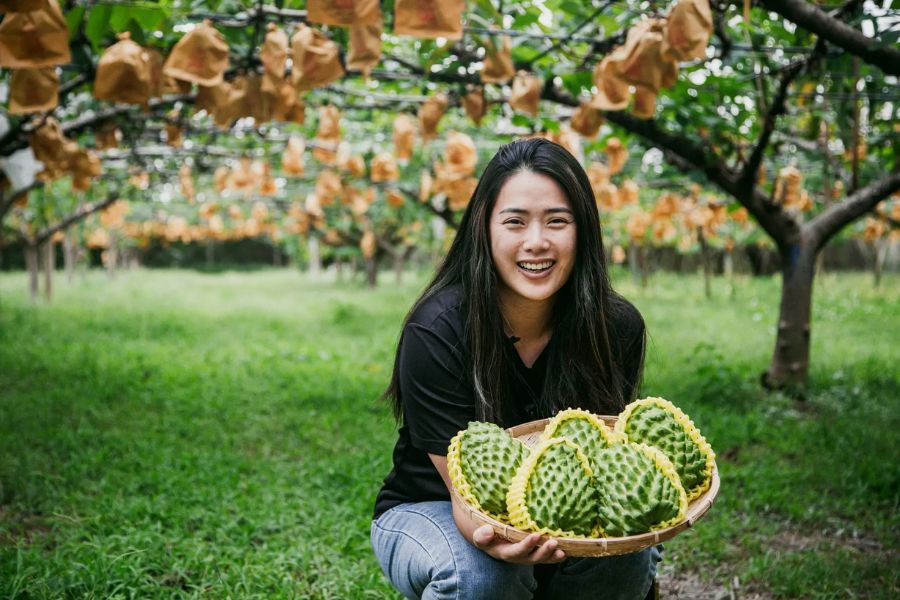
This circular philosophy also extends to food and agricultural education as well as community revitalization. Founded by young farmers in Taitung, Good Time Fruit grows sugar apples via sustainable farming methods and offers fruit-picking experiences, jam-making workshops, and potted-plant DIY activities using sugar apple wood, transforming agricultural waste into hands-on educational materials. The Fufeng Community incorporates rice straw and shell ginger with Amis weaving techniques to develop cultural crafts and markets. Meanwhile, the Sanmin Community in Chenggong transforms such marine debris as discarded fishing nets and buoys into bracelets, light fixtures, and other crafts, demonstrating how a circular lifestyle connects the land to everyday life.
(Photo credit: Good Time Fruit)
