


Every November, as the northeast monsoon sweeps along Taitung’s coast, the navel oranges turn a rich golden hue. Originally from 1920s Brazil and introduced to Taiwan during the Japanese era, this rare fruit found its perfect home in Chenggong Township and Donghe Township.
The orchards of Kanzai Hill—a historic citrus-growing area in Chenggong with over 90 years of cultivation—benefit from a Mediterranean-like climate and large day-night temperature differences. These conditions produce oranges with a sugar level of 12–13° Brix and acidity of just 0.5–0.8%. Each fruit, weighing about 200–250 grams, features a small secondary fruit forming the distinct “navel.” The seedless, soft, and juicy pulp has earned it the reputation as the “Rolls-Royce of citrus.”
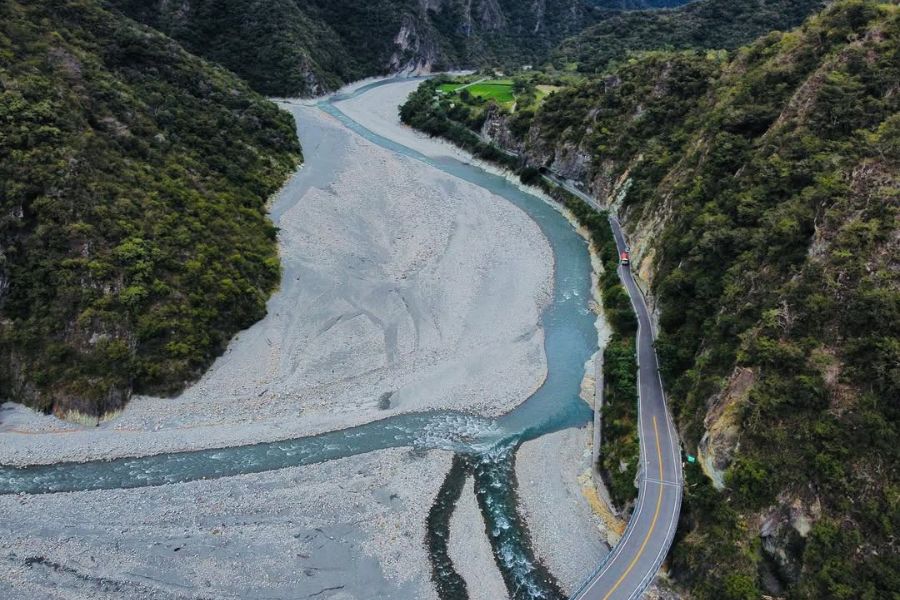
(Photo credit: @outdoor_ben_2001)
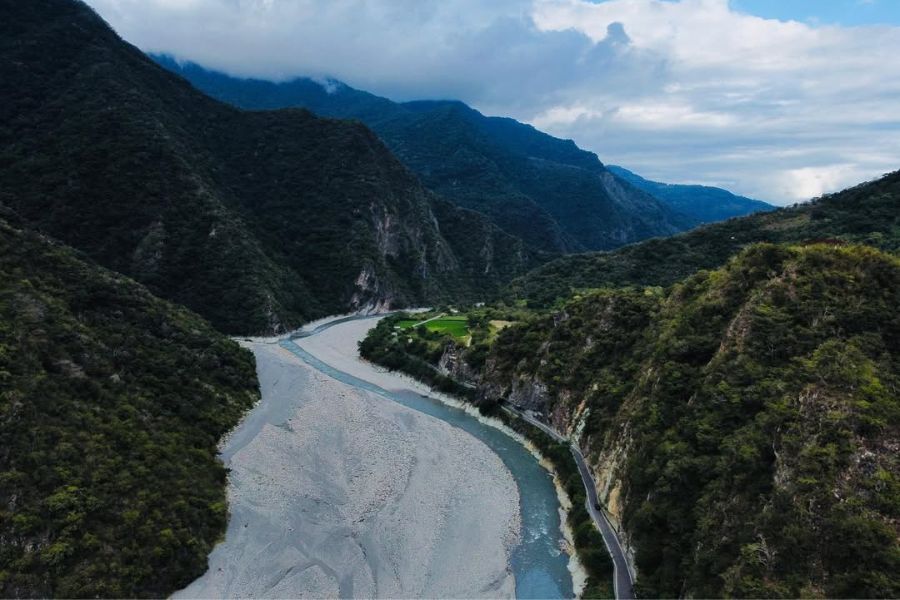
(Photo credit: @outdoor_ben_2001)
Conservation Begins with a Drop
Since 1995, the Taitung County Government has partnered with research institutions to conduct ecological surveys and build a comprehensive species database. The Haiduan Township Office employs full-time river patrol staff and holds regular meetings to ensure natural river habitats—from deep pools to rapids—remain undisturbed. Environmental education programs raise awareness about river ecology, and in 2021, a coastal biodiversity survey recorded 709 species across 141 families, establishing a more complete ecological network.
Rebirth Among the Waves
The Fushan coastline, once damaged by overfishing, was declared a no-fishing zone in 2005. After 15 years of restoration, it has become one of the richest intertidal ecosystems along Taiwan’s east coast. Marine life such as juvenile reef fish, jellyfish, cowries, and white-lined shore crab (Grapsus albolineatus) can now be observed. Since 2018, the Taitung Fishermen’s Association has managed the area with visitor quotas and entrance fees. A ban on walking in intertidal zones began in 2019, followed by a fish-feeding prohibition in 2020. Tourist visits increased from 190,000 in 2018 to 370,000 in 2020, showing growing ecological awareness.
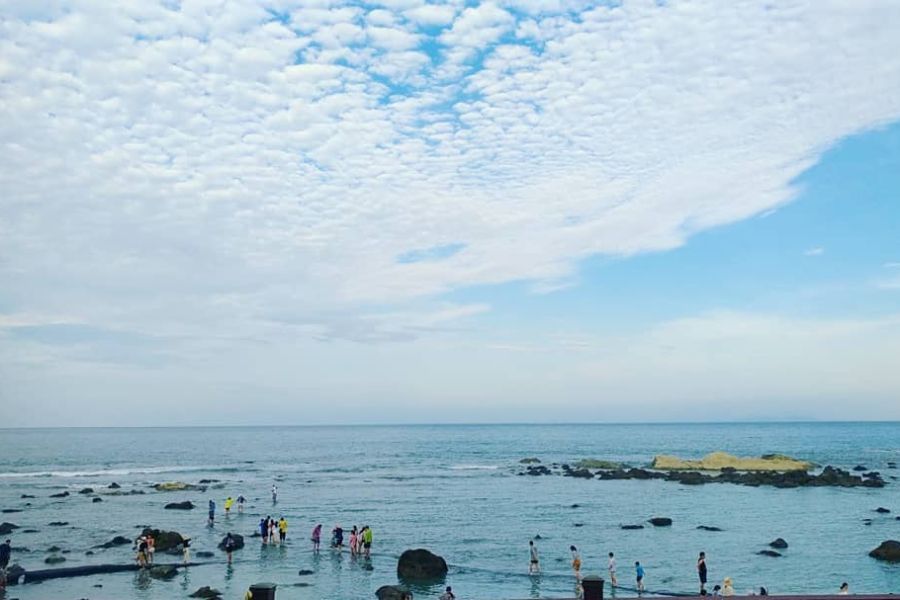
(Photo credit: @superbian.1104)
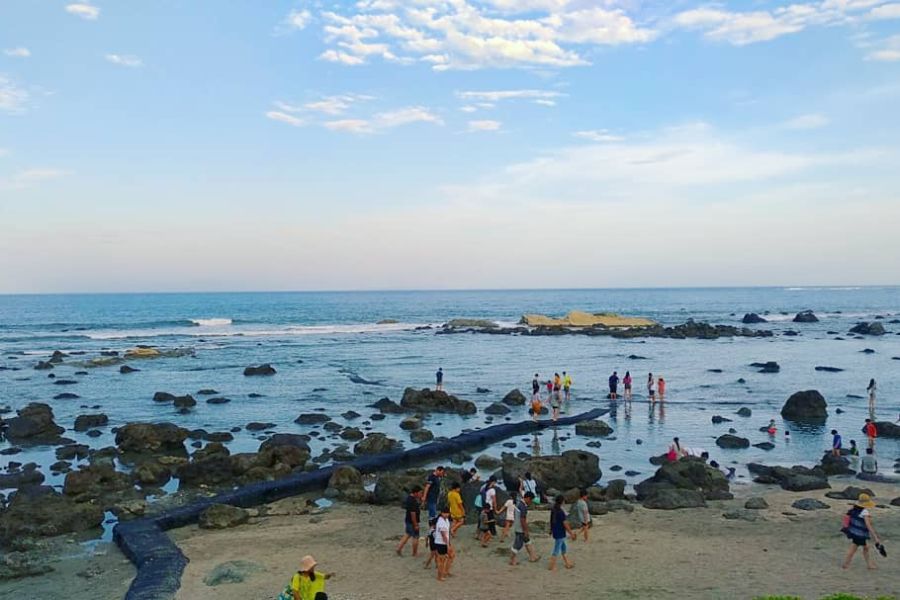
(Photo credit: @superbian.1104)
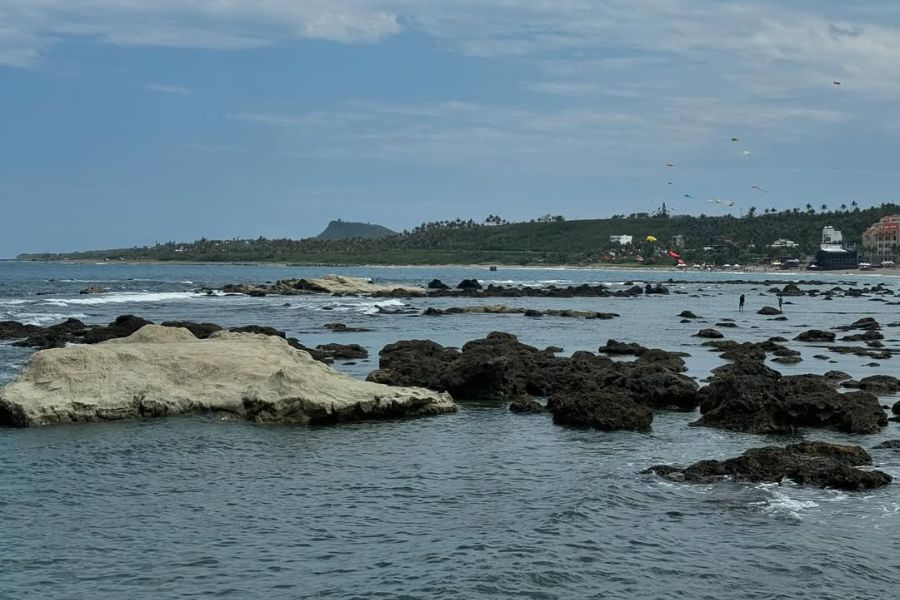
(Photo credit: @chickuotang_official)
Cultural Notes from the Tides
The Fushan Fisheries Resource Conservation Area trains local residents as eco-guides. In 2021, Amis culture workers were invited to share traditional intertidal foraging knowledge. Paid guided tours allow visitors to learn how indigenous people live in harmony with the sea—understanding traditional methods of reading tides and using gathering tools. This blend of cultural and ecological education turns the ocean into a living classroom where heritage and sustainability coexist.
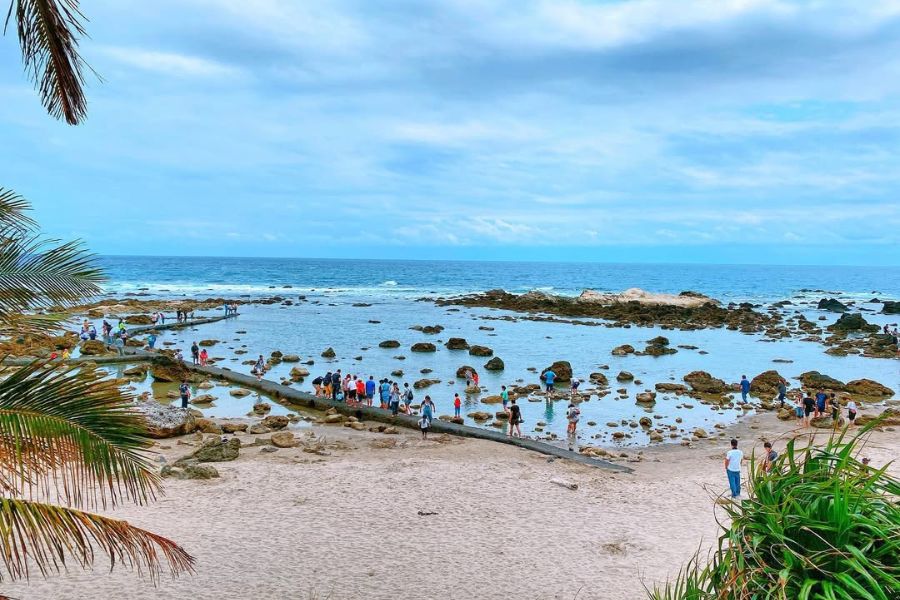
(Photo credit: @emma_625u)
Sustainability in Action
From the Xinwulu River to the Fushan coastline, Taitung has built a complete aquatic conservation network. Fishery resources outside the protected zones have gradually recovered, providing both ecological and economic benefits. Through science, community participation, and cultural continuity, conservation has become part of daily life—linking mountains to the sea, and ensuring that future generations inherit clean rivers and abundant oceans.
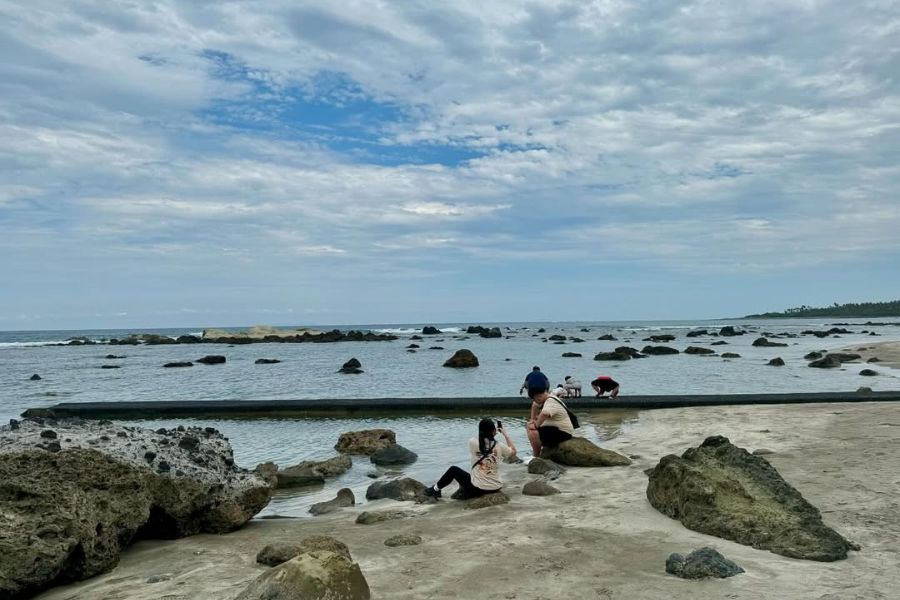
(Photo credit: @sarina.chou)
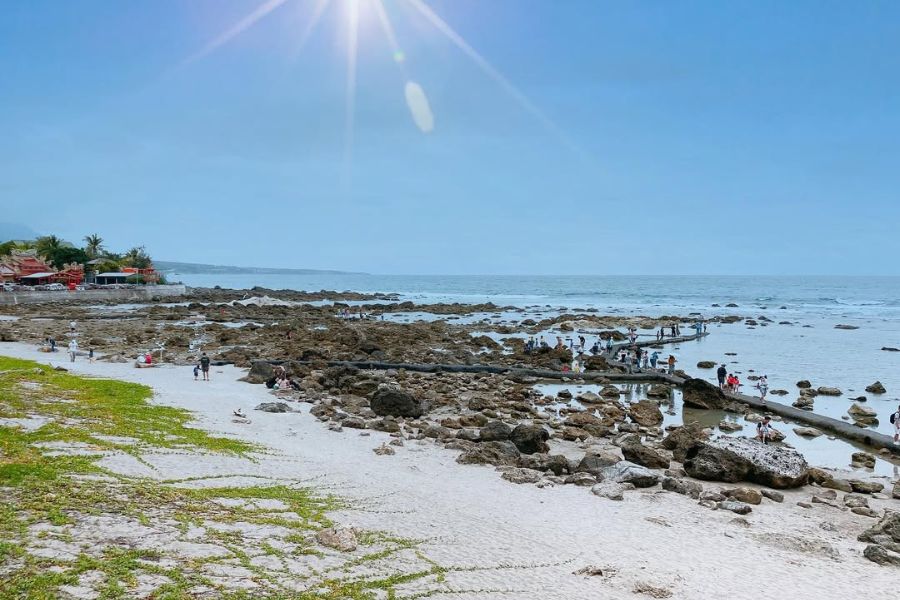
(Photo credit: @emma_625u)
