


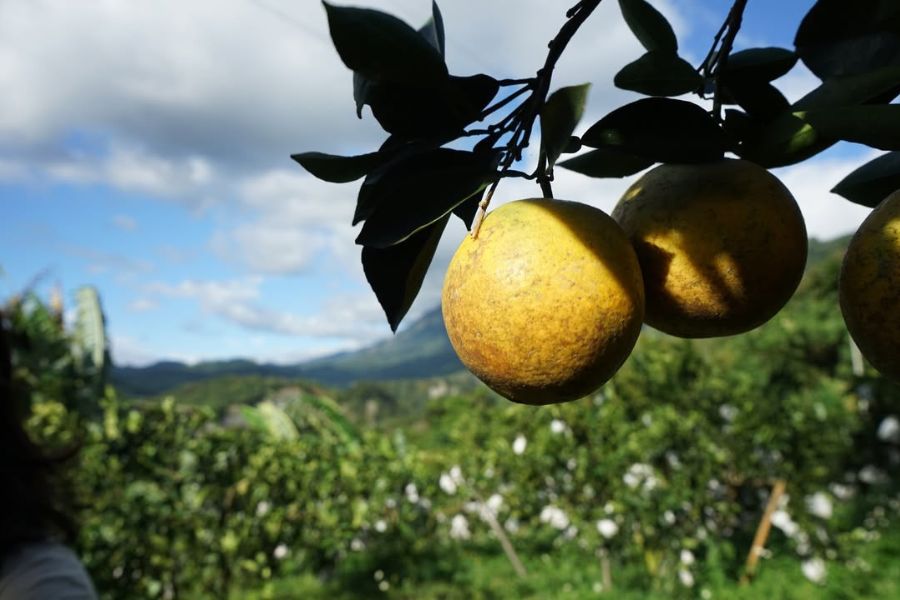
Every November, as the northeast monsoon sweeps along Taitung’s coast, the navel oranges turn a rich golden hue. Originally from 1920s Brazil and introduced to Taiwan during the Japanese era, this rare fruit found its perfect home in Chenggong Township and Donghe Township.
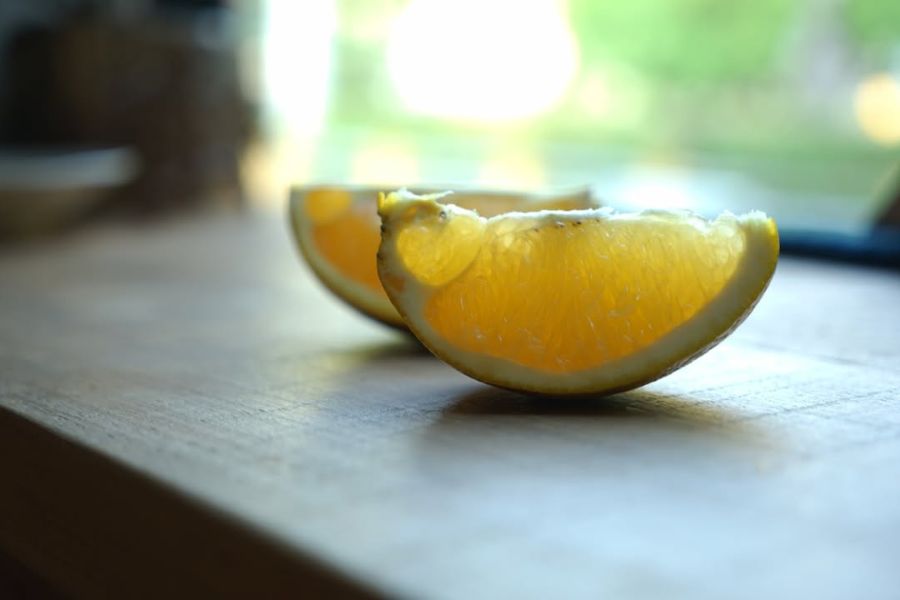
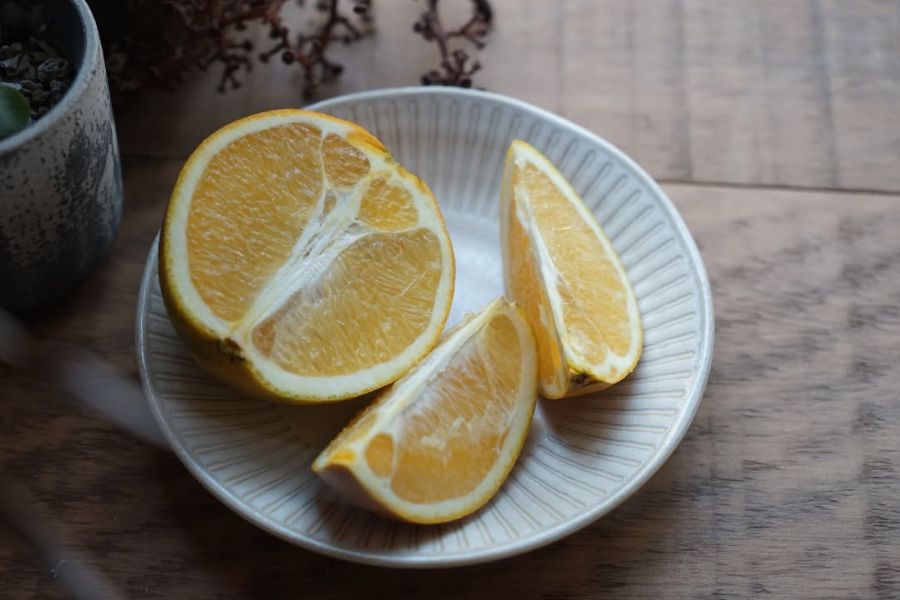
The orchards of Kanzai Hill—a historic citrus-growing area in Chenggong with over 90 years of cultivation—benefit from a Mediterranean-like climate and large day-night temperature differences. These conditions produce oranges with a sugar level of 12–13° Brix and acidity of just 0.5–0.8%. Each fruit, weighing about 200–250 grams, features a small secondary fruit forming the distinct “navel.” The seedless, soft, and juicy pulp has earned it the reputation as the “Rolls-Royce of citrus.”
(Photo credit: @chickuotang_official)
A Five-Year Wait for Sweetness
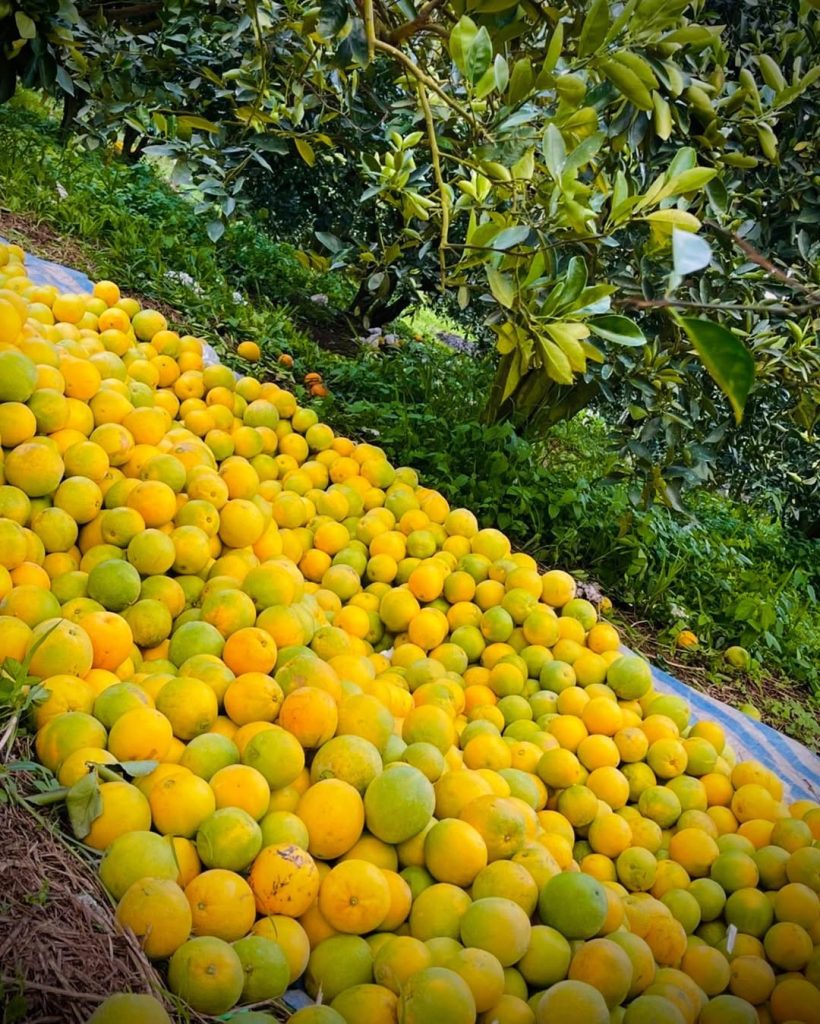
Navel orange trees require at least five years before the first harvest and reach their prime flavor after seven to eight years. Some orchards even preserve trees over a decade old. From September, farmers begin the bagging process to protect the fruit as sugar levels rise, carefully avoiding damage from typhoons or excessive rain. The harvest season runs only from November to January, and limited quantities are often preordered by locals before reaching other markets.
(Photo credit: @yiplay1205)
(Photo credit: @chickuotang_official)
From Timber Merchant to Citrus Master
Chang Hsu-Ping, once the owner of a timber factory in Pingtung, moved to Chenggong Township in 1982 to grow Valencia oranges after the decline of the forestry industry. Facing inconsistent seedling quality and the threat of citrus greening disease, he and his wife Hsiao Chun-Lien decided to graft and cultivate their own trees.
In 1999, under the guidance of the Provincial Department of Agriculture and Forestry, they established the Taitung Chenggong Citrus Healthy Seedling Farm, one of only two high-quality citrus nurseries in Taiwan, cultivating navel oranges, Valencia oranges, sugar tangerines, lemons, pomelos and others.
(Photo credit: @chickuotang_official)
Innovation in Seedling Cultivation
The nursery replaced traditional bare-root seedlings with potted ones, using a soil mix of peat, perlite, and vermiculite to prevent pests and diseases. Hsiao Chun-Lien grafts about 500 seedlings daily, embedding healthy scions purchased from the Chiayi Branch of the Taiwan Agricultural Research Institute onto rootstocks, sealing them carefully with wax film.
Supported by the Taitung County Government and the Agricultural Research and Extension Station, and nourished by Chenggong’s pure water and magnesium-rich limestone soil, the nursery produces consistently strong and healthy plants—attracting farmers from across Taiwan.
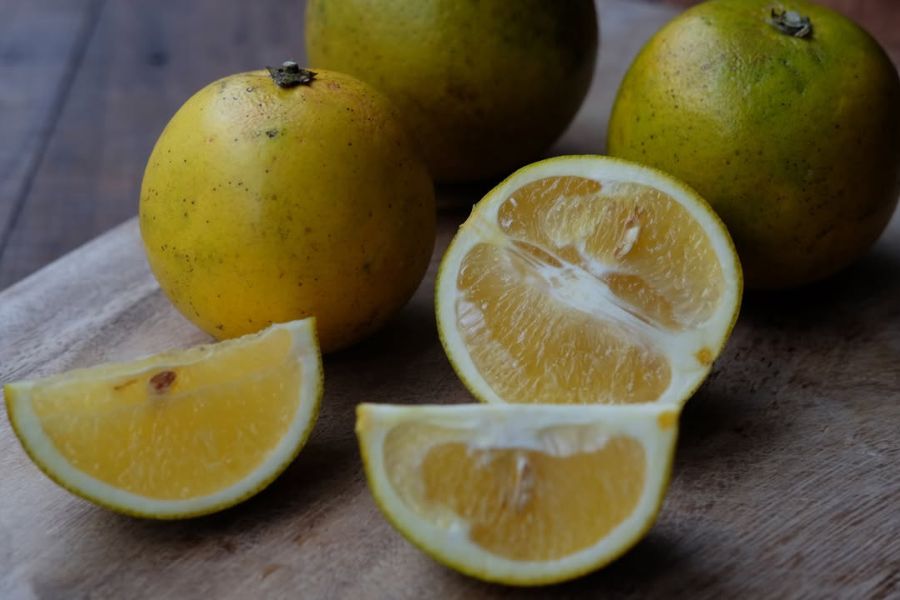
(Photo credit: @chickuotang_official)
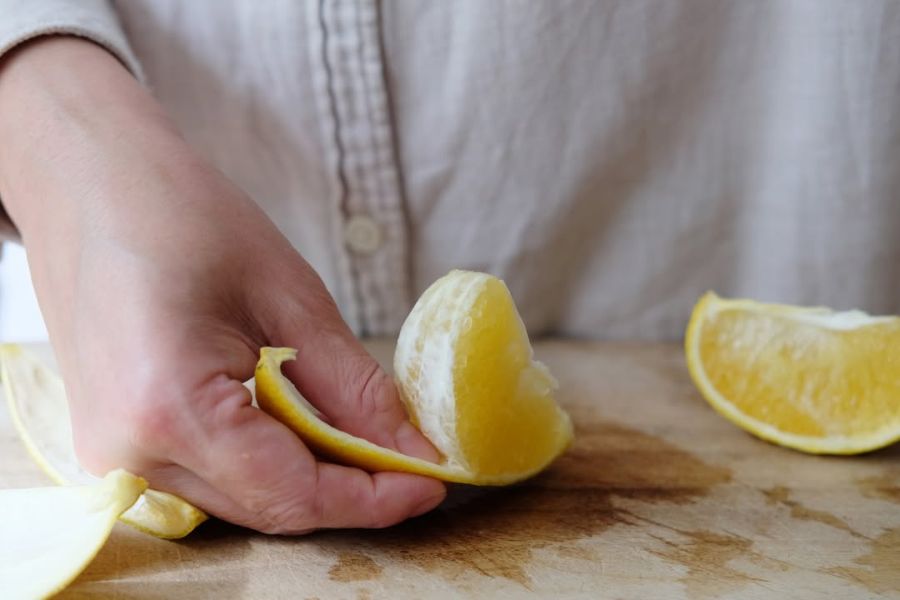
(Photo credit: @chickuotang_official)
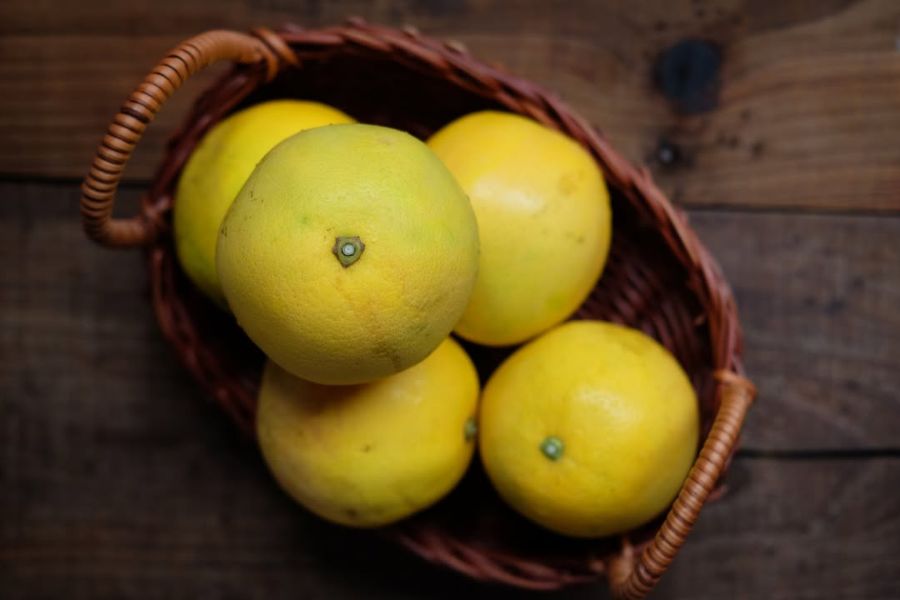
(Photo credit: @chickuotang_official)
The Legacy of Kanzai Hill Continues
Kanzai Hill has endured for more than six decades, its story still unfolding.
From Sugihara Sangyo Co., Ltd. establishing Shinko Farm in 1938, to the Taitung Agricultural Research and Extension Station confirming in 1949 that the area was ideal for citrus cultivation, the Taitung County Government continued to promote development through the 1950s.
Today, even the youngest member of the citrus production group is 48 years old, yet through innovation and unwavering dedication to quality, the craftsmanship and agricultural spirit of Taitung continue to be passed down from generation to generation.
