


Renowned for its rice and picturesque rural landscapes, Chishang is a cyclist’s dream, with the expansive fields of Mr. Brown Avenue offering a scenic backdrop for leisurely rides. The township seamlessly integrates agriculture with artistic expression, as seen in the Chishang Barn Art Museum and the Chishang Autumn Rice Harvest Festival, held every October. Travelers can also savor the Chishang Lunchbox, a symbol of the region’s rice culture, offering a taste of authentic Taitung flavors.
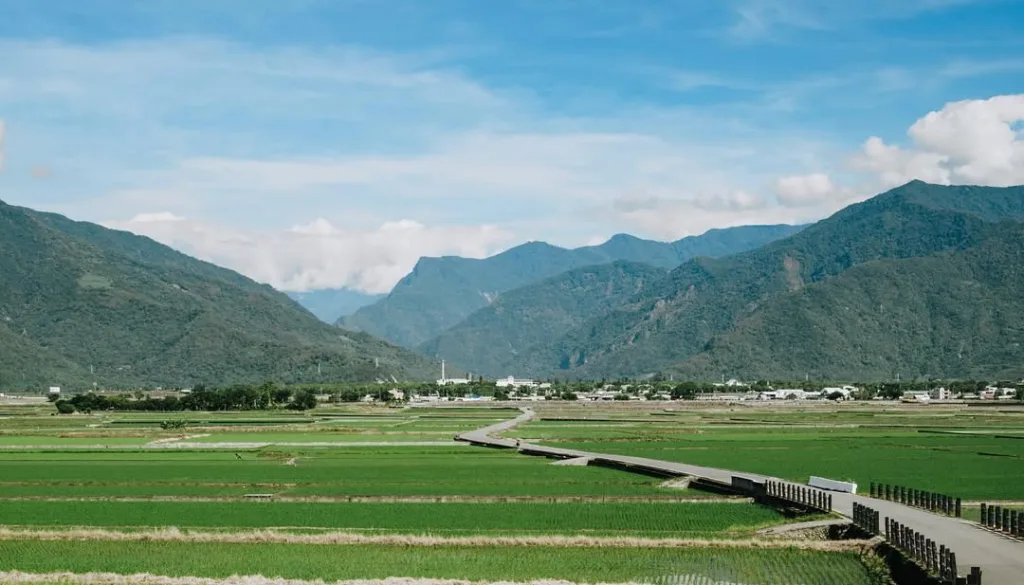
(Photo credit: @biboooo875)
Where Stories of the Land Continue Among Rice Fields and Memories
The story of Chishang begins with a settlement that formed by Dapo Pond, which was once the largest natural inland body of water in eastern Taiwan. The lake nurtured a rich ecosystem and shaped a way of life rooted in coexistence with the water. In earlier times, locals fished from bamboo rafts to sustain themselves. Today, the Bamboo Raft Festival revives local memories while keeping the traditional connection to water alive.
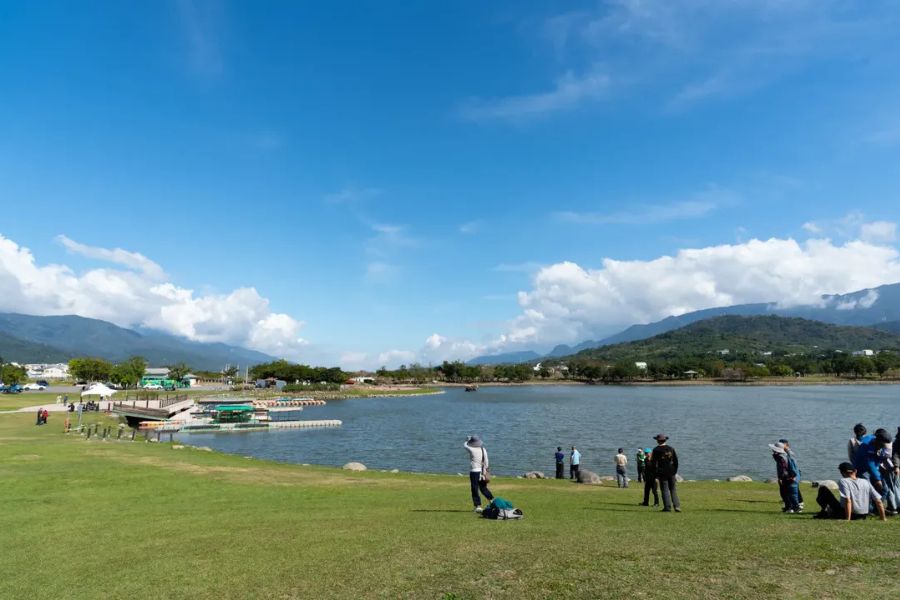
(Photo credit: @ashi.graph)
From the Qing-era development of the Xinkaiyuan settlement to the Japanese-period agricultural organization and urban planning, and then to the postwar integration of diverse communities, Chishang has traced a unique historical path. Farmland here is more than a site of production—it is a vessel of culture. The old fields still bear traces of cultivation from long ago, a quiet, poetic testament to daily life shaped by symbiotic cooperation between people and nature.

(Photo credit: @sy_tai00)
Chishang’s cultural character lies not in lively spectacle but among its mountain silhouettes and rice fields. Life here moves in harmony with the seasons, and culture grows from the land itself. Aside from sightseeing, visiting Chishang is about stepping into profound memories of time, the landscape, and humanity.
Chishang Flavors Beyond a Bowl of Rice
Chishang’s exceptional natural environment has nurtured high-quality rice known across Taiwan, while also giving rise to a rich and diverse agricultural culture. Clean water from the Central Mountain Range and the Coastal Mountain Range irrigates the wide fields, allowing the rice to grow slowly through the changing seasons. This gives Chishang rice its full aroma and delicate texture.
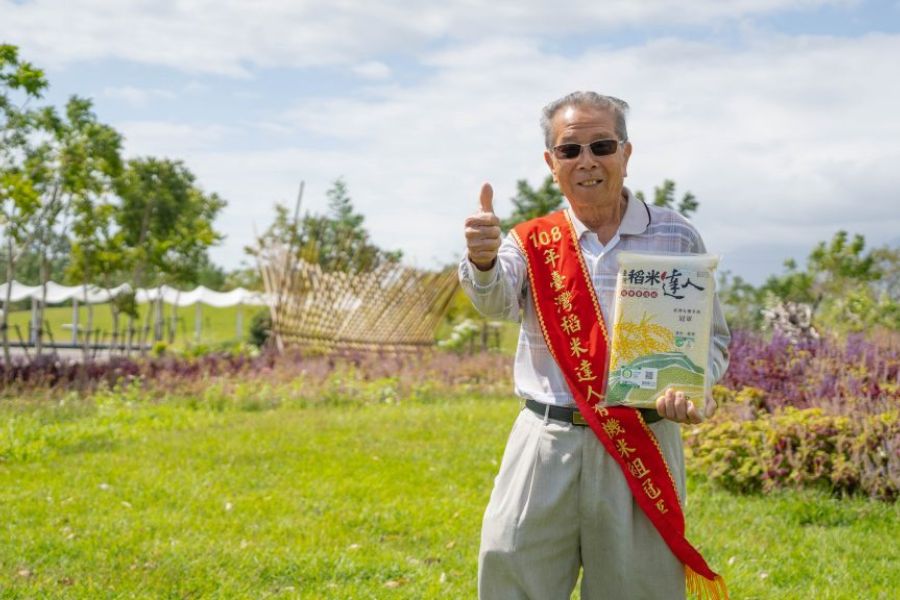
(Photo credit: Chishang Farmers’ Association)
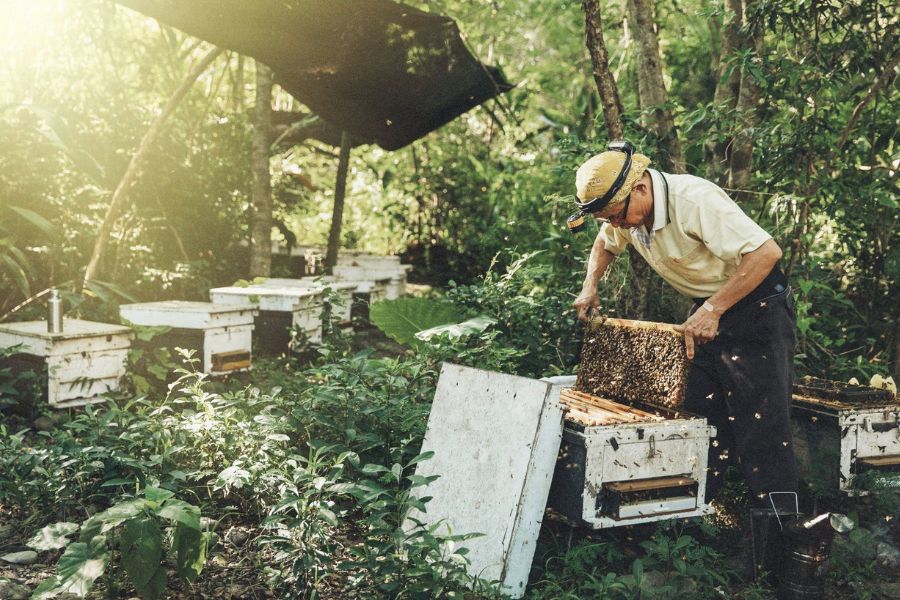
(Photo credit: Chishang Happy Honey Bee Farm)
Beyond rice cultivation, Chishang is also known for honey, seasonal fruits and vegetables, and a variety of processed agricultural products. In recent years, many farmers have adopted eco-friendly farming and ecological conservation practices. By reducing the use of chemical pesticides and fertilizers, they help protect the ecology of the fields, allowing agriculture and nature to coexist and thrive together. Walking through the fields, it is common to see birds resting and insects moving between the crops, revealing the richness of the local ecosystem.
From farmland to the dining table, Chishang’s agricultural products represent not only the abundance of the land, but also farmers’ commitment to quality and respect for the environment. Every flavor from Chishang carries the purity of the East Longitudinal Valley and the farming wisdom that has accumulated over time.
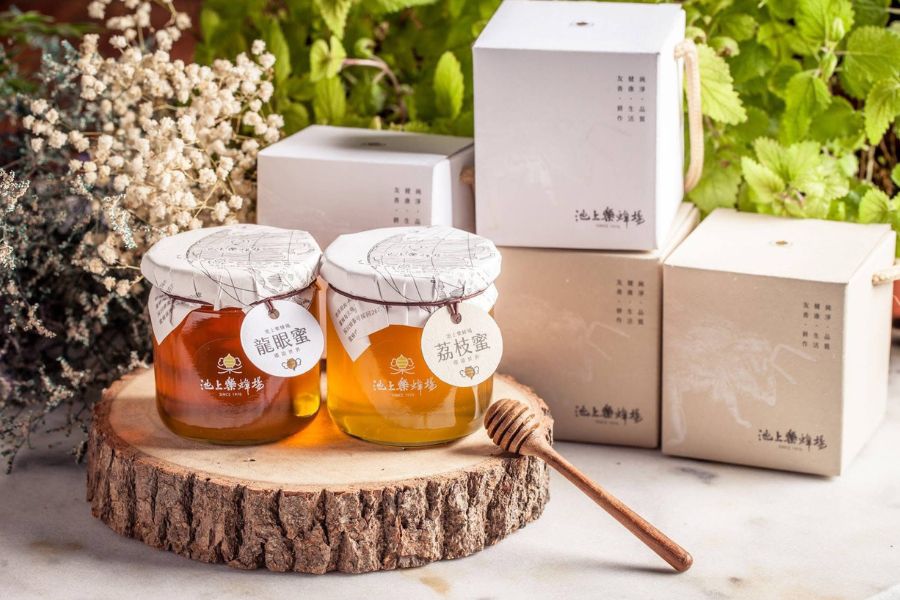
(Photo credit: Chishang Happy Honey Bee Farm)
